Did You Know?
Cacao trees only grow within about 20 degrees of the equator, so nearly all the world's raw chocolate starts its journey in a handful of tropical countries before it ever reaches a chocolatier's kitchen.
The Numbers Behind the Career
About 24,200 openings for food batchmakers are projected each year over the next decade.
In 2025, there were about 176,800 foot batchmaker jobs in the U.S.
The median annual salary for food batchmakers was $42,290 as of May 2025.
Where This Career Is Headed
Chocolate making is being shaped by growing interest in ethically sourced, bean-to-bar chocolate, along with rising demand for health-conscious and allergen-friendly treats. Automation now handles much of large-scale candy production, but that shift is actually pushing demand toward small-batch. These artisan chocolatiers offer something a machine cannot: distinct flavor, story, and craftsmanship. At the same time, climate change is pressuring cacao-growing regions, raising costs and pushing the industry toward more sustainable farming partnerships. Over the next decade, chocolatiers who combine traditional technique with transparency about sourcing and a willingness to experiment with new flavors are likely to stand out.
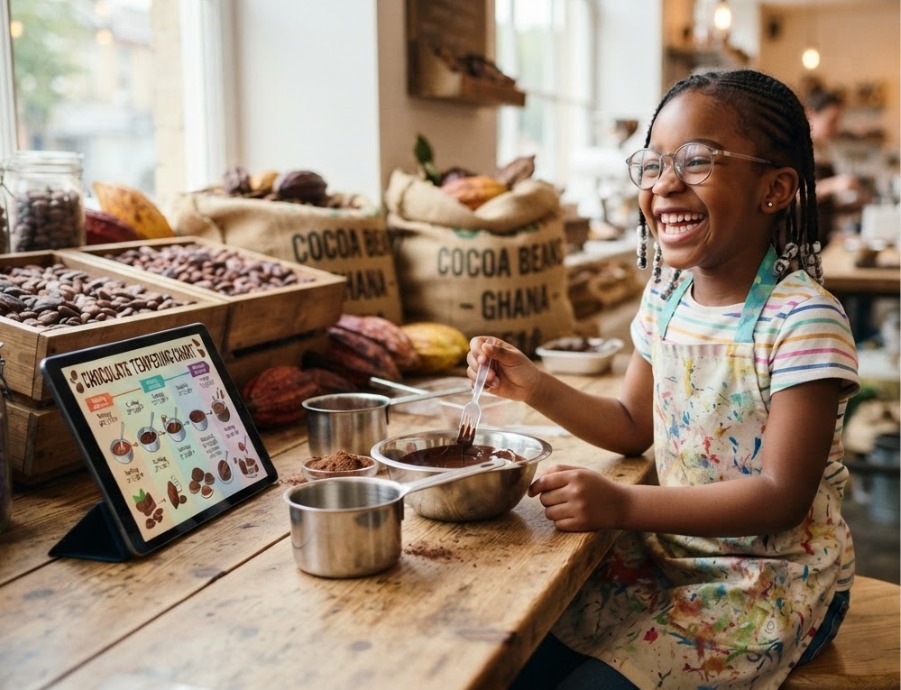
Growing demand for ethically sourced, single-origin chocolate is creating openings for chocolatiers who build direct relationships with cacao farmers.
Interest in vegan, allergen-friendly, and lower-sugar treats is opening new product lines for chocolatiers willing to experiment with alternative ingredients.
Social media and online sales are making it easier for small chocolate shops to reach customers well beyond their local area.
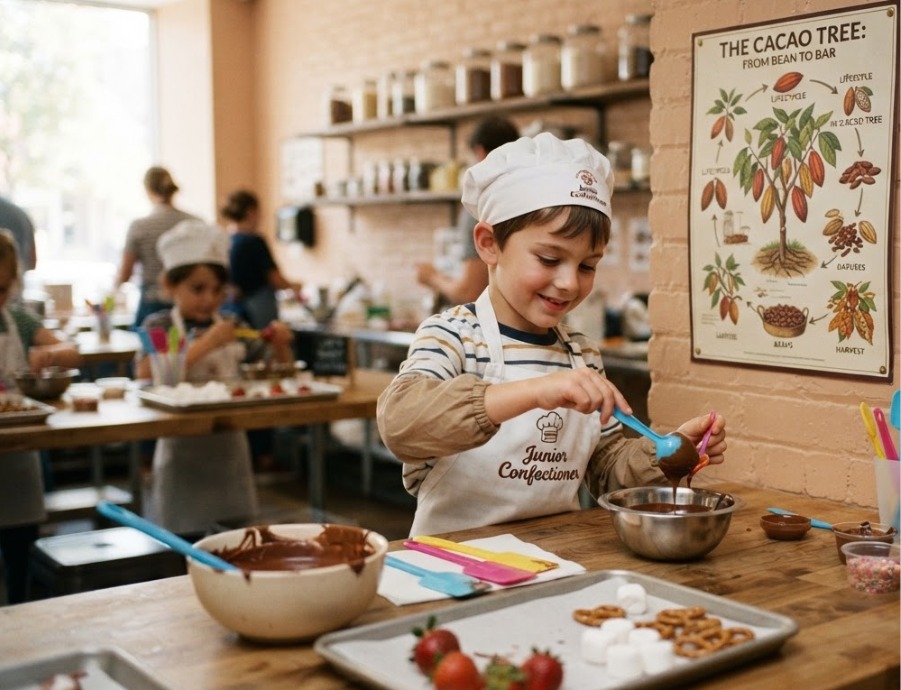
Education & Certification
Most chocolatiers do not need a four-year college degree, though many complete a certificate or diploma program in pastry arts, culinary arts, or chocolate and confectionery work at a culinary school. These programs typically last a few months to two years and cover topics like tempering, ganache making, mold work, and food safety. Many chocolatiers also learn through apprenticeships or by working their way up in a bakery, candy shop, or restaurant kitchen, gaining hands-on experience alongside any formal training. A food handler's or food safety certification is commonly required to work professionally in a commercial kitchen.
Formal certification is not required to call yourself a chocolatier, but a few optional credentials can help demonstrate skill. The American Culinary Federation offers certifications for pastry cooks and pastry chefs, and some culinary schools and chocolate companies run programs focused entirely on chocolate and confectionery. These credentials are not mandatory, but they can help a chocolatier stand out when applying for jobs or starting a business.
To Prepare...
Take classes in chemistry, culinary arts, or family and consumer science if your school offers them, since understanding heat and ingredients is central to the craft.
Practice basic baking and candy making at home to build comfort with kitchen tools, measuring, and following recipes precisely.
Look for a local bakery, candy shop, or culinary program that offers classes, camps, or volunteer opportunities for students interested in food careers.