
Did You Know?
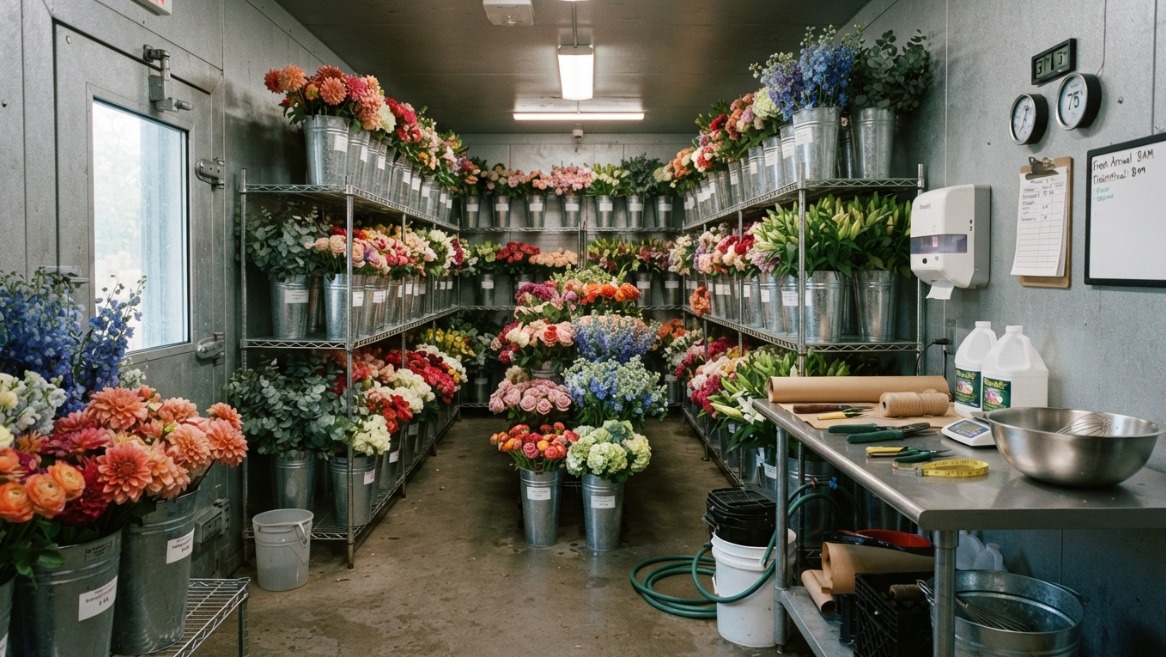
Anna Jarvis, who started Mother's Day in 1908, asked people to wear a carnation, her mother's favorite flower. When carnation prices shot up, she was so upset with florists and candy makers that she made a button the holiday's official emblem instead.
What Florists Really Do
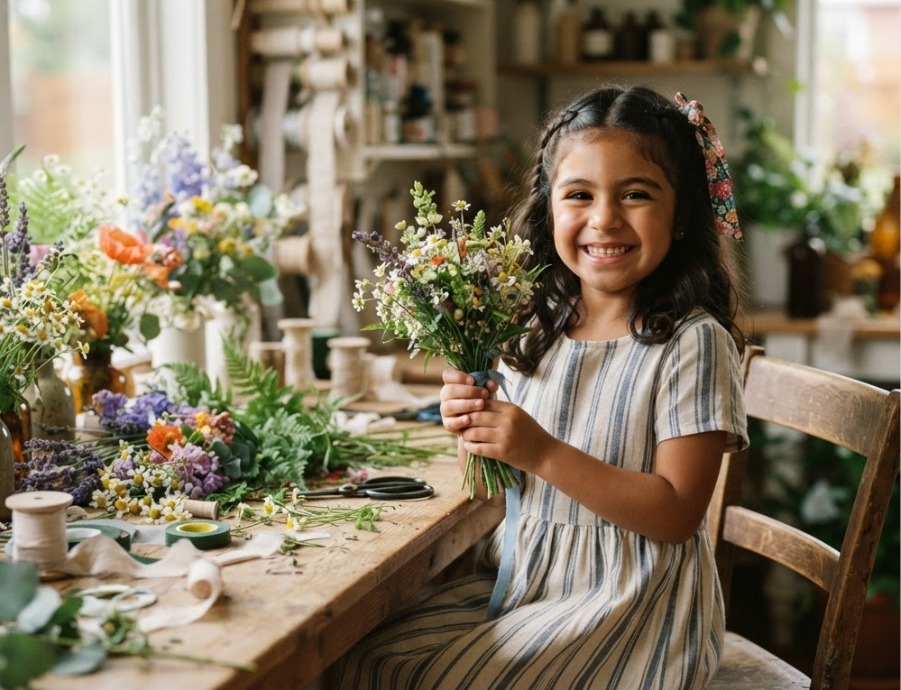
A bucket of bright pink peonies just arrived at your flower shop. You pull each stem out of the water, trim the bottom at an angle, and tuck it into a glass vase alongside roses and greenery. The customer asked for something colorful and happy. You step back, turn the vase slowly, and move one stem a little to the left until the whole thing looks balanced from every side.
Florists arrange flowers for all kinds of moments, from birthdays and holidays to weddings and "just because." They learn the names of many flowers, which ones last the longest in water, and which colors and shapes look good together. They also talk with customers to figure out exactly what they want, and sometimes they deliver the finished arrangement themselves. Florists spend much of the day on their feet, working with their hands in cold water, and they often start early so the shop is ready when the first customer walks in. If you like mixing colors, working with your hands, and making people smile, you might already be thinking like a florist.
You Might Love This If...
Skills That Follow You Everywhere
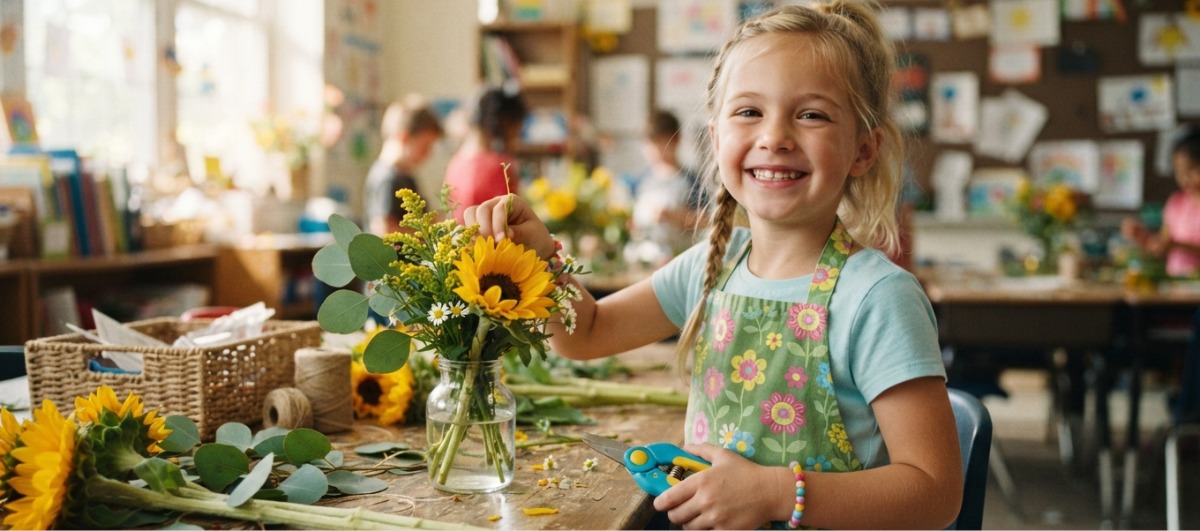
Florists build skills that reach well beyond the flower shop. They learn to listen closely to what someone truly wants, to adjust a design when the plan changes, and to work with a team under tight deadlines. These abilities are valuable in any career where creativity meets real-world problem-solving.
Adaptability
Flowers are living things, and they do not always cooperate. A shipment arrives wilted, a couple changes their color scheme a week before the wedding, or a snowstorm delays a delivery. Florists learn to swap one bloom for another, rethink a design on the spot, and stay calm when the plan shifts. Being flexible is how they still deliver something beautiful when things do not go as expected.
Creativity
Every arrangement is a small work of art. Florists combine colors, shapes, and textures to create something new, and they do it differently each time because no two batches of flowers are exactly alike. Sometimes the best ideas come from experimenting with an unexpected bloom or a container nobody else would think to use.
Communication
Florists talk with customers who may not know the names of the flowers they want, so they learn to ask the right questions and turn feelings like "something elegant but not too formal" into a finished arrangement. They also coordinate with event planners, delivery drivers, and wholesalers, giving clear directions so every detail comes together. Good communication turns a vague idea into something a customer loves.