Did You Know?
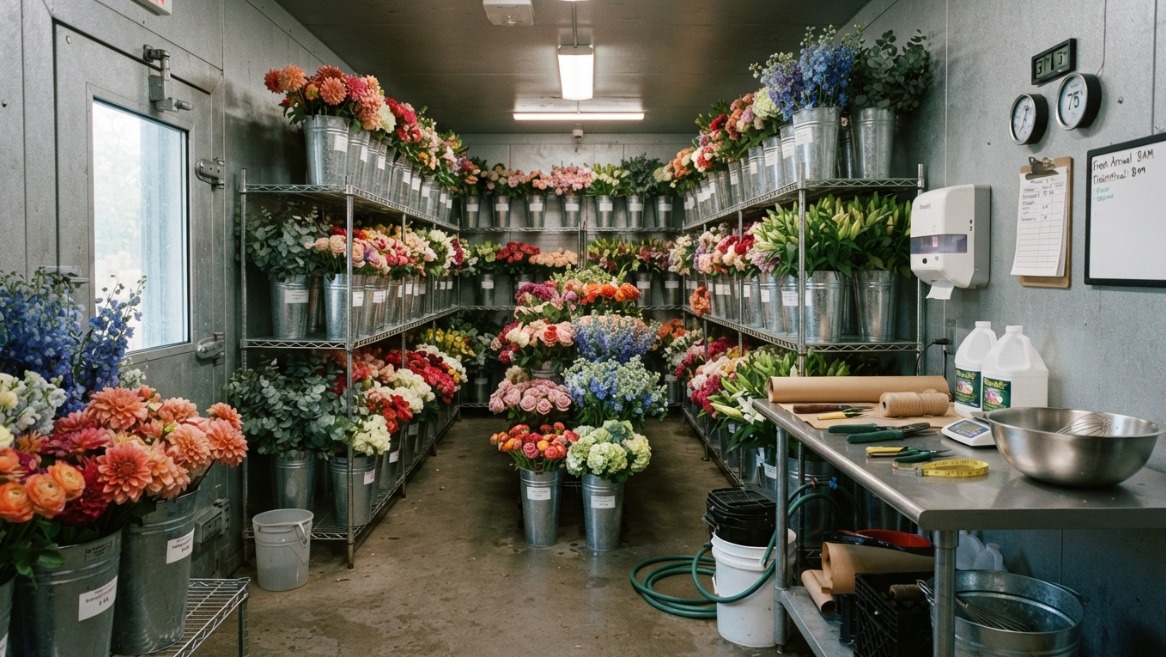
Anna Jarvis, who started Mother's Day in 1908, asked people to wear a carnation, her mother's favorite flower. When carnation prices shot up, she was so upset with florists and candy makers that she made a button the holiday's official emblem instead.
The Numbers Behind the Career
There were about 45,200 floral designers in the U.S. in 2025.
About 5,200 floral designer job openings are projected each year over the next decade.
The median annual salary for floral designers in the U.S. in 2025 was $37,360.
Where This Career Is Headed
Over the next decade, florists will feel the push of changing customer tastes, unpredictable weather, and new technology. Many shoppers say locally grown flowers matter to them, and florists now have more choices for greener designs, like plant-based foam and foam-free techniques that use chicken wire or reusable metal flower frogs. Online ordering and social media keep changing how customers find and buy flowers, but the hands-on craft of arranging real flowers still depends on a skilled person. Droughts, floods, and other unusual weather in major growing regions can also change which blooms are available and what they cost, so florists will need to stay flexible about what they can get and when.
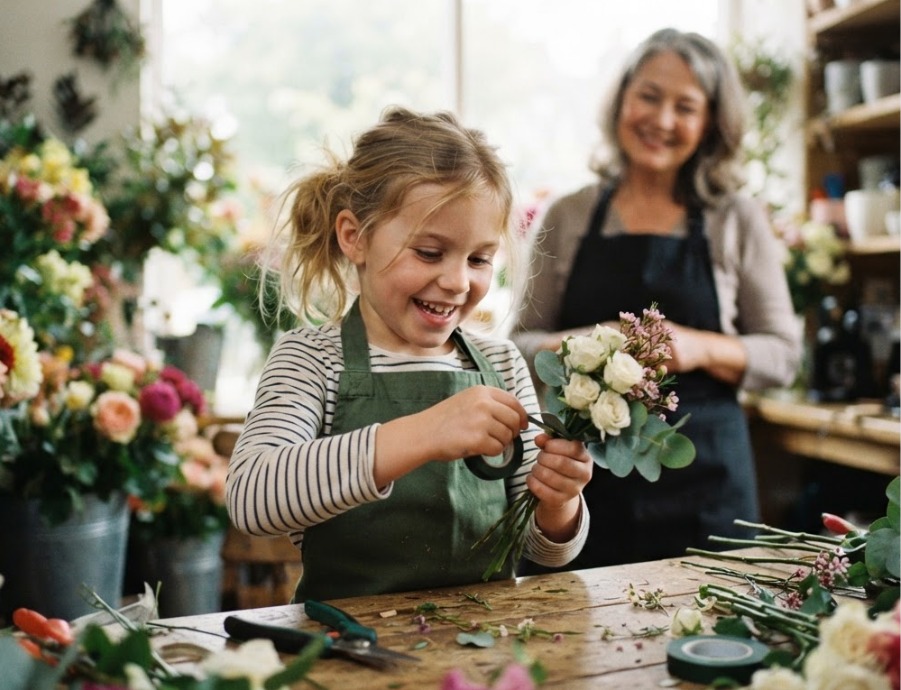
Surveys show that many customers value locally grown and sustainably sourced flowers, and about half say they are willing to pay more for eco-friendly floral products, which creates opportunities for florists who specialize in them.
Social media platforms like Instagram and TikTok let florists show their work to customers far beyond their neighborhood, helping a small shop build a recognizable style.
Event work, from weddings to company celebrations and pop-up installations, gives creative florists a way to take on large, eye-catching projects.
Education & Certification
Most florists learn their skills on the job by working alongside experienced designers in flower shops, studios, or event companies, and they usually start with a high school diploma. No college degree is required, which makes floristry one of the more accessible creative careers to enter. Some florists complete certificate programs or associate degrees in floral design at community colleges or design schools, where they study topics like color, plant care, and business basics. Others take courses or attend events offered by organizations like the American Institute of Floral Designers (AIFD).
No state requires florists to pass a licensing exam, though some places require a business permit to sell flowers. Florists who want to show their skill can earn the voluntary Certified Floral Designer (CFD) credential from AIFD, which involves passing a written test and demonstrating design skill through approved coursework or a hands-on evaluation.
To Prepare...
Take art classes that cover color and composition, and look for any botany or horticulture electives your school offers, since both build the knowledge florists use every day.
Visit a local flower shop with a parent or guardian and ask whether they offer part-time work, summer jobs, or a chance to shadow a florist for a day, because most florists start with hands-on experience.
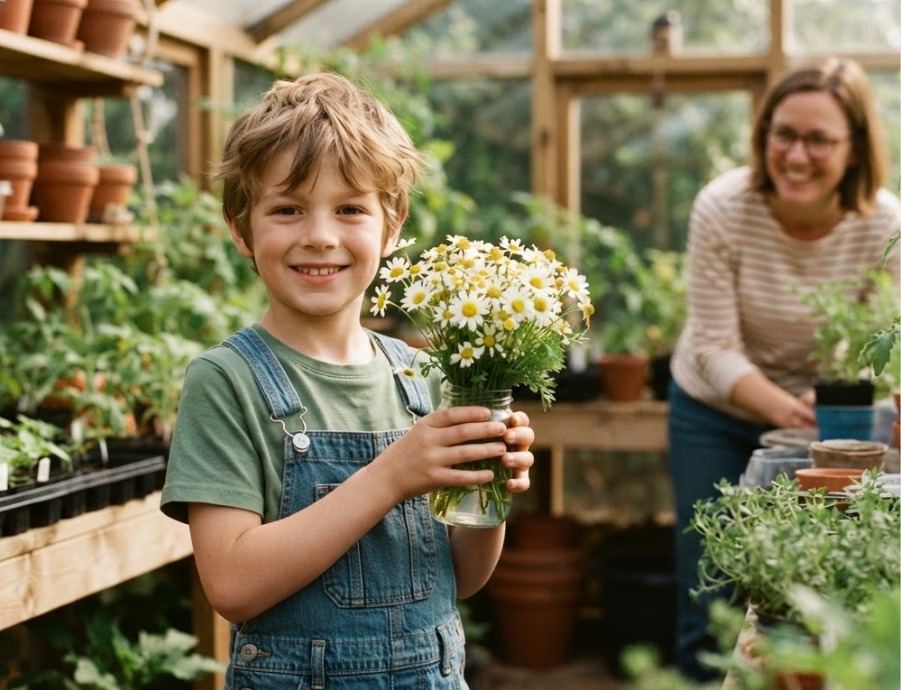
Start a small garden at home or at school to learn what plants need to thrive, and practice arranging what you grow in jars or vases to build your eye for design.