
Did You Know?
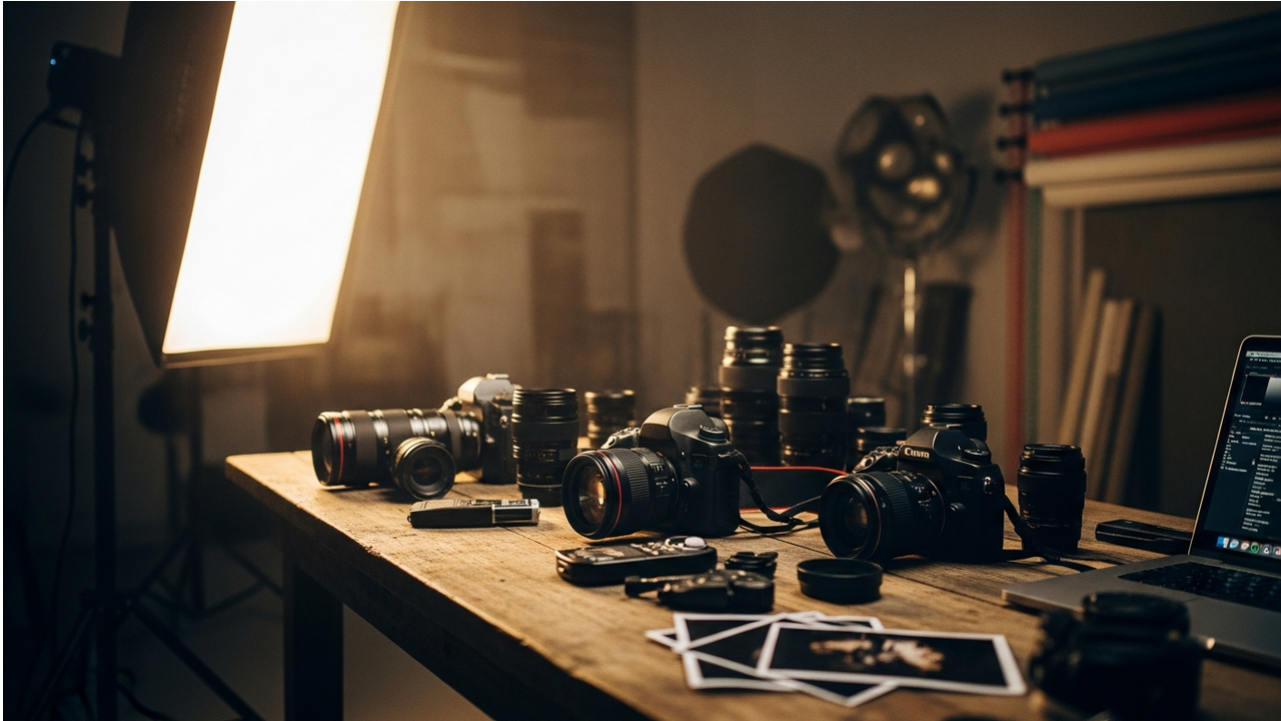
Astronauts aboard the International Space Station have taken more than five million photographs of Earth since the year 2000. Their images have helped scientists track hurricanes, monitor deforestation, and study the effects of climate change from a perspective no one on the ground can match.
What Photographers Really Do
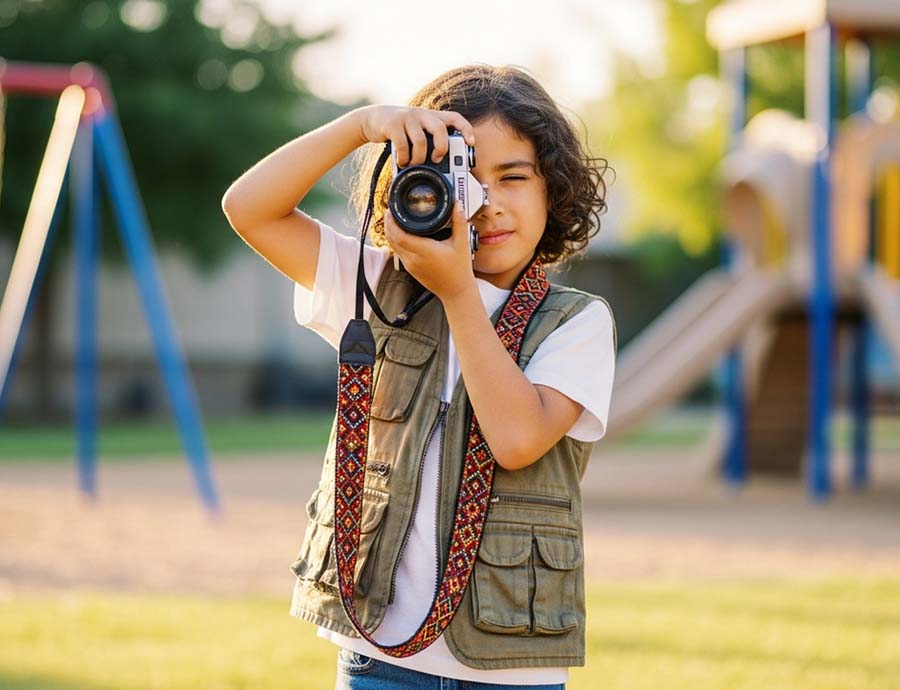
Imagine carrying a camera into a beautiful park on a sunny morning. The light filters through the trees, and a family of ducks is gliding across a pond. You crouch down low to get closer to the water, hold the camera steady, and wait. The moment a duckling flaps its tiny wings, you press the button. Click. You check the screen and smile because you captured something special that will never happen exactly the same way again. That is what a photographer does every day: they use a camera to freeze a moment in time so other people can see and experience it.
Photographers work in many different settings. Some take photos at weddings, helping families remember the happiest day of their lives. Others work for newspapers, traveling to events and taking photos to accompany stories you read. Some shoot food for restaurant menus, animals for nature magazines, or products for online ads. No two days are exactly alike. A photographer might spend one morning in a bright studio setting up lights and backdrops for a portrait session, then spend the next afternoon outside in the rain trying to capture a perfect shot of a city skyline. Wherever they go, photographers observe the world carefully, noticing colors, shapes, and moments that others might overlook.
You Might Love This If...
Skills That Follow You Everywhere
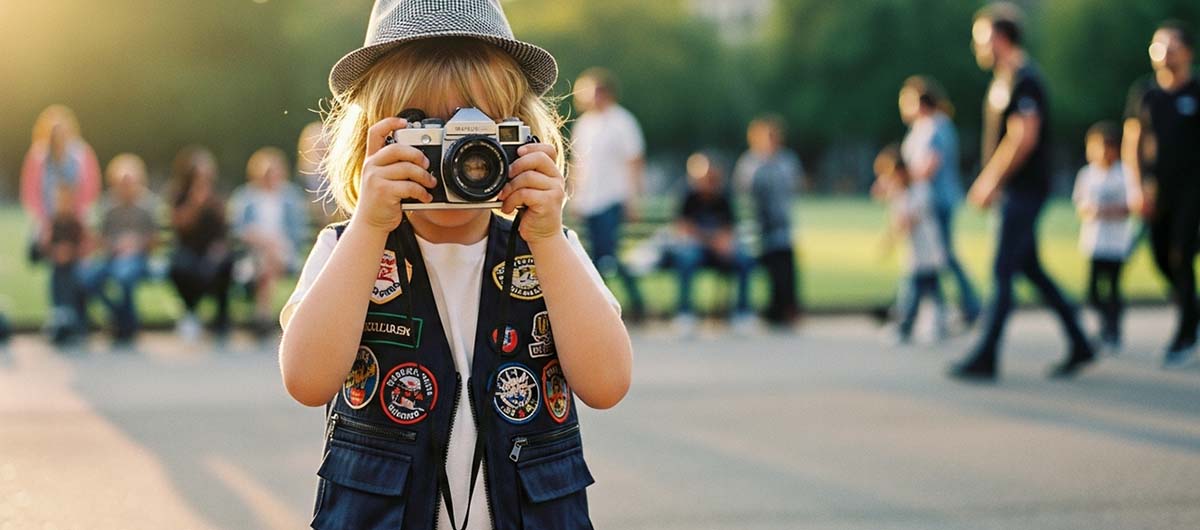
Being a photographer helps you develop important skills that are useful in many different careers, like creativity, communication, and adaptability. Photographers learn how to observe the world with care, manage complex technical equipment, solve problems on the fly, work with a wide range of people, and deliver polished visual work under tight deadlines.
Adaptability
A photographer uses adaptability when the weather changes mid-shoot, a venue looks different than expected, equipment malfunctions, or a subject is uncomfortable in front of the camera. The ability to adjust lighting, reframe compositions, switch lenses, and pivot to a new plan without losing the quality of the work is one of the most important skills a professional photographer can develop.
Creativity
A photographer uses creativity every time they frame a shot, choose a perspective, or decide how to use light to tell a story. Whether designing a studio setup for a product shoot, finding an unexpected angle at a wedding, or experimenting with long exposures to capture motion, creative thinking is what transforms a technically correct image into one that captures attention and communicates meaning.
Communication
A photographer uses communication to understand what a client envisions, to direct and put subjects at ease during a shoot, and to present finished work in a way that meets the client’s goals. Portrait photographers guide families through poses. Commercial photographers collaborate with art directors on creative briefs. Every successful shoot depends on clear communication before, during, and after the camera comes out.
Explore more resources for a future Photographer

Humans of New York : Stories
Stanton, Brandon
Why We Picked It
Career Connection
Photographers who work in portraiture develop both the technical skill to capture a person at their most genuine and the human skill of listening as much as looking, and Stanton's career shows how combining both can produce work that changes how people see their neighbors.

Little Humans
Stanton, Brandon
Why We Picked It
Career Connection
Photographers who work with real people on streets and in communities develop a gift for seeing the humanity in fleeting moments, and Stanton's ability to stop a stranger and capture something true about them is the skill at the center of his entire career.

Ansel Adams: An Autobiography
Alinder, Mary Street | Adams, Ansel
Why We Picked It
Career Connection
Photographers develop both technical mastery of their equipment and a personal vision of what they want to say with it, and Adams's account of how those two things evolved together across sixty years of work is one of the most instructive artistic memoirs in the medium.