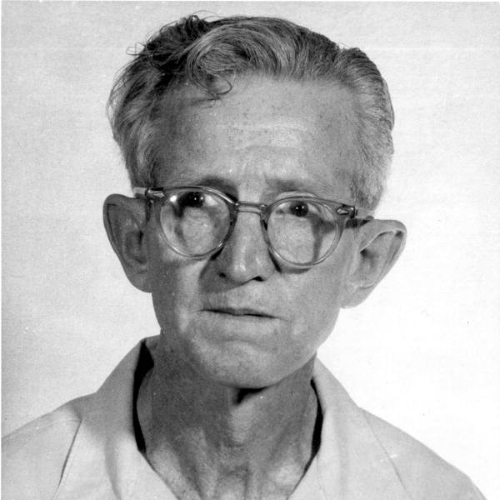
Did You Know?
For centuries, English courts used a special legal version of French, and English was not required in court until a law passed in 1731. That is why the U.S. Supreme Court still opens each session with the Marshal calling out “Oyez! Oyez! Oyez!” That old French word means “hear ye.”
The Numbers Behind the Career
The median annual salary for paralegals and legal assistants was $101,500 in 2025.
About 40,800 paralegal and legal assistant job openings are projected each year over the next decade.
There were about 404,900 people working as paralegals and legal assistants in the United States in 2025.
Where This Career Is Headed
The paralegal profession is changing as artificial intelligence and other legal technology take on more research and document review work. The Bureau of Labor Statistics expects these tools to make paralegals more efficient, which may limit demand for new paralegals, so total employment is projected to stay about the same through 2035. Even so, tens of thousands of openings are expected each year as paralegals retire or change careers. Paralegals who are comfortable learning new software, double-checking AI-generated work, and adapting quickly are likely to be best positioned for the changes ahead.

In Arizona, Minnesota, Oregon, and Utah, qualified paralegals can pursue a new limited license that lets them give legal advice and help clients directly in certain areas, such as family law or landlord-tenant cases.
Paralegals are not limited to law firms. In May 2025, paralegals working for the federal government and in finance and insurance earned the highest median pay among the industries that employ the most paralegals, more than $80,000 a year.
Flexible schedules are common in this career. In a 2024 national survey by NALA, The Paralegal Association, about 71 percent of paralegals reported some type of flexible work arrangement, such as hybrid or remote work.

Education & Certification
Many paralegals enter the field with an associate degree or certificate in paralegal studies. Some employers prefer a bachelor's degree, often in a subject such as social science or business, paired with a paralegal certificate, while others may hire candidates with a high school diploma and experience and train them on the job. Paralegal programs usually include courses in legal research, legal writing, and an introduction to law and the legal system, along with specific areas such as criminal, family, or contract law.
Certification is not required in most places, but some employers prefer or require it. Voluntary credentials, such as those offered through NALA, The Paralegal Association, or the National Federation of Paralegal Associations (NFPA), can help paralegals stand out, and NALA's own surveys have found that Certified Paralegals tend to earn more than those without the credential.
To Prepare...
Take classes in English, writing, government, and history to build the reading, writing, and critical thinking skills paralegals use every day.
Look for mock trial, debate, or Model UN clubs, which build research and public speaking skills that translate directly into legal work.
Research paralegal certificate and associate degree programs at local community colleges, and ask a school counselor about internship or job shadowing opportunities at law offices or courts.
Spotlight: Explore the Life of a Paralegal

Erin Brockovich
Learn More
The Legal Team Behind Brown v. Board of Education
Learn More