

Did You Know?
For centuries, English courts used a special legal version of French, and English was not required in court until a law passed in 1731. That is why the U.S. Supreme Court still opens each session with the Marshal calling out “Oyez! Oyez! Oyez!” That old French word means “hear ye.”
What Paralegals Really Do
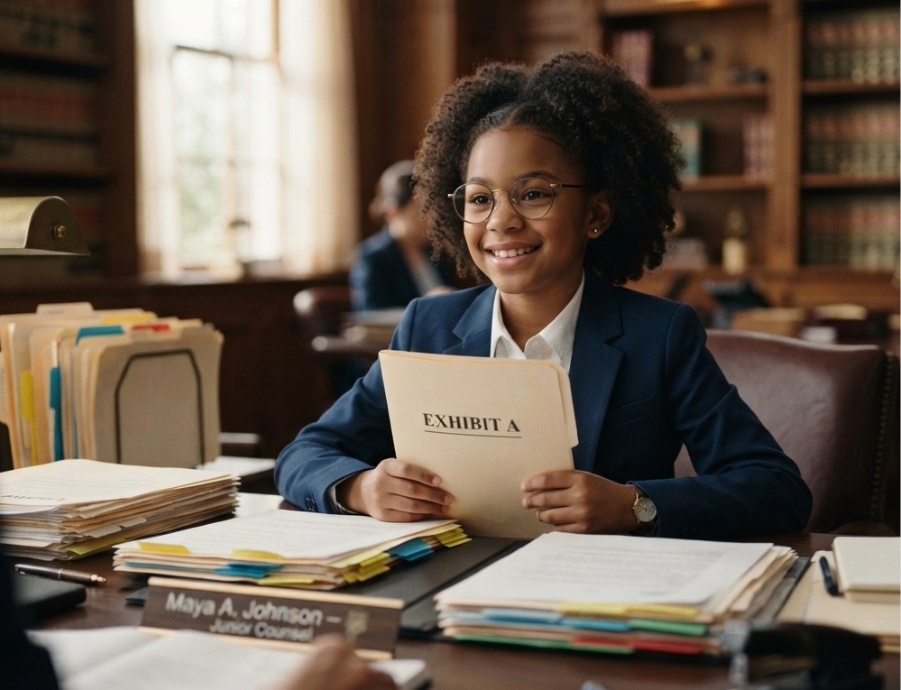
Imagine a lawyer getting ready for a big case. Before they can step into the courtroom, someone has to read through piles of papers, find important facts, and put everything in order. That someone is a paralegal. Paralegals are the detectives and organizers of the legal world. They dig through records, take notes on what they find, and help build the case a lawyer will use to help their client. Paralegals give lawyers more time to focus on advising and representing the people they help.
Paralegals are curious and careful. They ask questions like a detective would: What happened? Who was there? What proof do we have? They also have to keep everything neat and organized, almost like keeping a giant filing cabinet in perfect order, because a missing paper could change the whole outcome of a case. If you like solving mysteries, reading closely, and keeping your things organized just so, you already think a little bit like a paralegal.
You Might Love This If...
Skills That Follow You Everywhere
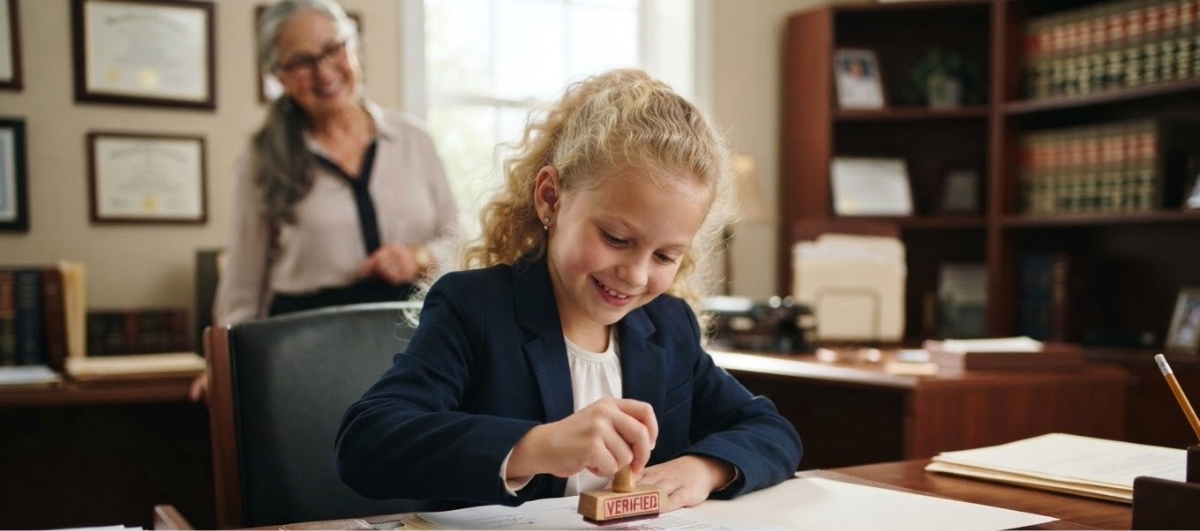
Being a paralegal builds skills that reach far beyond legal documents and courtrooms. Paralegals learn to think critically about complicated information, stay organized under pressure, and communicate clearly with people from all walks of life. These abilities carry into nearly any career or life situation.
Critical Thinking
Every case a paralegal works on is like a puzzle made of facts, documents, and deadlines. Paralegals have to read closely, ask good questions, and figure out which pieces of information actually matter to the case. This kind of careful, step by step thinking helps paralegals catch details that others might overlook, and it is a skill that serves them well in school, at work, and in everyday decisions.
Communication
Paralegals talk with attorneys, clients, witnesses, and court staff every day, often explaining complicated legal steps in plain language so people understand what is happening in their own case. They also write clearly, since a well written summary or letter can make a real difference in how a case moves forward. Strong communication builds trust with the people paralegals work with and helps them explain complex ideas simply, a skill valuable in any profession.
Organization
A single case can involve hundreds of documents, deadlines, and people to keep track of. Paralegals build systems to manage all of it, from filing evidence in the right order to tracking court dates so nothing is ever missed. Learning to stay organized under pressure is a skill that helps in any job and in daily life, whether it is managing a busy schedule or keeping a big project on track.