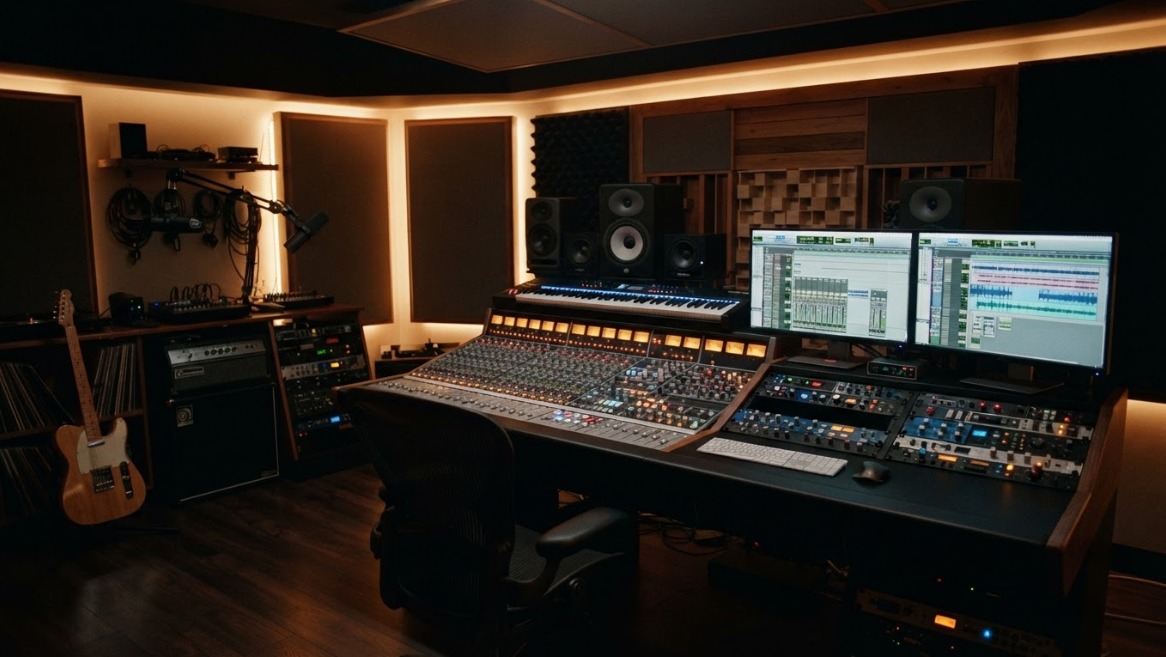
Did You Know?
Many producers sign their work with a producer tag, a short sound or spoken phrase dropped into the first seconds of a beat, the way a painter signs the corner of a canvas.
The Numbers Behind the Career
About 9,800 openings a year are projected across the larger group over the next decade.
The median annual salary for sound engineering technicians was $73,130 in 2025.
The Bureau of Labor Statistics does not track music producers their own job. The closest category, sound engineering technicians held about 15,000 jobs in 2025.
Where This Career Is Headed
Over the next ten years, artificial intelligence is expected to change music production more than almost any other force in the field. AI tools are already able to generate full instrumentals, suggest chord progressions, and handle routine editing tasks in seconds, and as these tools keep improving, some of the entry-level studio jobs that once helped new producers get started may shrink or disappear. At the same time, streaming and social media have sped up the entire pace of the industry, pushing many producers to write, finish, and release songs within days instead of the months or even years earlier generations spent perfecting a single track. That speed can be exciting, but it also puts pressure on the slower, more careful craft that has traditionally defined great production. Producers who succeed in this future will likely be the ones who use AI as a tool while protecting the patience, taste, and originality that technology cannot easily replace.
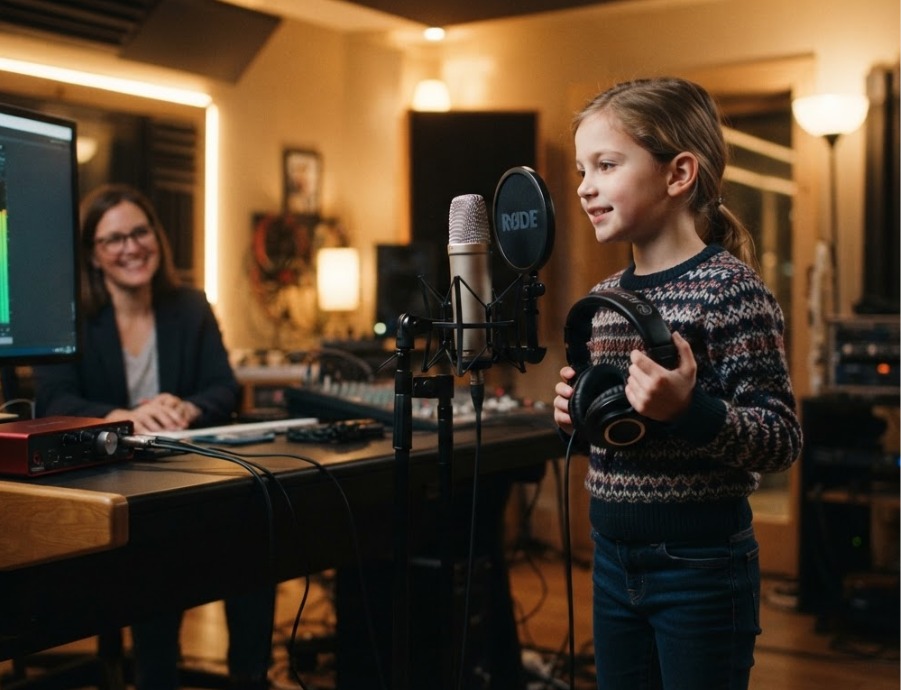
Producers who learn to use AI tools skillfully could experiment with far more ideas and finish far more projects than was ever possible working by hand alone.
As the tools and cost of home studios keep dropping, independent producers may find it easier to build a global audience directly, without needing a major label to get discovered.
New kinds of audio work, such as producing music and sound for video games, apps, and other digital experiences, are expected to keep growing as more entertainment moves online.
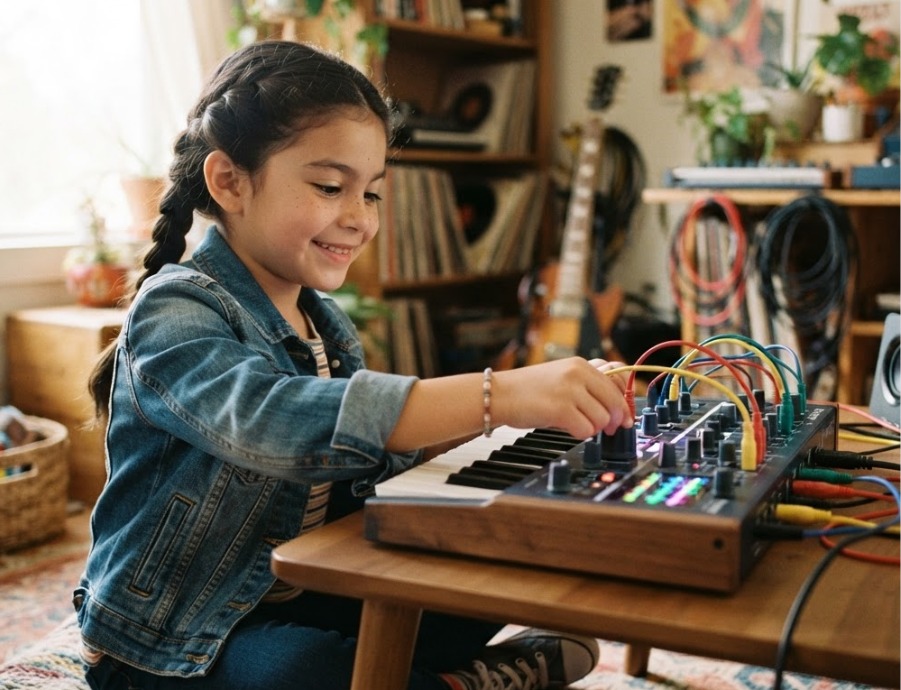
Education & Certification
There is no single required path to becoming a music producer, and many successful producers are self-taught. Some pursue a college degree in music production, audio engineering, or a related field, which can provide structured training in studio equipment, music theory, and sound mixing. Others learn through hands-on experience, working as an assistant or intern in a recording studio and building skills project by project. Formal certification is not required to work as a music producer, though certificates in audio engineering software can help show potential clients or employers that you know your way around a studio.
To Prepare...
Learn a digital audio workstation like GarageBand, FL Studio, or Ableton Live, and practice creating your own beats or songs.
Take music classes such as choir, band, or music theory to build a strong foundation in rhythm, melody, and harmony.
Look for internships, school AV clubs, or volunteer opportunities recording school events to gain real studio experience.