

Did You Know?
A film director might work with hundreds of people on a single project, from actors and camera operators to costume designers, composers, and special effects artists.
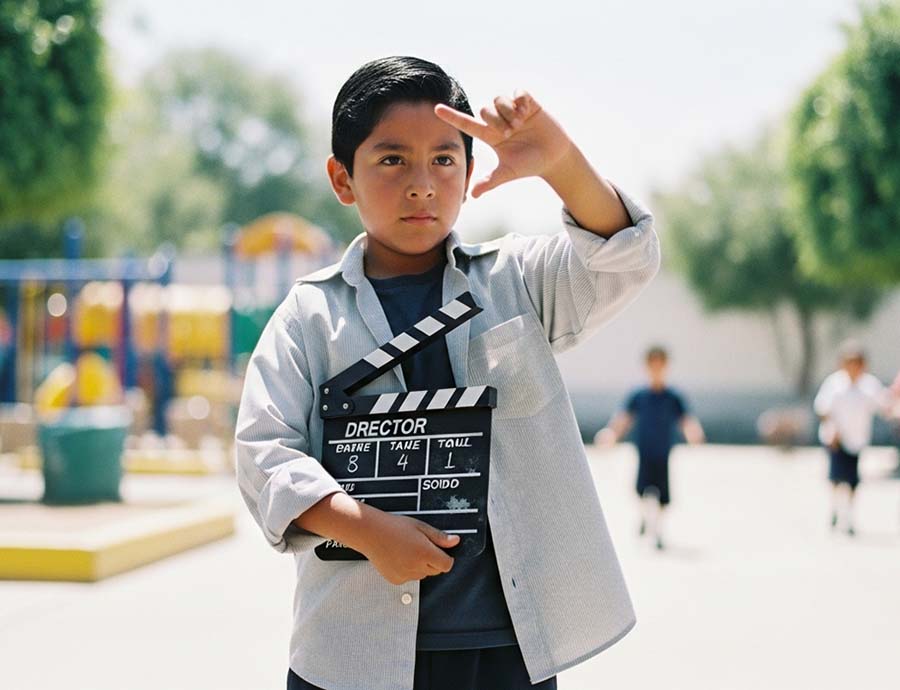
What Film Directors Really Do
Have you ever watched a movie and wondered who decided where the camera should go, what the actors should say, or why the music got scary right before something happened? That's the director! A film director is the person who takes a story and figures out how to turn it into something you can watch on a screen. They tell the actors how to move and speak, choose what the audience sees in each shot, and make sure every scene feels right.
Imagine being the person in charge of a whole movie set, where dozens of people are all looking to you for answers. Should the scene be funny or serious? Should the camera zoom in close or show the whole room? Directors work with actors, camera crews, costume designers, and musicians to build a world that feels real, even if it's totally made up. If you love telling stories, have strong opinions about how things should look and feel, and like being the person who pulls everything together, you might love being a film director!
You Might Love This If...

Skills That Follow You Everywhere
Learning film directing builds important skills that go beyond making movies. These skills help directors communicate ideas, work with others, and creatively solve problems while bringing stories to life on screen.
Creativity
Film directors use imagination to shape stories, design scenes, and create emotional moments that connect with audiences. Creativity helps directors transform written scripts into powerful visual experiences with a unique style and voice.
Teamwork
Film directors work closely with many professionals, including actors, cinematographers, designers, and editors. Collaboration helps combine different talents and ideas to turn creative concepts into a finished film.
Communication
Film directors use clear and thoughtful communication to share their vision with actors, camera crews, editors and teams sometimes from different cultures or countries. Strong communication helps everyone understand how each scene should look, sound, feel, and connect to the overall story.
Explore more resources for a future Film Director

The Essential Directors: The Art and Impact of Cinema's Most Influential Filmmakers (Turner Classic Movies)
Sloan De Forest
Why We Picked It
This beautifully illustrated guide profiles cinema's most influential filmmakers, exploring how each director's unique style and vision shaped the art of moviemaking.
Career Connection
Every director develops a recognizable visual and narrative style, and studying the masters helps aspiring filmmakers understand the creative choices that define a directorial voice.

Who Is George Lucas? (Who Was?)
Pam Pollack and Meg Belviso
Why We Picked It
This biography shows how a film-obsessed kid from Modesto turned his love of racing, mythology, and visual storytelling into one of cinema's most influential legacies.
Career Connection
Lucas started making short films in college before creating Star Wars, showing kids that directing careers begin with small, personal projects long before any big-budget opportunities arrive.

Skywalking: The Life And Films Of George Lucas, Updated Edition
Dale Pollock
Why We Picked It
This deep dive into Lucas's career shows how he built entire fictional universes, revolutionized special effects, and changed how Hollywood distributes and markets films.
Career Connection
Directors with a strong creative vision often become producers and studio builders, and Lucas's career shows teens how directing can expand into world-building, technology, and business leadership.