
Did You Know?
A car engine captures energy from tiny explosions to move. Inside a typical engine, thousands of these small, controlled explosions happen every single minute to push pistons and keep the vehicle moving.
The Numbers Behind the Career
Median annual wages for mechanics vary by specialty, ranging from $47,000 for marine technicians to move than $75,000 for aircraft and avionics mechanics with experienced specialist in all fields earning significantly more.
About 90,000 opening openings for mechanics across all fields are projected annually over the next decade.
There were about 900,000 mechanics and technicians across the automotive, aviation, and marine industries in the U.S. in 2024.
Where This Career Is Headed
The mechanical trades are being reshaped by the rise of electric vehicles, increasingly sophisticated onboard software, and new transportation technologies that are changing what vehicles look like under the hood. Mechanics who once worked exclusively with combustion engines are now learning high-voltage battery systems, regenerative braking, and over-the-air software updates. At the same time, the fundamental need for skilled hands-on technicians is not going away. Vehicles are more complex than ever, and that complexity creates more opportunities for trained professionals who can navigate both the mechanical and the digital sides of the trade.
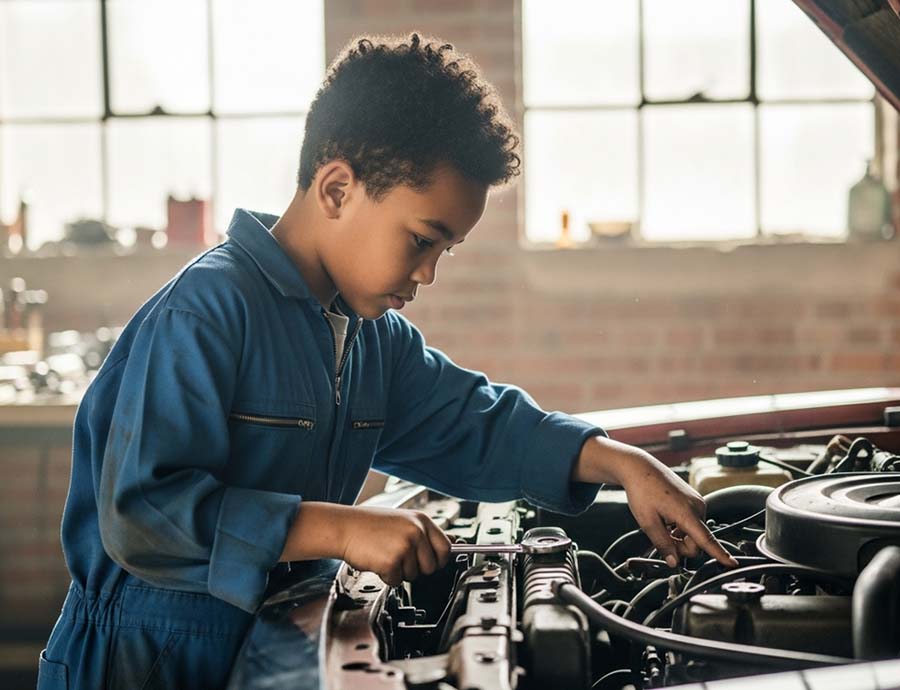
The widespread adoption of electric vehicles will create strong demand for mechanics trained in high-voltage battery systems, electric drivetrains, and EV-specific diagnostics that differ significantly from traditional repair.
The growth of commercial space travel and reusable rocket technology will open new opportunities for spacecraft mechanics trained to inspect, service, and prepare vehicles that were once maintained only by government agencies.
Advances in marine technology, including hydrogen-powered vessels and autonomous cargo ships, will require a new generation of boat and ship mechanics with expertise in clean propulsion systems.

Education & Certification
Mechanics enter the field through a variety of training paths depending on their specialty. Automotive technicians typically complete a one- or two-year certificate or associate's degree at a community college or vocational school, while aviation mechanics follow a federal pathway through an FAA-approved school to earn an Airframe and Powerplant (A&P) certificate. Marine technicians often enter through vocational programs or on-the-job training with boat dealers and marinas. Each field has its own professional credential, including ASE certification for automotive, FAA Airframe and Powerplant certificates for aviation, and American Boat and Yacht Council (ABYC) certification for marine. Earning these credentials signals to employers that a mechanic has met a recognized standard of knowledge and skill. Across all three fields, the most respected mechanics combine formal training with ongoing learning to stay current as technology evolves.
To Prepare...
Classes in physics, math, and computer science are a great place to start, since mechanics in every field rely on these subjects, whether they are working on cars, planes, boats, or spacecraft.
Look for shop classes, maker spaces, or vocational programs where you can get hands-on with tools and basic mechanical projects in a supervised setting.
Ask a school counselor about dual-enrollment programs at local community colleges or vocational schools that let you start earning real industry credentials before you graduate.
Get involved in clubs like SkillsUSA, model rocketry teams, or robotics programs, where you will build the same mechanical thinking and teamwork skills that professional mechanics use every day.
Spotlight: Explore the Life of a Mechanic

Explore more resources for a future Mechanic

The Bishop's Boys: A Life of Wilbur and Orville Wright
Crouch, Tom D.
Why We Picked It
Career Connection
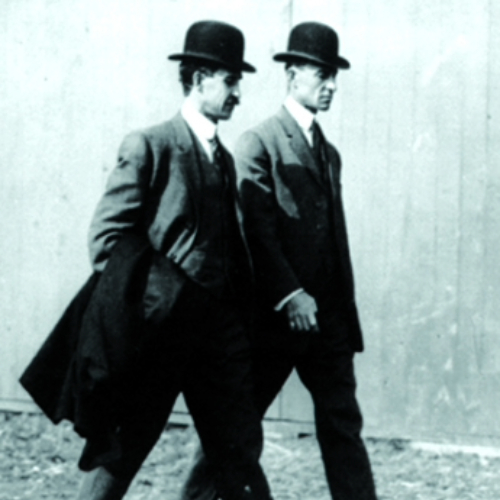
Mechanics depend on intuition built through hands-on tinkering, trial, and error, and the Wright Brothers' story shows how that mechanical intuition, cultivated through bicycles and kites and wind tunnels, was ultimately sufficient to solve a problem that had stumped the world.
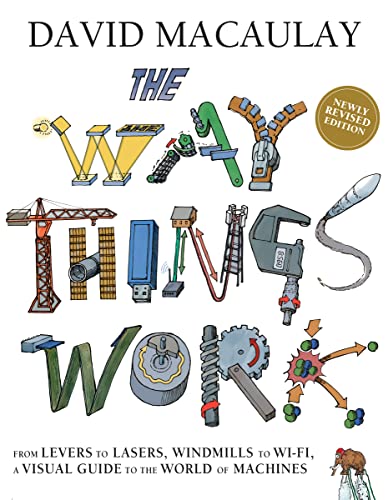
The Way Things Work: Newly Revised Edition: The Ultimate Guide to How Things Work
Macaulay, David
Why We Picked It
Career Connection
Mechanics must understand how mechanical and electronic systems work to diagnose and fix them, and Macaulay's comprehensive guide to the principles behind every major machine and technology is one of the most valuable references any serious technician can own.

To Fly: The Story of the Wright Brothers – A Biography for Children (Ages 6-9) About the Sibling Inventors Who Built the First Airplane
Old, Wendie C.
Why We Picked It
Career Connection
Mechanics understand machines by building, testing, and rebuilding them until they work, and the Wright Brothers, who applied that same hands-on mechanical thinking to the challenge of flight, are the most celebrated mechanics in history.