
Did You Know?
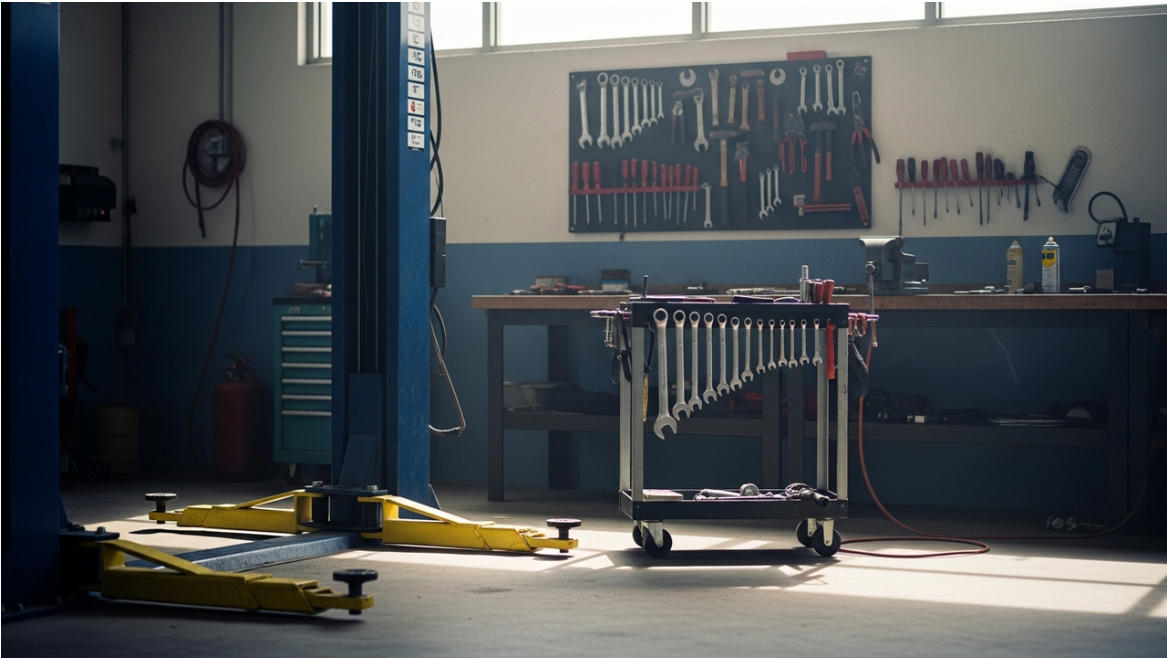
A car engine captures energy from tiny explosions to move. Inside a typical engine, thousands of these small, controlled explosions happen every single minute to push pistons and keep the vehicle moving.
How to Get Started
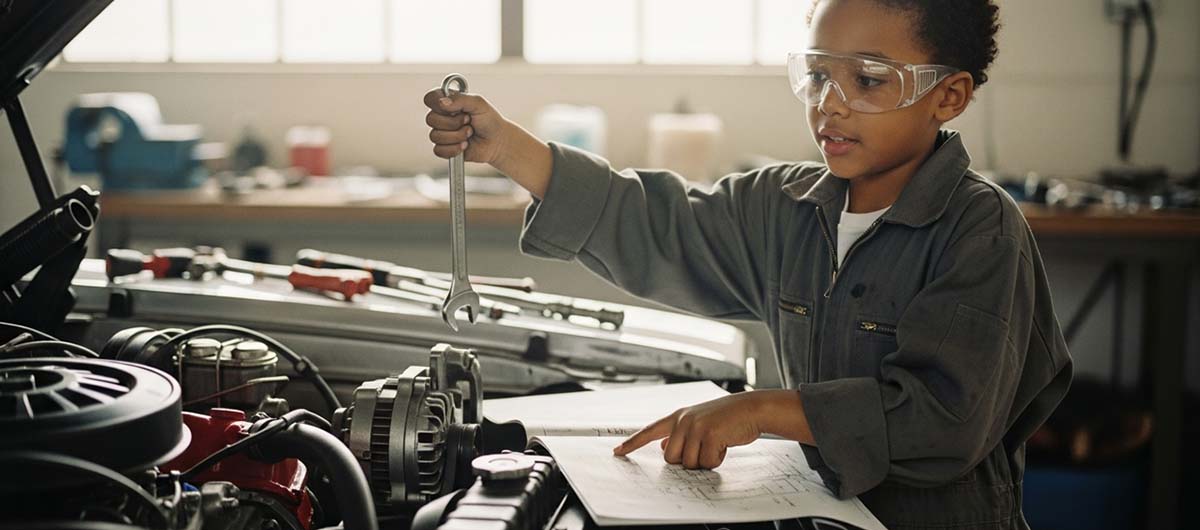
Getting started in the mechanical field begins with curiosity about how things work and a willingness to get hands-on. Taking apart broken electronics to see what is inside, learning basic tool safety, and paying attention to how machines move and connect are all early steps. The path from curious kid to licensed technician is well-defined, with clear training programs, certifications, and plenty of opportunities to earn while you learn.
Explore the Basics
Learning about mechanics can start with simple questions about the machines and vehicles you see every day. What makes a bicycle move? Why does a car need oil? How does an engine turn fuel into motion? Books, videos, and hands-on kits that let you build simple mechanical models help bring these ideas to life. Understanding that machines are made of systems that work together, and that each part has a specific job, is the first step toward thinking like a mechanic.
Try It Out
Build a simple machine at home using a kit, rubber bands, cardboard tubes, and tape to explore how gears, wheels, and levers transfer energy from one place to another. Try a basic snap-together engine model or a motorized car kit available at toy stores and online. Draw a diagram of your creation, label each part, and write one sentence explaining what each piece does. These projects introduce the same foundational thinking mechanics use when they look inside a real vehicle.
Join the Community
Ask a parent or caregiver to take you to an auto show, a car museum, or even a local repair shop that offers tours or open house events. Many automotive trade schools and community colleges host family days where kids can see professional tools and training up close. Science centers with engineering exhibits often have mechanical challenge stations where you can experiment with gears and moving parts in a hands-on setting.
How to Become a Mechanic
Explore more resources for a future Mechanic

Victory Road: The Ride of My Life
Castroneves, Helio
Why We Picked It
Career Connection
The mechanics who maintain a race car at peak performance are as essential to victory as the driver, and Castroneves's account of what it takes to win at the highest level of motorsport reveals the trust, precision, and preparation that every winning driver-crew partnership depends on.

Inventions: A Visual Encyclopedia of Technology and Innovation (DK Children's Visual Encyclopedias)
DK
Why We Picked It
Career Connection
Mechanics work with complex mechanical systems whose components trace back to inventions spanning centuries, and this visual history gives young readers the foundational appreciation for the long chain of innovation their work inherits and continues every day.

The Beginner's Guide to Engineering: Mechanical Engineering
Huber, Mark
Why We Picked It
Career Connection
Mechanics who understand the engineering principles behind the systems they work on, how forces distribute, why materials behave the way they do, become significantly better diagnosticians, and this guide introduces those principles in the most accessible way available.