
Did You Know?
Clarence Birdseye got the idea for modern frozen food after watching Inuit fishermen in northeast Canada pull fish through the ice, where they froze almost instantly in the bitter cold. Freezing that fast forms tiny ice crystals, which keeps food tasting fresh when it’s thawed.

What Food Safety Inspectors Really Do
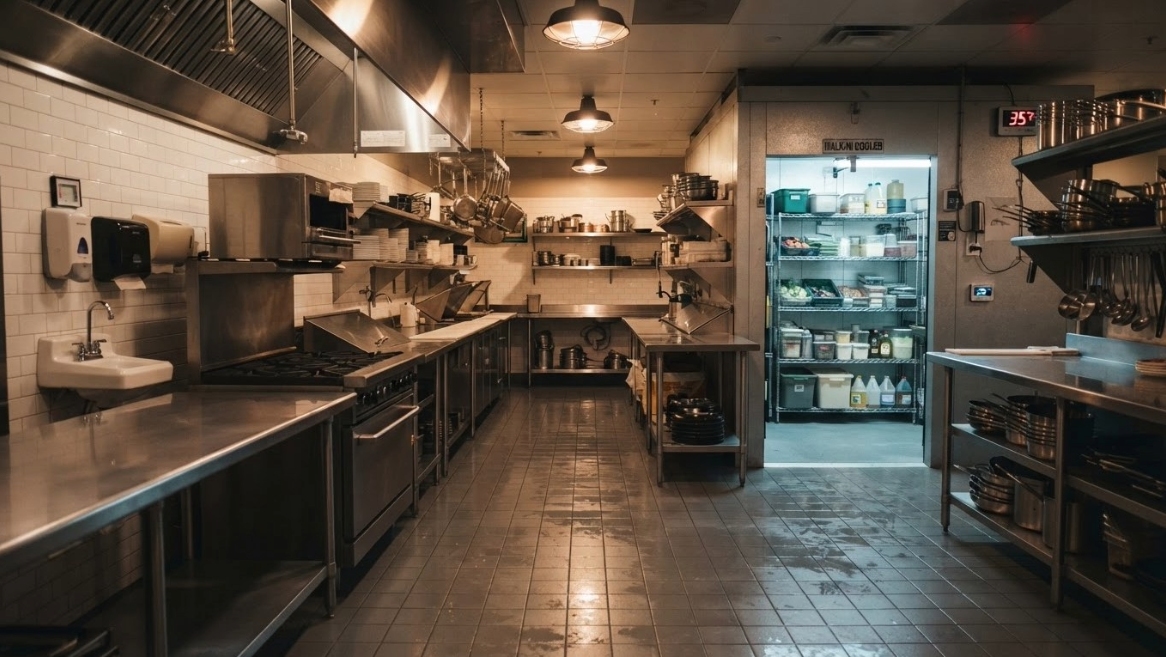
Have you ever wondered who makes sure the food at your school cafeteria, your favorite restaurant, or the grocery store is safe to eat? That is the job of a food safety inspector. These professionals visit the places where food is grown, made, stored, and served, and they check that everything is clean, handled properly, and safe for people to eat. They look for things like the right temperatures in refrigerators, clean equipment, proper handwashing, and safe food storage. When something is not right, they make sure it gets fixed before anyone gets sick.
Thinking like a food safety inspector starts with being observant and asking questions. Why does milk need to stay cold? What happens if someone does not wash their hands before touching food? Why are some foods cooked to certain temperatures? If you notice when something looks, smells, or feels "off," pay attention to rules about cleanliness, and care about keeping people healthy, you are already thinking the way food safety inspectors think.
You Might Love This If...
Skills That Follow You Everywhere
Working as a food safety inspector builds skills that reach far beyond the inspection floor. Inspectors learn to explain complex information clearly, work across organizations, and adapt quickly to new situations. These capabilities strengthen every career, relationship, and leadership opportunity that follows.
Adaptability
No two inspections are the same. One day you might review a small bakery's cleaning practices, and the next you could help investigate an outbreak linked to imported produce. New rules, new technologies, and new food products mean inspectors must keep updating their knowledge and adjusting their approach. This flexibility and willingness to keep learning is a powerful skill that helps people handle change in every area of life.
Teamwork
Food safety is never a solo effort. Inspectors work alongside epidemiologists, laboratory scientists, attorneys, and public health officials to investigate outbreaks and enforce safety standards. A single outbreak investigation might involve the CDC, FDA, USDA, state health departments, and private companies, all working toward the same goal. Learning to collaborate across organizations and fields is one of the most transferable skills this career builds.
Communication
Food safety inspectors must explain complicated food safety laws and rules in plain language that managers, line workers, and business owners can understand and act on. They write detailed inspection reports, present findings to supervisors, and sometimes testify in legal proceedings or public hearings. They also listen carefully to the people they inspect and learn about the specific challenges each facility faces. Communicating clearly, both in writing and in person, bu