
Did You Know?
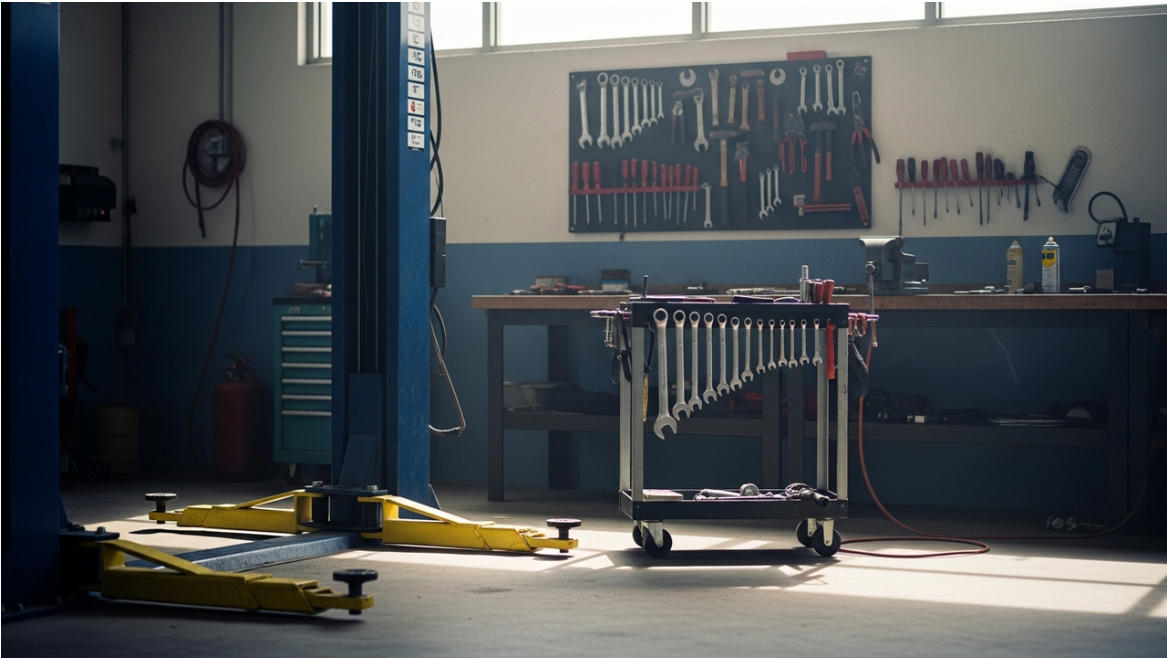
A car engine captures energy from tiny explosions to move. Inside a typical engine, thousands of these small, controlled explosions happen every single minute to push pistons and keep the vehicle moving.
What Mechanics Really Do
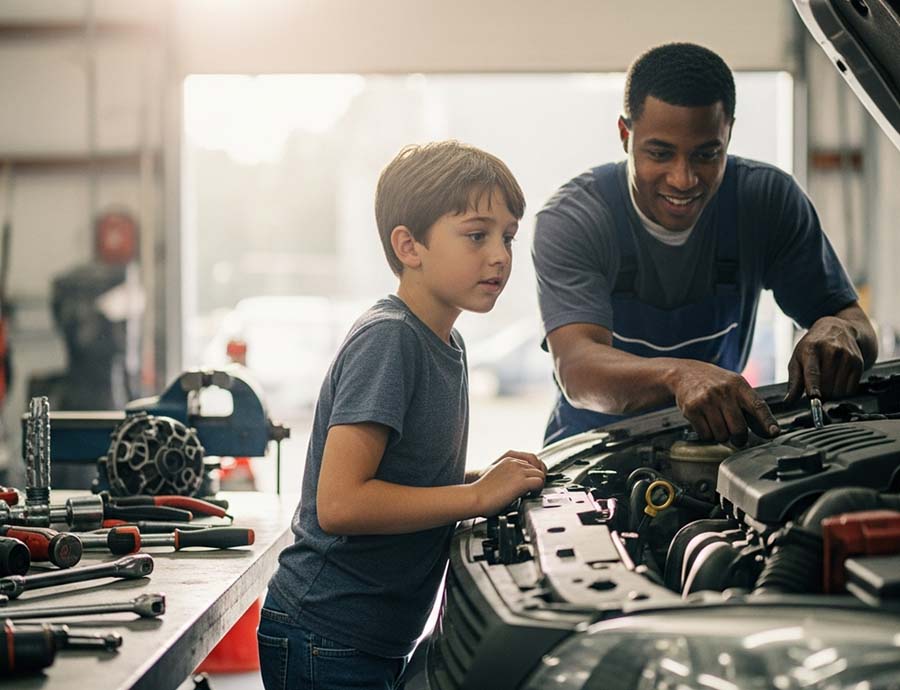
Have you ever heard a strange noise coming from a car and wondered what was making it? Or watched a mechanic on a pit crew swap out tires in seconds flat? Maybe you have wondered how a giant airplane gets inspected before it carries hundreds of passengers into the sky, or how a speedboat engine gets tuned up before a race. Mechanics are the people who keep all of those machines running safely. A mechanic is someone who figures out why a vehicle isn't working and knows exactly how to fix it, whether it has two wheels, four wheels, wings, or a hull.
Figuring out what is wrong with a machine is a bit like being a detective. Mechanics listen for strange sounds, look for hidden leaks, and use specialized tools to track down problems that are invisible from the outside. Every vehicle that comes into their shop is a new mystery waiting to be solved. If you enjoy figuring out how things work, putting things back together, and knowing that your work makes a difference in someone's day, you might already be thinking like a mechanic.
You Might Love This If...
Skills That Follow You Everywhere
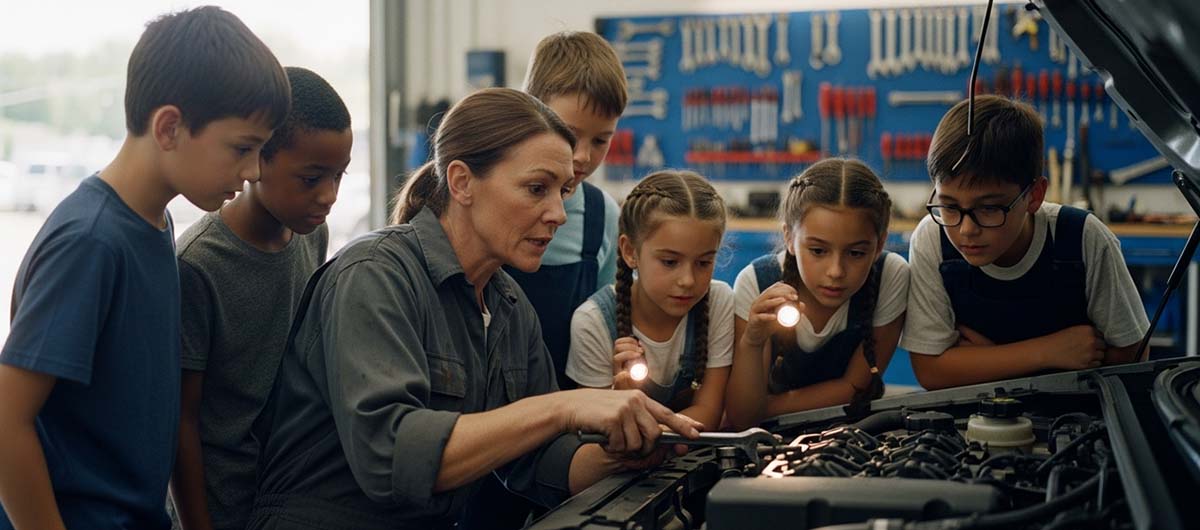
Being a mechanic builds skills that go far beyond knowing how an engine works. Mechanics develop the ability to think through complex problems methodically, communicate clearly with people who are stressed or confused, and stay focused and organized under pressure. These are abilities that translate into leadership, business ownership, and any field where precision and reliability matter.
Critical Thinking
Mechanics cannot afford to jump to conclusions. A misdiagnosis means the wrong part gets replaced, the customer's money is wasted, and the real problem remains. Before turning a single wrench, a skilled mechanic reads diagnostic data, reviews the vehicle's history, and thinks carefully about what the evidence actually points to. This habit of slowing down, asking good questions, and analyzing information before taking action is a skill that serves well in any career or life situation.
Teamwork
On a busy shop floor or a professional racing pit crew, no mechanic works alone. Big jobs require every person to know their role, trust their teammates, and execute their part at exactly the right moment. An F1 pit crew can change four tires and make adjustments to a car in under three seconds, but only because each crew member has practiced their specific job hundreds of times and moves in perfect coordination with everyone else. Whether the goal is a podium finish or getting a family's minivan back on the road by Friday, mechanics learn that the best results come from people who rely on each other and communicate without hesitation.
Problem-Solving
When a vehicle rolls into the shop, mechanics rarely have all the information they need right away. A strange noise or a warning light could point to dozens of different causes, and finding the right one requires gathering evidence, testing possibilities, and thinking logically through each step. This kind of structured, real-world problem-solving builds a mindset that is valuable far beyond the garage, from managing a business to troubleshooting challenges in any technical field.
Explore more resources for a future Mechanic

How Cars Work. An Illustrated Guide for Curious Kids, Teens, and Beginners: Discover Engines, Brakes, Gears, and More with Fun Diagrams and Easy Explanations!
Renson, Peter
Why We Picked It
Career Connection
Mechanics diagnose and repair the exact systems this guide explains, and building early familiarity with how engines, transmissions, brakes, and electronics interact gives young readers the conceptual foundation the career is built on.

The Bishop's Boys: A Life of Wilbur and Orville Wright
Crouch, Tom D.
Why We Picked It
Career Connection
Mechanics depend on intuition built through hands-on tinkering, trial, and error, and the Wright Brothers' story shows how that mechanical intuition, cultivated through bicycles and kites and wind tunnels, was ultimately sufficient to solve a problem that had stumped the world.

The Science of Speed: Formula One 2025 Edition: How AI, Aerodynamics, and Raw Horsepower Are Shaping the Most Advanced Race Cars Ever Created
David, T.
Why We Picked It
Career Connection
Race mechanics maintain the most technically demanding machines in motorsport, optimizing every system under intense time pressure, and understanding the engineering behind F1 cars gives aspiring mechanics a vivid look at what the profession achieves at the highest level.