Did You Know?
Ancient Chinese builders mixed sticky rice soup into their lime mortar. A 2010 study of a 600-year-old city wall in Nanjing found that a starch in the rice makes the mortar stronger and more resistant to water, and the same recipe is now used to repair historic Chinese bridges.
The Numbers Behind the Career
About 18,400 openings for masons and tile setters are expected each year over the next decade.
The median annual salary for masons and tile setters was $58,270 in 2025.
There were about 277,700 masons and tile setters working in the U.S. in 2025.
Where This Career Is Headed
Demand for masons rises and falls with new building and road construction. BLS expects brick and stone to stay popular for both interiors and exteriors, but it also notes that prefabricated panels built off-site reduce the number of masons needed at the construction site, and that the higher cost of natural stone is expected to limit demand for stonemasons, whose numbers are projected to fall 5 percent. Terrazzo work is projected to decline as polished concrete takes some of its market. The tile side of the trade looks stronger. BLS expects tile and stone installation to remain common in bathrooms, restaurants, and other buildings, with new home construction and renovation as the main sources of work, and projects 10 percent growth for tile and stone setters. Taken together, the trowel trades are not fast-growing, but replacement openings are steady and tile is the part of the trade with the most room to grow.

Tile and stone setting. This is the fastest-growing corner of the trade in BLS projections, and the industry is pushing for qualified labor. The Ceramic Tile Education Foundation's Certified Tile Installer program lets installers prove their skills with a written exam and a one-day hands-on test.
Restoration and repair. BLS describes pointing, cleaning, and caulking workers who repair brickwork on older structures, and the bricklayers' union offers a Historic Masonry Certificate. As buildings age, masons who can match old materials and methods become more valuable.
Running the business. BLS notes that journey workers can advance to supervisor, superintendent, or construction management, and that experienced masons often become independent contractors. About one in five flooring and tile workers is already self-employed.

Education & Certification
Masons typically need a high school diploma or equivalent and learn the trade through an apprenticeship or on the job. Tile and stone setters typically need no formal educational credential; most learn on the job, often starting as helpers or tile finishers, though apprenticeship programs may require a diploma. Apprenticeships run two to four years and combine paid on-the-job training with classroom instruction in blueprint reading, math for measurement, building code requirements, and safety and first aid. Unions such as the International Union of Bricklayers and Allied Craftworkers and contractor associations sponsor these programs, and graduates are considered journey workers who can perform tasks independently. Many technical schools also offer masonry programs. The Ceramic Tile Education Foundation's Certified Tile Installer credential requires at least two years of experience as a lead installer, a written exam, and a one-day hands-on test; the union also offers a Historic Masonry Certificate for experienced masons working on preservation projects.
To Prepare...
Take geometry, algebra, and art, along with any shop or construction class your school offers. BLS specifically notes that art and math courses help tile setters because layout is applied geometry and pattern is applied art.
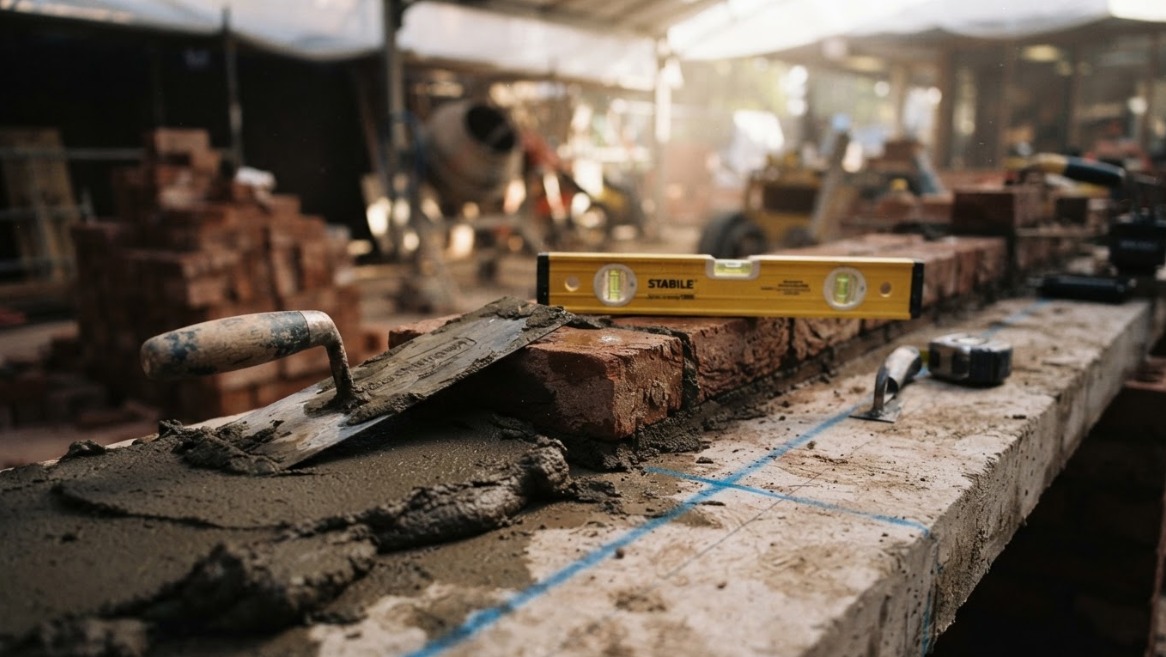
Practice with real materials. Help an adult build a paver path, a brick garden border, or a tile backsplash, and learn to use a level, a tape measure, and a chalk line. Comfort with tools and materials matters more than any single class.
Look for a summer job as a construction laborer or helper, which BLS notes is how some masons start, and ask a school counselor about pre-apprenticeship programs and whether your school has a SkillsUSA chapter.
Spotlight: Explore the Life of a Mason / Tile Setter

Isaiah Zagar
Learn More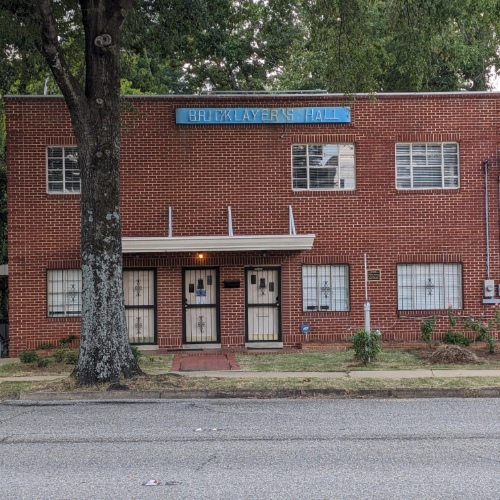
International Union of Bricklayers and Allied Craftworkers (BAC)
Learn More