
Did You Know?
A 30-second ad during the first Super Bowl, in 1967, cost about $40,000. For the 2026 game, 30-second ads sold for an average of about $8 million, and a few went for more than $10 million.
What Copywriters Really Do
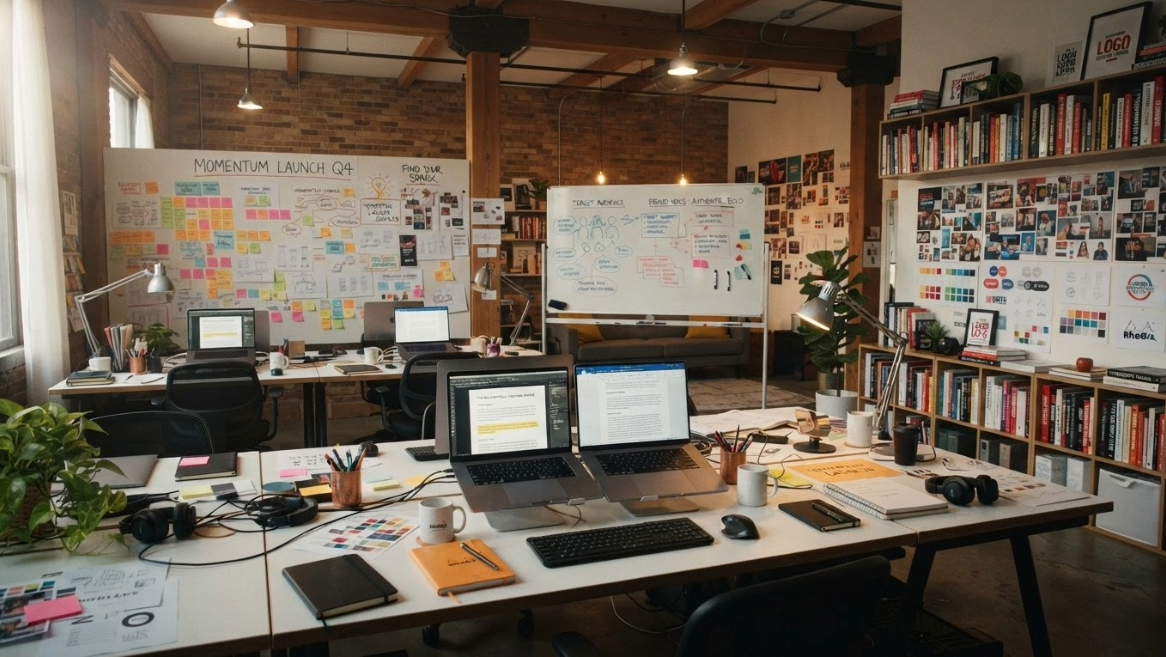
It is Monday morning, and your team has a big job: a brand-new fruit snack needs a name, a slogan, and words for its box. You grab a notebook and write twenty silly and clever ideas, saying each one out loud to hear how it sounds. A designer on your team sketches a picture to go with your favorite, and you both notice the words feel too long. You cross out half of them and try again until the line is short enough to read in one breath. By lunchtime, your team has a slogan that makes everyone smile, and you cannot wait to see it on a shelf.
Copywriters write the words you see and hear in ads, on food boxes, on websites, and in videos. They work with designers, marketers, and the people who make the product, and they listen to find out what makes it special. Then they choose just the right words to explain it, make it fun, and fit it into a small space. A big part of the job is rewriting, because the first idea is rarely the best one. If you love playing with words, making people laugh, and explaining things in a way that sticks, you might already be thinking like a copywriter.
You Might Love This If...
Skills That Follow You Everywhere
Copywriters spend their days generating ideas, figuring out what readers care about, and starting over when a draft doesn't land. They write the same message many ways and keep the one that works. The line on a box or a billboard usually survives a much longer list.
Resilience
Copywriters hear “try again” more often than “perfect,” and a client can reject a draft that took hours to write. They read the notes, keep what is useful, and start the next version without taking it personally. Many lines on a billboard or a box went through dozens of drafts before anyone outside the team saw them.
Creativity
Copywriters write far more ideas than they use, because the first ones are rarely the best. A joke or a wrong turn can lead to the line that works, so they write the odd ones down before judging them. The slogan on the final box is usually one idea picked from dozens.
Empathy
Before writing a word, a copywriter asks who will read it, what they already know, and what they care about. A message for a nervous parent sounds different from one for a ten-year-old, and the words change to match. They read customer reviews and comments to hear how real people talk about a product.