Did You Know?
Amos Alonzo Stagg coached college football for 57 seasons and invented a startling amount of what the sport still uses, including the tackling dummy, numbers on the backs of jerseys, and the man-in-motion play. He was named national Coach of the Year at 81, was still coaching at 98, and lived to 102.
The Numbers Behind the Career
About 306,500 coaches and scouts work across the United States, ranging from youth and school coaches to professional and Olympic-level coaches.
About 41,800 job openings are expected each year over the next decade.
The median annual salary for coaches and scouts is about $45,920, though pay varies enormously, from part-time youth to multi-million dollar contracts for professional head coaches.
Where This Career Is Headed
Coaching is being reshaped by data and technology as much as it is by strategy. Wearable sensors, video analytics, and AI-powered performance tools now let coaches track athlete fatigue, refine technique, and scout opponents with a level of detail that was impossible a decade ago. At the same time, growing awareness of mental health and athlete well-being is pushing coaches to develop skills including communication, empathy, and conflict resolution. Over the next decade, the coaches who succeed will be the ones who can blend traditional leadership with new technology and a deeper understanding of the athletes they lead.
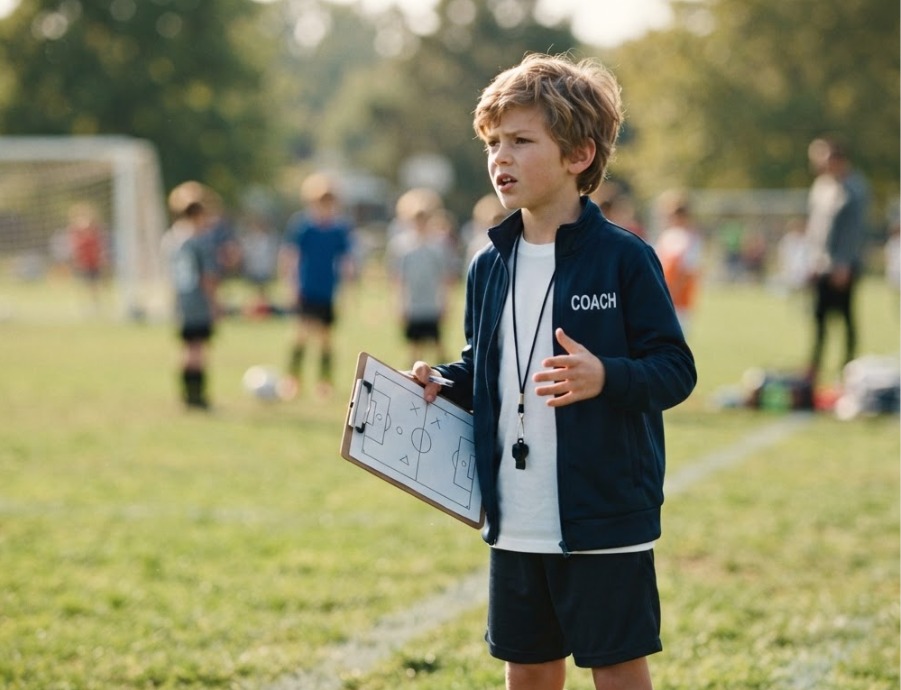
Advances in sports analytics and AI-powered video review are giving coaches deeper insight into performance, opening new specialized roles focused on data and strategy.
Growing investment in women's sports, including new leagues and expanded college programs, is creating more high-profile coaching opportunities than ever before.
Expanding youth and community sports programs are increasing demand for coaches at every level, from recreational leagues to elite academies.
Education & Certification
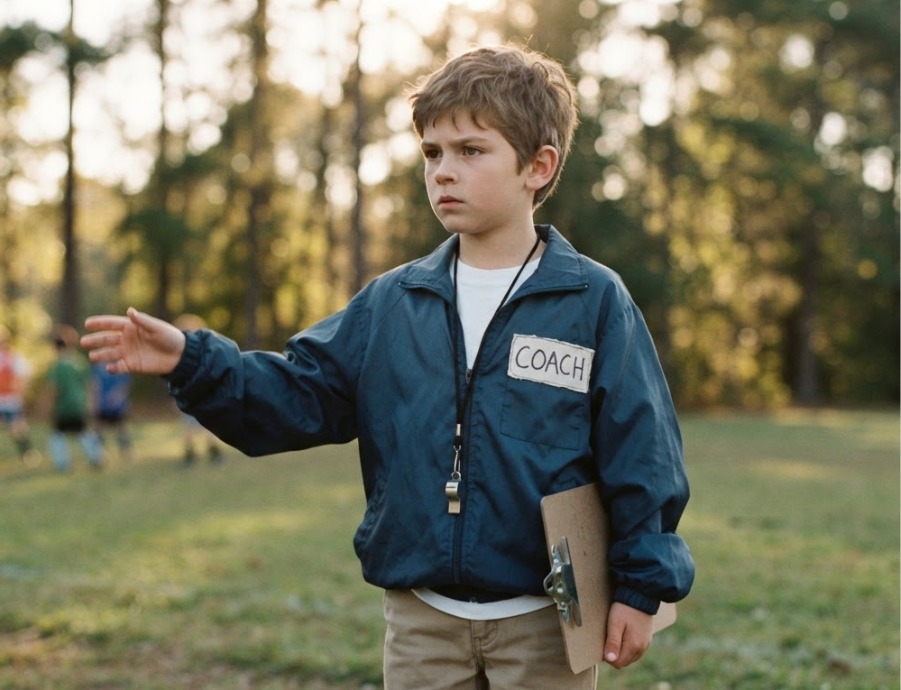
Coaching requirements vary widely depending on the level and the sport. Youth and recreational coaches often need little more than a background check and a basic coaching certification, while high school coaches typically need a teaching credential or coaching endorsement through their state. College and professional coaches usually build their way up through years of playing experience and assistant coaching roles, often alongside a bachelor's degree in a subject like kinesiology, sports management, or physical education. There is no single required license to become a coach, but certifications in areas like CPR, first aid, and sport-specific coaching education can help coaches stand out and keep athletes safe.
To Prepare...
Get involved in your sport as a player first, since most coaches draw on their own playing experience to teach others.
Look for opportunities to help coach younger kids through community leagues, camps, or clinics to start building real coaching experience early.
Study coaching certifications and safety courses, like CPR and first aid, that are often required or preferred for coaching positions at every level.