
Did You Know?
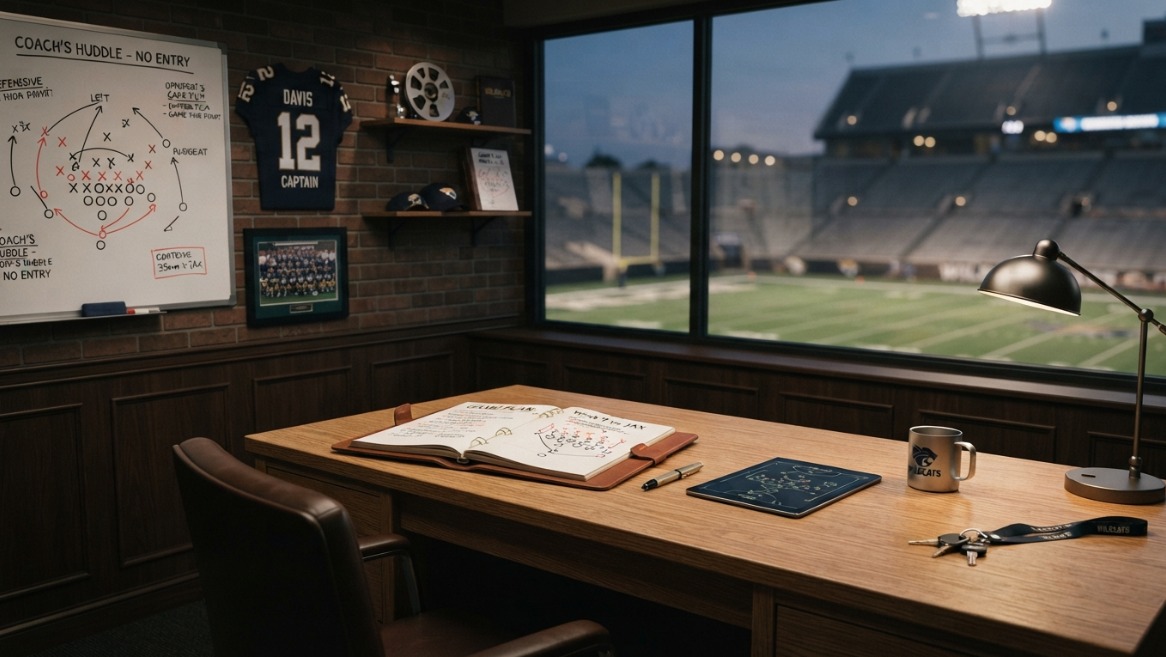
Amos Alonzo Stagg coached college football for 57 seasons and invented a startling amount of what the sport still uses, including the tackling dummy, numbers on the backs of jerseys, and the man-in-motion play. He was named national Coach of the Year at 81, was still coaching at 98, and lived to 102.
What Coachs Really Do
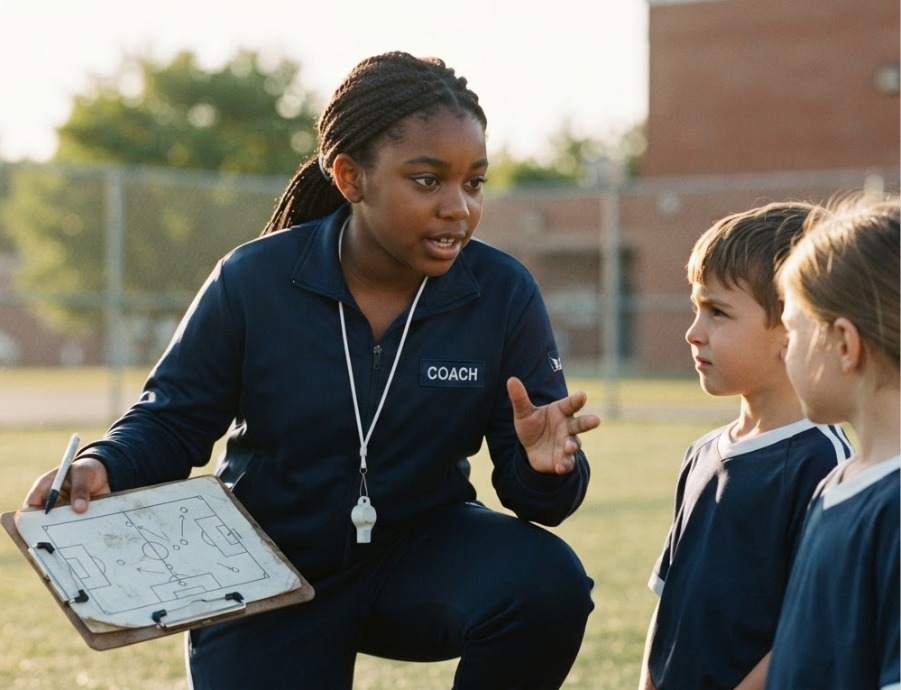
Imagine you are learning to shoot a basketball, and no matter how hard you try, the ball keeps bouncing off the rim. Someone steps beside you, watches you shoot a few more times, and says, "Try bending your knees a little more and following through with your wrist." You try it, and the very next shot swishes through the net. That person is a coach, someone whose job is to notice what you need and help you get a little bit better at your sport every single day.
Coaches lead teams and athletes in every sport imaginable, from soccer and basketball to swimming and gymnastics. They plan practices, teach new skills, and cheer players on during games, but their most important job is helping people believe in themselves. If you love sports, enjoy helping friends get better at something, and like the feeling of seeing someone succeed because of your help, you might already be thinking like a coach.
You Might Love This If...
Skills That Follow You Everywhere
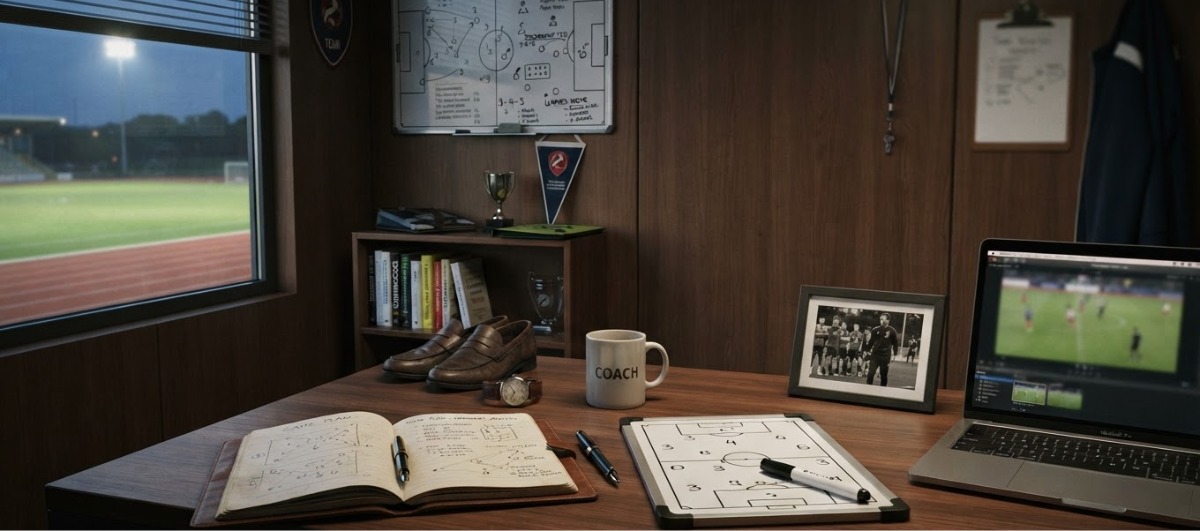
Coaching is about building people’s skills and confidence, not just winning games. In every practice and game, a coach must explain ideas clearly, unite a group of individuals into one team, and make adjustments when things do not go according to plan. These are skills that matter far beyond the field.
Adaptability
No game ever goes exactly according to plan. A star player gets injured, the weather changes, or an opponent does something completely unexpected, and a coach has to adjust strategy in real time without missing a beat. Coaches learn to treat surprises as puzzles to solve rather than problems to fear, staying flexible about their game plan while staying firm about their team's values. This ability to think on your feet and adjust quickly, without losing confidence or composure, is one of the most valuable skills a coach develops, and one that transfers to nearly any high-pressure career.
Teamwork
A coach's job is all about teamwork, both in building it among players and modeling it themselves. Great coaches surround themselves with assistant coaches, athletic trainers, and support staff, and they know a team's success depends on everyone doing their job well, not just the players in the spotlight. They also have to unite athletes with very different personalities, skill levels, and roles around one shared goal, helping a bench player and a star player both feel like they matter to the team's success. Learning to build and rely on a team, rather than trying to do everything alone, is at the heart of what makes coaching effective.
Communication
Coaches spend nearly every minute of practice and games communicating, teaching a new play, correcting a mistake in real time, or delivering encouragement to a player who just made an error. The best coaches learn to say the same instruction in different ways, because not every athlete hears feedback the same way. They also have to communicate honestly, even when the message is hard to hear. Learning to explain clearly, encourage genuinely, and listen closely builds communication skills that coaches use every single day.