

Did You Know?
AR/VR developers working on medical applications have built surgical training simulations so realistic that hospitals are using them to train surgeons before they ever touch a real patient, reducing errors and improving outcomes in actual operating rooms.
What AR/VR Developers Really Do
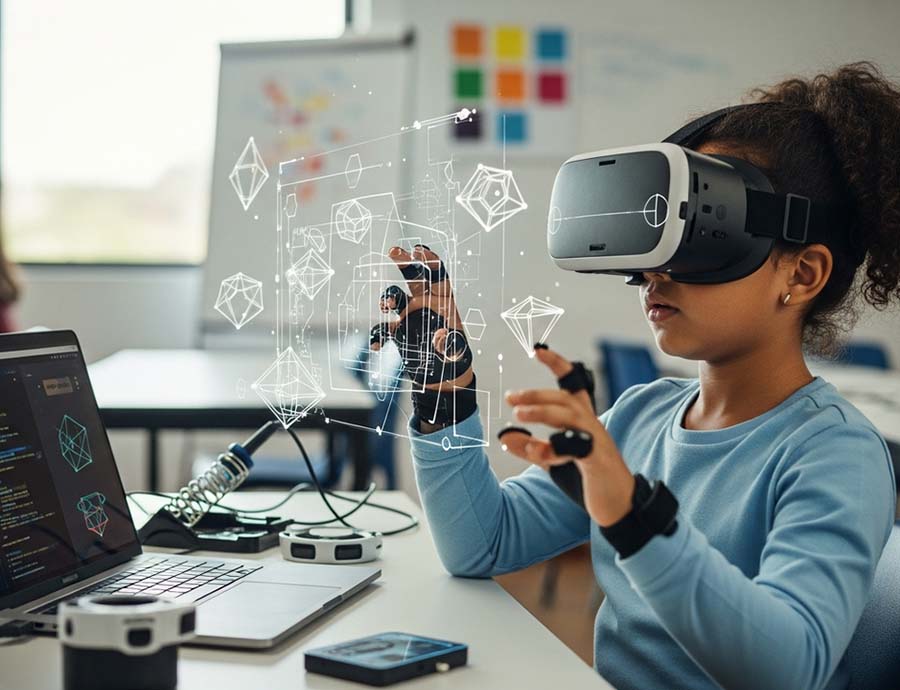
Close your eyes for a moment and think about your favorite place in the world. Now imagine putting on a headset and actually being there, able to look around, reach out, and feel like you are standing right in the middle of it. AR/VR developers are the people who create virtual worlds and augmented environments, the kind where digital objects appear right in your living room or where you can stand on the surface of Mars without leaving Earth. They combine coding, art, storytelling, and an understanding of how the human brain works to build experiences that feel real even when they are not.
The job of an AR/VR developer sits at one of the most exciting intersections in technology: where computers meet human imagination. They think about how people move through space, what makes an environment feel believable, and how to make sure no one feels sick while wearing a headset. They work on everything from games and social platforms to medical training tools and virtual classrooms. If you love games, art, storytelling, and technology all at once, and if the idea of building worlds that other people can step inside sounds like the most exciting thing you can imagine, you might already be thinking like an AR/VR developer.
You Might Love This If...
Skills That Follow You Everywhere
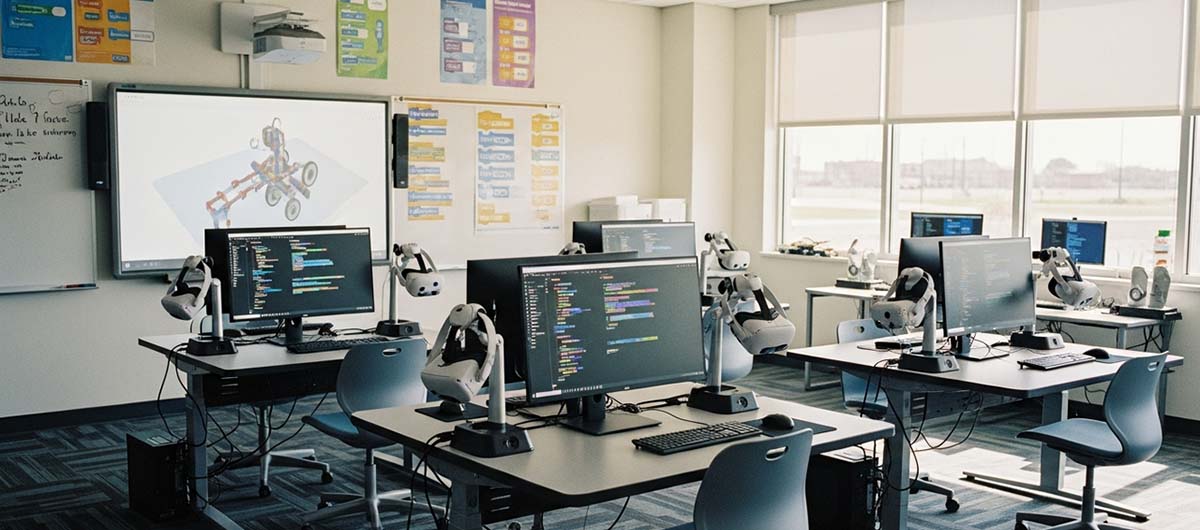
Building AR and VR experiences develops skills that go far beyond writing code or designing 3D environments. AR/VR developers learn to understand how other people experience the world, collaborate across disciplines that rarely work together anywhere else, and stay effective in a field that reinvents its own tools every few years. These abilities are valuable in any career that sits at the intersection of technology, creativity, and human experience.
Adaptability
The AR/VR field has gone through more platform shifts, hardware generations, and industry pivots in the last decade than most technology fields see in thirty years. Developers who built exclusively for one headset or one engine have repeatedly had to rebuild their entire toolkit as the landscape changed beneath them. Adaptability in this field means investing in foundational skills that transfer across platforms, staying curious about what is emerging before it becomes mainstream, and treating every new tool or hardware generation as an opportunity rather than a disruption.
Teamwork
A single AR/VR project typically requires 3D artists, animators, audio engineers, UX designers, software engineers, and domain experts from whatever field the experience serves, all working toward a shared result that none of them could build alone. AR/VR developers sit at the center of that collaboration, translating between the creative vision of designers and the technical constraints of the platform, and making sure every contribution fits together into a coherent experience. That ability to work across disciplines, speak multiple professional languages, and hold a shared goal together across a large and diverse team is one of the most valuable things this career builds.
Empathy
An AR/VR experience that makes someone feel present in a virtual environment requires its developer to understand exactly what that person will see, feel, and physically respond to from the inside. Designing for presence means anticipating discomfort before it happens, understanding what makes an environment feel safe or threatening, and building interactions that respond to how humans actually move and perceive rather than how engineers assume they do. That habit of building technology around human experience rather than around technical possibility is one of the most transferable skills the profession develops.