
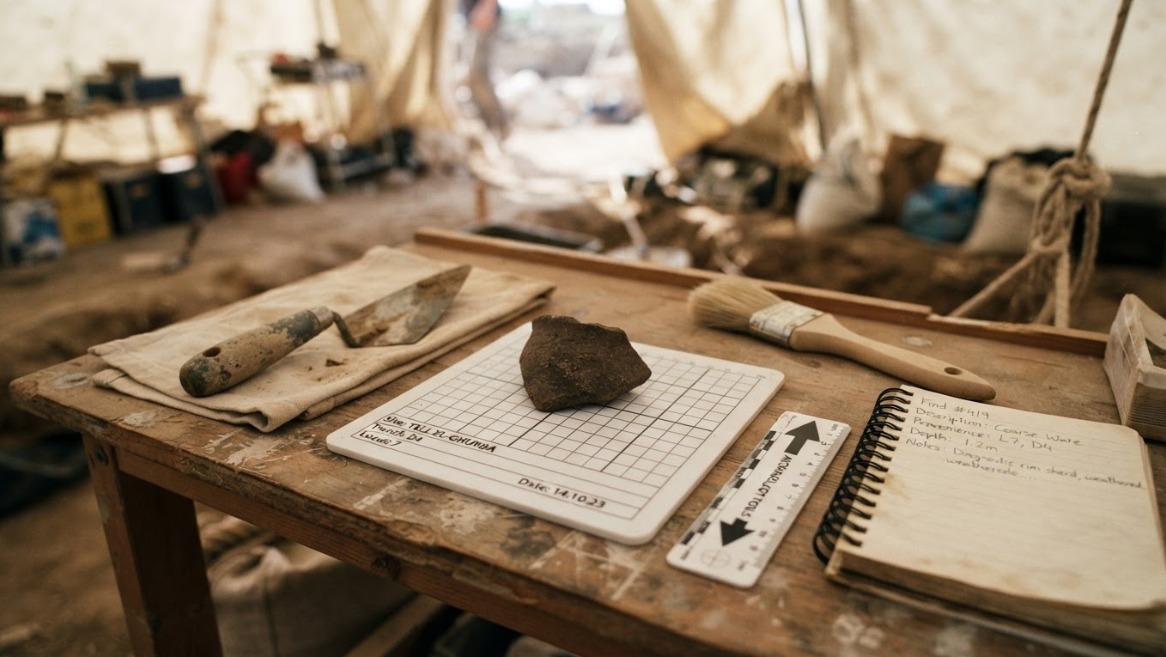
Did You Know?
A 5,300-year-old man found frozen in the Alps still had 61 tattoos, a copper axe, and an arrowhead lodged in his shoulder. Scientists even know what he ate for his last meal (ibex and red deer with einkorn wheat) and have traced the valley he climbed in the days before he died.
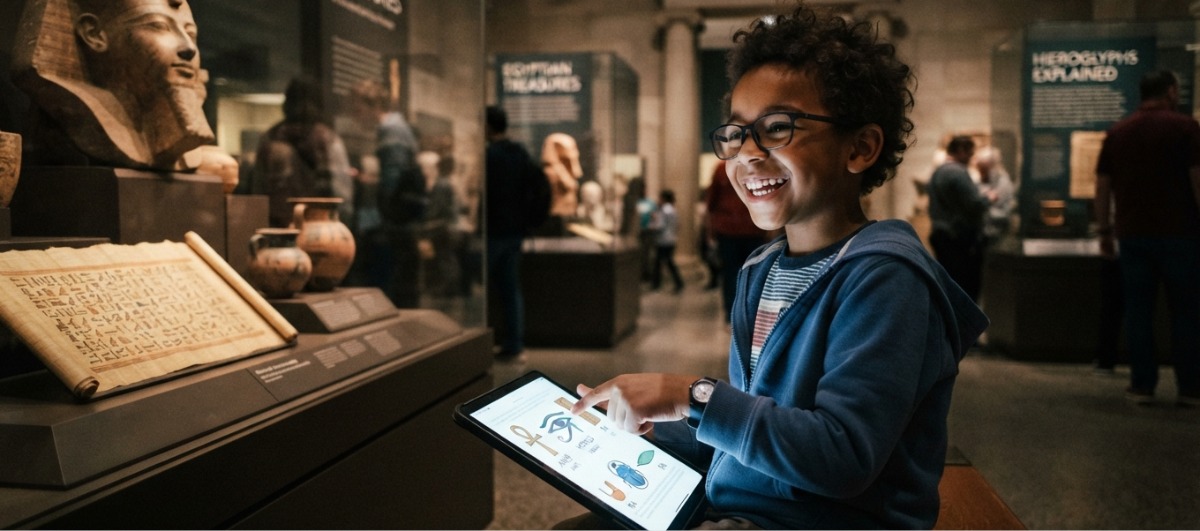
How to Get Started
You can start practicing archaeology right now, without a shovel or a permit. It begins with noticing details, asking good questions about ordinary objects, and getting comfortable piecing together a story from incomplete evidence.
Explore the Basics
Look through an old family photo album or box of keepsakes with a parent or grandparent and ask them to tell you the story behind three different objects. Notice how much information one small item can hold once someone explains where it came from and why it was kept. Try guessing the story behind a fourth object before you ask, then see how close your guess was.
Try It Out
Build a simple "time capsule" with a few small objects that represent your life right now, and bury or hide it somewhere safe with a parent's permission. Write a note explaining what each object means and why you chose it, the same way archaeologists record what they find and why it matters. Decide together with your family when you might dig it up again, whether that is next year or many years from now.
Join the Community
Visit a local history museum or historical society with a family member and ask a staff member how the objects on display were found and dated. Many local museums are run by volunteers who love sharing stories about how their collections came together and what discoveries surprised them most. Pick one object in the museum that interests you and ask the staff member everything you can think of about it.