
Did You Know?
Counting every version, including mobile, Tetris has sold an estimated 520 million copies, more than any other video game. Most of those sales came from mobile phones.
How to Get Started
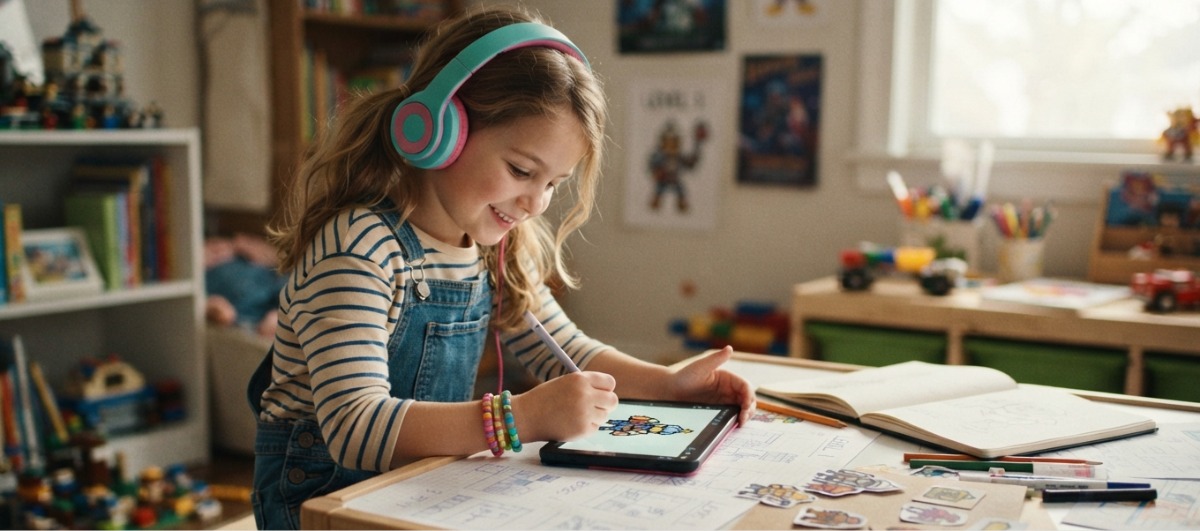
Getting started in game design does not require a computer science degree, expensive software, or even a computer. It starts with paying close attention to the games you already play, asking why they work, and then making your own, beginning with the simplest possible version and improving it based on what happens when other people play. Every game designer started as a player who wanted to know what was behind the screen.
Explore the Basics
Pick a board game or card game your family already owns and, with a parent, play it once by the normal rules. Then change exactly one rule, such as how many spaces you move, what happens when you land on another player, or how you win, and play again. Talk about whether the game got more fun or less fun and why. Changing rules and watching what happens is the most basic thing a game designer does, and you can do it at the kitchen table.
Try It Out
Design your own board game using paper, cardboard, markers, and anything you can use as game pieces, like coins or buttons. Decide on a goal, draw a board, and write down the rules. Then ask your family to play it while you watch. Do not explain anything the rules do not say. Write down every place they got confused or bored, fix those parts, and play again. Designers call that playtesting, and it is how every game you love was made.
Join the Community
With a parent's help, explore Scratch, a free tool from the MIT Media Lab designed for ages 8 to 16 that lets you build simple games by snapping blocks of code together, and look at games other kids have shared. Many public libraries also run free coding clubs or makerspace hours for children, and some hold Hour of Code events, where you can try building a game in a single session with other kids who like the same things you do.