Did You Know?
Before announcers traveled with their teams, some radio stations “re-created” road games in a studio from short telegraph reports. To make it sound real, announcers tapped a pencil for the crack of the bat while recorded crowd noise played in the background.
The Numbers Behind the Career
About 2,000 broadcast announcer and radio DJ job openings are projected each year over the next decade.
The 2025 median salary for broadcast announcers and radio DJs was $47,340.
There were about 21,800 broadcast announcer and radio DJ jobs in the U.S. in 2025.
Where This Career Is Headed
Over the next ten years, more live sports will likely move from traditional TV channels to streaming services, and broadcasters will call games for audiences spread across many screens. Women’s sports are likely to keep growing on screen, with deals like the WNBA’s 11-year agreement, which runs through the 2036 season, calling for more announcers, analysts, and reporters. Alternate broadcasts for kids, fans in other languages, and viewers who are blind or have low vision will likely grow, giving broadcasters more ways to tell the same game. AI tools will likely narrate more recaps and highlight packages, as NBC did when it created an AI version of Al Michaels’s voice to narrate personalized recaps of the 2024 Olympics, so broadcasters will need to show what a live human voice adds. Broadcasters who combine strong preparation, live storytelling, and comfort across platforms will be the ones audiences want to hear.
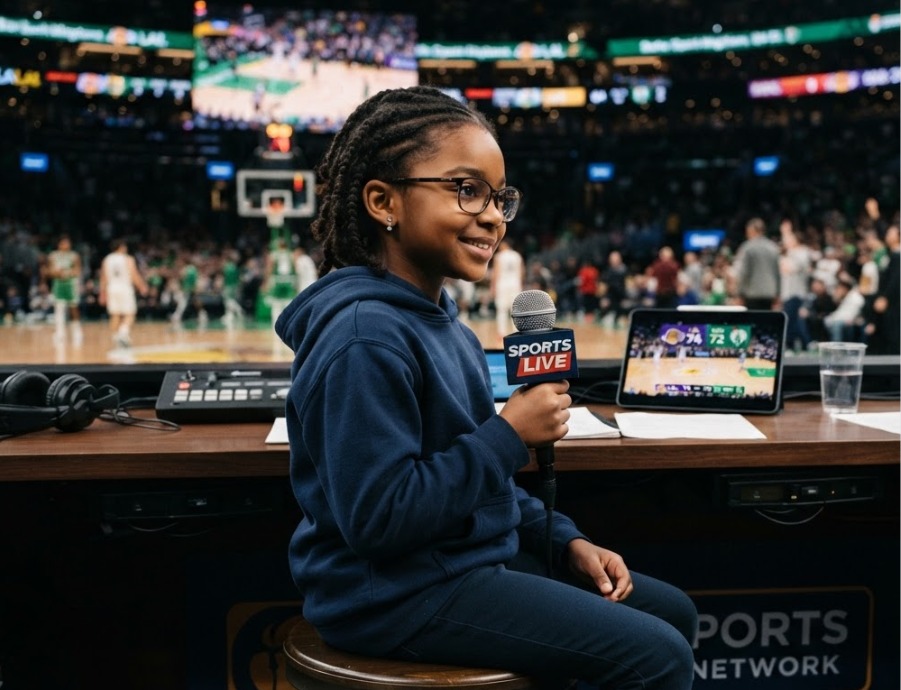
Women’s sports will likely need more play-by-play announcers, analysts, and reporters as media deals like the WNBA’s, which runs through the 2036 season, bring more games to more screens.
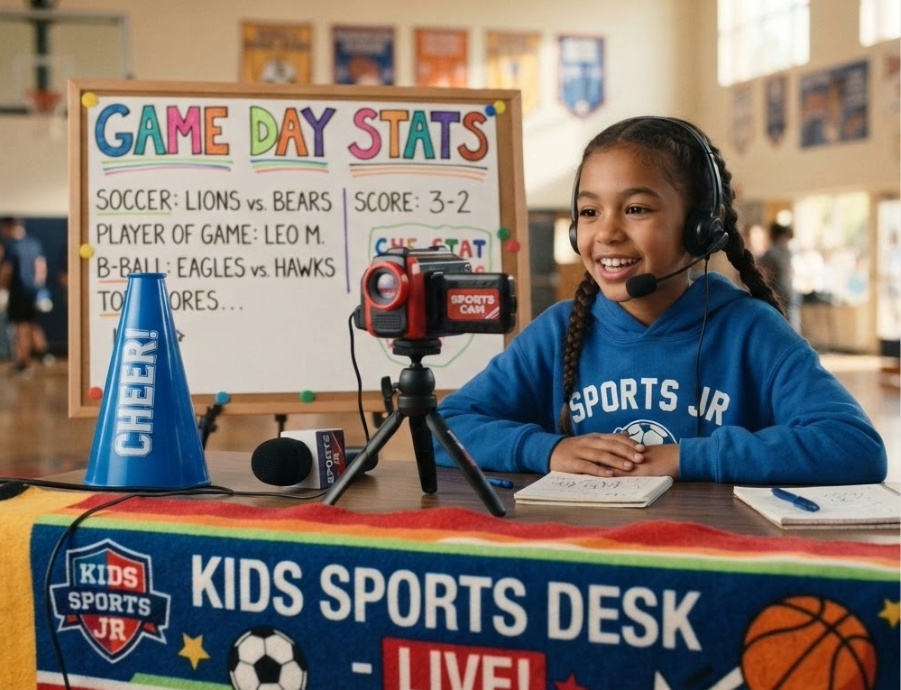
Streaming, podcasts, and alternate broadcasts will give more broadcasters ways to reach a specific audience, such as kids and families, fans of one team, or fans who speak another language.
By the mid-2030s, automated cameras and streaming tools will likely let almost any school, club, or small league broadcast its games, creating many more places for new broadcasters to build skills and an audience.
Education & Certification
Broadcast announcers typically need a bachelor’s degree in communications, broadcasting, or journalism, though some positions accept high school diplomas. Employers value hands-on experience, such as working at a school radio or television station, making announcements on a school public address system, serving as an emcee, or completing an internship. A second path is playing or coaching, since many analysts are former athletes, and leagues run training programs, such as the NFL Broadcast Boot Camp, to help current and former players build on-air skills. Entry into the field is highly competitive, and many new broadcasters must start at small stations before moving to larger markets. Announcers also need strong writing, research, and speaking skills because they usually write their own material and must stay informed about the sports and events they cover.
To Prepare...
Take speech, English, and communications or journalism courses to build the speaking, writing, and research skills that announcers use every day.
Join a school radio, television, or streaming program, or volunteer to emcee school events, to practice speaking clearly in front of an audience.
Play a sport or help a team as a scorekeeper or statistician to learn the rules, statistics, and team histories of the sports you want to cover.