
Did You Know?
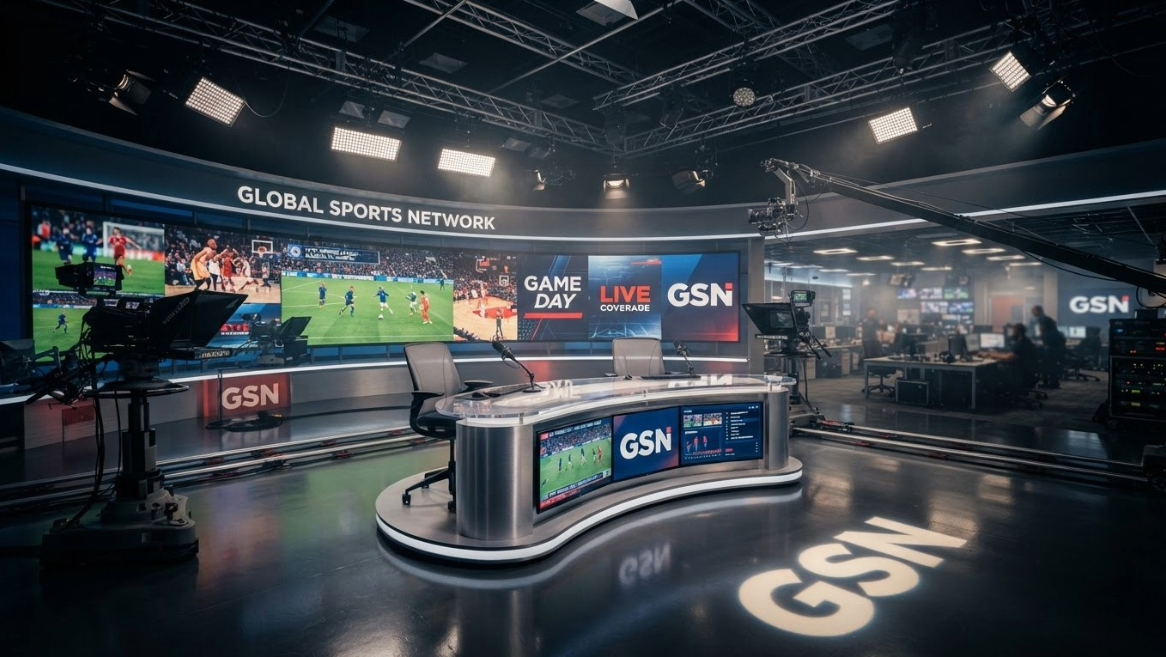
Before announcers traveled with their teams, some radio stations “re-created” road games in a studio from short telegraph reports. To make it sound real, announcers tapped a pencil for the crack of the bat while recorded crowd noise played in the background.
How to Get Started
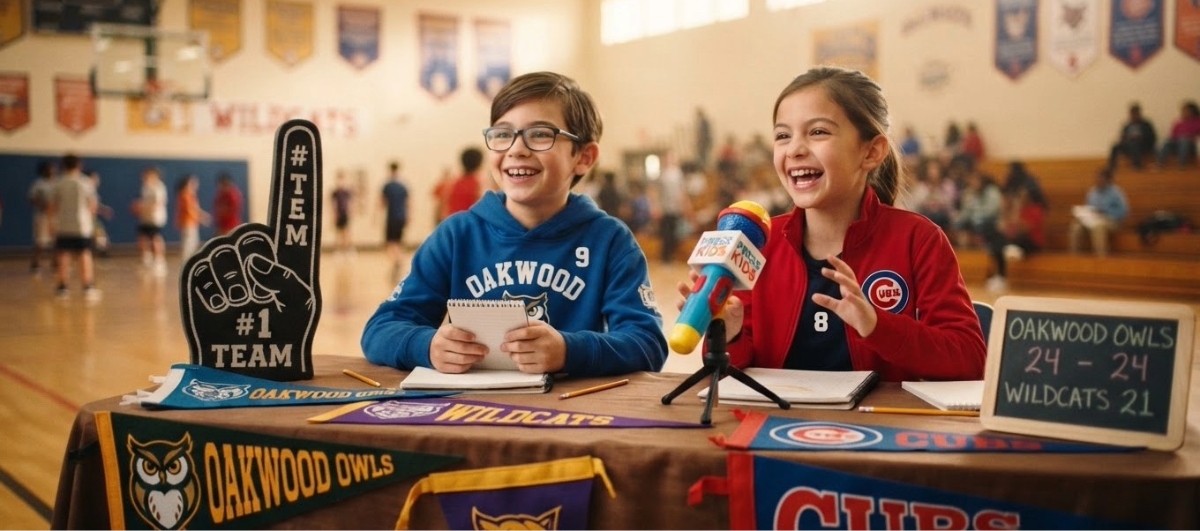
Starting as a sports broadcaster means listening closely to games and learning to describe what you hear and see so others can picture it. Early steps include building habits of noticing details, practicing out loud, and preparing facts ahead of time. Calling a game out loud, even to one friend or in an empty room, is a great place to start.
Explore the Basics
With a parent or caregiver, watch part of a game and listen for two voices, one that tells what is happening and one that explains why it happened. Pay attention to when each voice speaks and what kinds of words they use. These two jobs are called play-by-play and analysis, and sports broadcasters train for one or both of them.
Try It Out
Turn the sound off on a short game clip, or watch friends playing in the yard, and call the action out loud as it happens. Ask a parent or caregiver to record your voice on their phone, then listen back to hear which words helped you picture the play. Broadcasters practice the same way, and listening back is how they find out what to change.
Join the Community
Ask a parent or caregiver to take you to a school or community game, and listen for what the announcer says before a play, during it, and after it. Notice how the announcer shares names, scores, and the time left, and when they stay quiet to let the crowd’s noise tell the story. Afterward, tell a grown-up one thing the announcer did that you would like to try.