
Did You Know?
A French doctor, Jean-Marc Gaspard Itard, is considered the “Father of Special Education.” In the early 1800s, he worked with a boy found living alone in the forests of southern France, teaching him language and social skills at a time when many people believed children with disabilities could not learn at all.
The Numbers Behind the Career
The 2024 median annual salary for special education teachers was $65,520.
There were about 497,500 special education teachers employed in the U.S. in 2024.
About 33,200 job openings for special education teachers are projected annually over the next decade.
Where This Career Is Headed
The field of special education is being transformed by advances in neuroscience, assistive technology, and a deeper understanding of how learning differences actually work in the brain. Researchers are developing more precise ways to identify learning profiles early and match students to interventions that fit their specific needs. At the same time, schools are expanding inclusion practices, bringing students with disabilities into general education classrooms more consistently and requiring special education teachers to collaborate more closely than ever with their general education peers. As society's understanding of neurodiversity continues to grow, the expectations and opportunities for special education teachers are expanding alongside it.
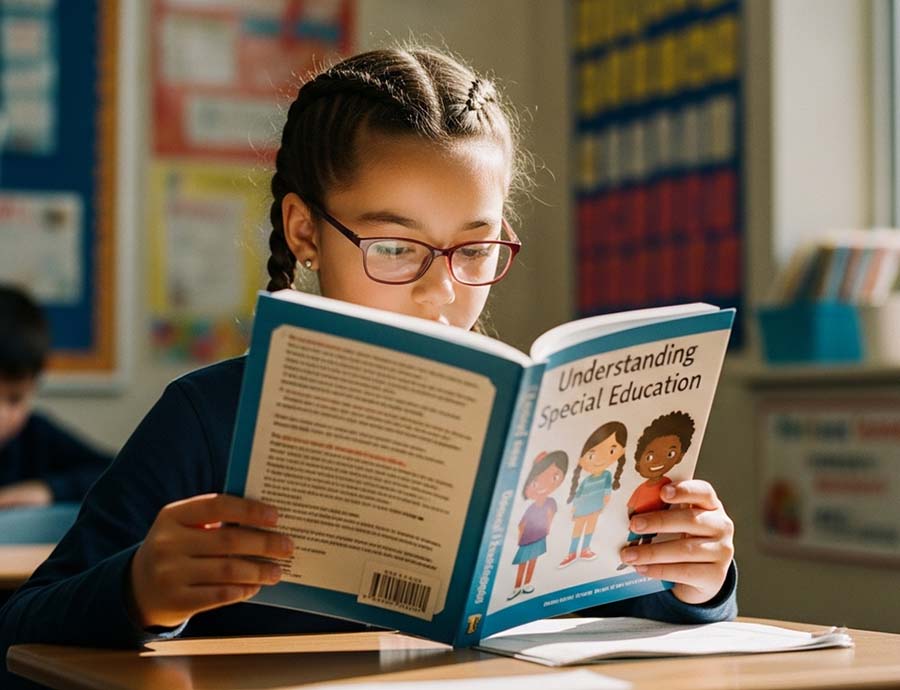
Advances in brain imaging and learning science will give special education teachers more precise tools for understanding individual students' learning profiles and tailoring instruction accordingly.
The growing field of assistive technology, including AI-powered communication devices, adaptive software, and personalized learning platforms, will expand what is possible for students with significant disabilities.
Demand for special education specialists in early intervention settings will grow as research continues to show that services provided in the first years of life produce the strongest long-term outcomes.
Education & Certification
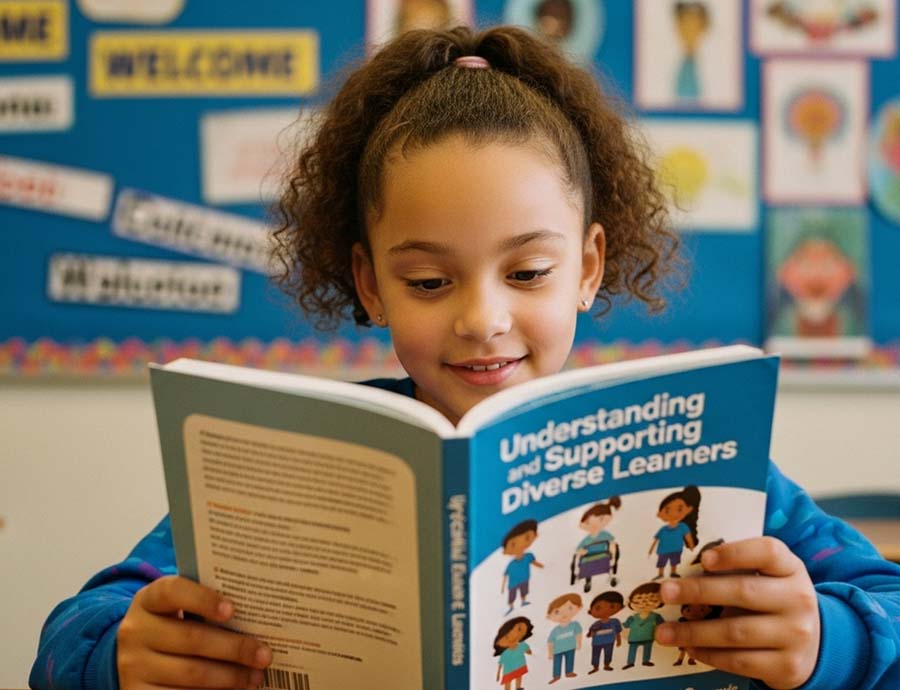
Becoming a special education teacher requires, at a minimum, a bachelor's degree in special education or a closely related field, along with a state-issued special education teaching license. Many states offer licensure in broad categories such as mild to moderate disabilities or significant support needs, while others offer more specialized endorsements for areas like autism, visual impairment, or early childhood special education. Some teachers enter the field through general education programs and add a special education endorsement through additional coursework and clinical hours. A master's degree in special education, applied behavior analysis, or educational psychology is increasingly common and can open doors to leadership, supervisory, and specialist roles. All states require a student teaching or clinical internship as part of the licensure process.
To Prepare...
Start paying attention to how different people around you learn and communicate. Notice what helps a classmate understand something that was confusing, or what makes a younger kid finally "get it." That kind of observation is exactly what special education teachers do every single day.
Look for chances to spend time with kids who learn differently, whether that is volunteering at a summer camp, helping out at an after-school program, or signing up for a peer tutoring program at your school. The more you practice patience and creative thinking with real people, the more natural it becomes.
If you are in high school, talk to a school counselor about taking a psychology or child development class. You can also look up what your state requires to become a special education teacher, because every state has its own steps, and some even have special programs designed for people who know early that this is the career they want.
Spotlight: Explore the Life of a Special Education Teacher
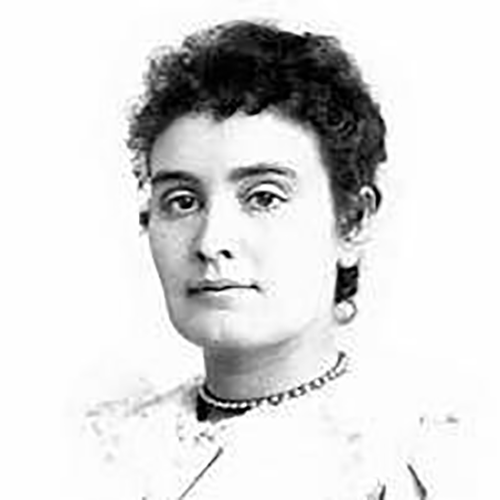
Anne Sullivan
Learn MoreExplore more resources for a future Special Education Teacher

Louis Braille: The Boy Who Invented Books for the Blind
Davidson, Margaret
Why We Picked It
Career Connection
Special education teachers develop and adapt tools to unlock learning for students with specific needs, and Braille's invention at age fifteen of a system that has endured nearly two centuries shows what finding exactly the right approach for a specific learner can ultimately accomplish.

Out of Darkness: The Story of Louis Braille
Freedman, Russell
Why We Picked It
Career Connection
Special education teachers use adaptive tools that often trace back to inventions by people with disabilities themselves, and Braille's story shows how lived experience with a challenge can produce the most effective solution to it.

Helen Keller: A Life
Herrmann, Dorothy
Why We Picked It
Career Connection
Special education teachers build relationships with their students that are often as profound and complex as the one between Helen and Annie, and this biography's honest portrayal of that bond reveals both the transformative power and the genuine difficulties of deep instructional partnership.