
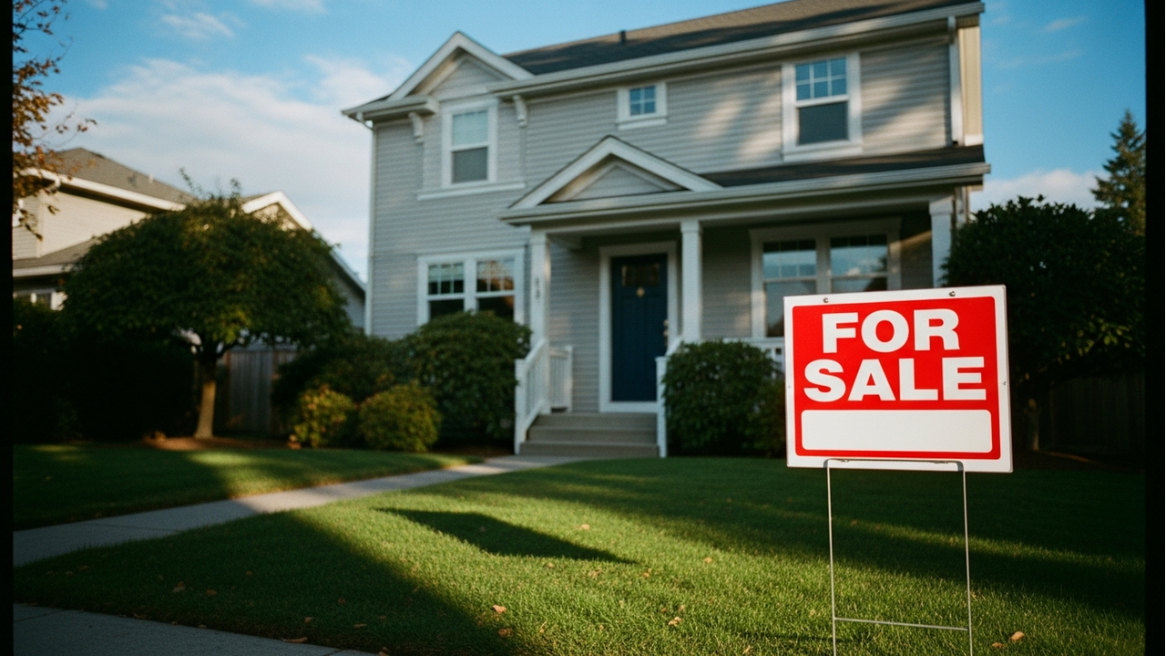
Did You Know?
If you have ever played Monopoly, you have already practiced the basics of real estate. The game was actually invented in 1903 by a woman named Elizabeth Magie specifically to teach people how property ownership, rent, and land value work in the real world.
The Numbers Behind the Career
The 2024 median annual salary for a real estate in the U.S. was $60,000, with exceptional agents earning significantly more.
About 16,000 real estate agent job openings are projected annually over the next decade.
There were about 532,000 real estate agents in the U.S. in 2024.
Where This Career Is Headed
Real estate is being shaped by technology, demographic shifts, and changing ideas about where and how people want to live and work. Digital tools have transformed how homes are searched, listed, and toured, but the need for a skilled human guide through one of life's most complex transactions has not diminished. Agents who embrace new tools while deepening their expertise in local markets and client relationships are finding that technology makes them more effective rather than replacing them. The profession is also expanding its scope as population growth, urbanization, and new models of property ownership create demand for expertise in commercial, industrial, and investment real estate alongside traditional residential work.

Agents who develop expertise in commercial real estate, including office buildings, retail spaces, warehouses, and mixed-use developments, will find a field that is broader and more complex than residential sales alone, with transactions that can reach into the tens of millions of dollars.
The growth of international buyers investing in U.S. real estate will create demand for agents who speak multiple languages and understand how property ownership works across different legal and cultural systems.
As more Americans choose to retire in new locations, agents who specialize in serving relocation clients will find a growing and loyal market with consistent long-term demand.

Education & Certification
Becoming a real estate agent does not require a four-year college degree, but it does require completing a state-approved pre-licensing education program and passing a state licensing exam. The number of required education hours varies by state, ranging from about 40 hours to more than 150 hours of coursework covering real estate law, contracts, ethics, finance, and property valuation. After passing the exam, new agents must work under a licensed real estate broker before they can operate independently. Brokers are experienced agents who have passed an additional exam and are authorized to run their own agency and supervise other agents.
Real estate extends well beyond homes. Agents who want to work in commercial real estate, advising clients on office buildings, retail spaces, industrial warehouses, hotels, and multi-family apartment complexes, often pursue additional education in finance, business, or urban planning. Many earn specialized designations, such as the Certified Commercial Investment Member (CCIM), one of the most respected credentials in commercial real estate, which requires coursework in financial analysis, market analysis, and investment decision-making. Other valued credentials include the Accredited Buyer's Representative (ABR) for residential specialists and the Certified Property Manager (CPM) for those who manage buildings and portfolios on behalf of owners. The more specialized an agent's expertise, the more complex and higher-value the transactions they can handle.
To Prepare...
Take classes in economics, personal finance, and business to build an understanding of how markets, money, and contracts work, all of which are central to both residential and commercial real estate practice.
Practice public speaking and writing by joining a debate club, writing for a school publication, or taking a speech class, since communication is the foundation of everything a real estate agent does, whether they are selling a starter home or a downtown office tower.
Explore the full range of real estate by visiting not just open houses but also commercial districts, mixed-use developments, and new construction projects with a parent or caregiver, paying attention to how different types of properties serve different kinds of buyers and communities
Spotlight: Explore the Life of a Real Estate Agent


Explore more resources for a future Real Estate Agent
Real Estate Rich For Teens: A Step by Step 30 Day Workbook & Journal: A Money Management & Investing Workbook to Learn Financial Literacy, Budgeting, ... Start by Buying Your First Property at 21)
Dullo, Sonu
Why We Picked It
Career Connection
Real estate agents help clients make some of the largest financial decisions of their lives, and building genuine financial literacy, understanding markets, evaluating properties, and thinking about long-term investment, is the foundation of doing that advisory work with real competence.

Sell It Like Serhant: How to Sell More, Earn More, and Become the Ultimate Sales Machine
Serhant, Ryan
Why We Picked It
Career Connection
Real estate agents succeed by building relationships, generating leads, and persuading clients across complex negotiations, and Serhant's direct, experience-based guidance about mastering those skills offers high-school students one of the most readable introductions to professional sales available.
Shark Tales: How I Turned $1,000 into a Billion Dollar Business
Corcoran, Barbara | Littlefield, Bruce
Why We Picked It
Career Connection
Real estate agents build their careers through relationship-building, market knowledge, and the tenacious entrepreneurial hustle that Corcoran models across every chapter of her story, making her journey one of the most instructive and entertaining blueprints in the profession.