
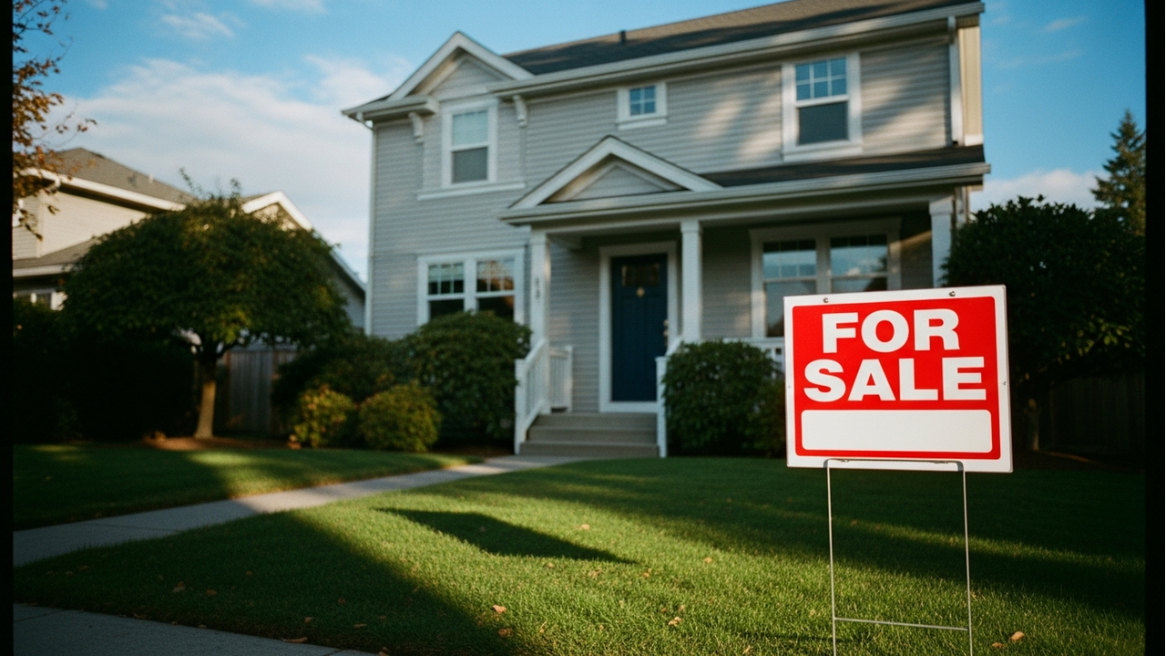
Did You Know?
If you have ever played Monopoly, you have already practiced the basics of real estate. The game was actually invented in 1903 by a woman named Elizabeth Magie specifically to teach people how property ownership, rent, and land value work in the real world.
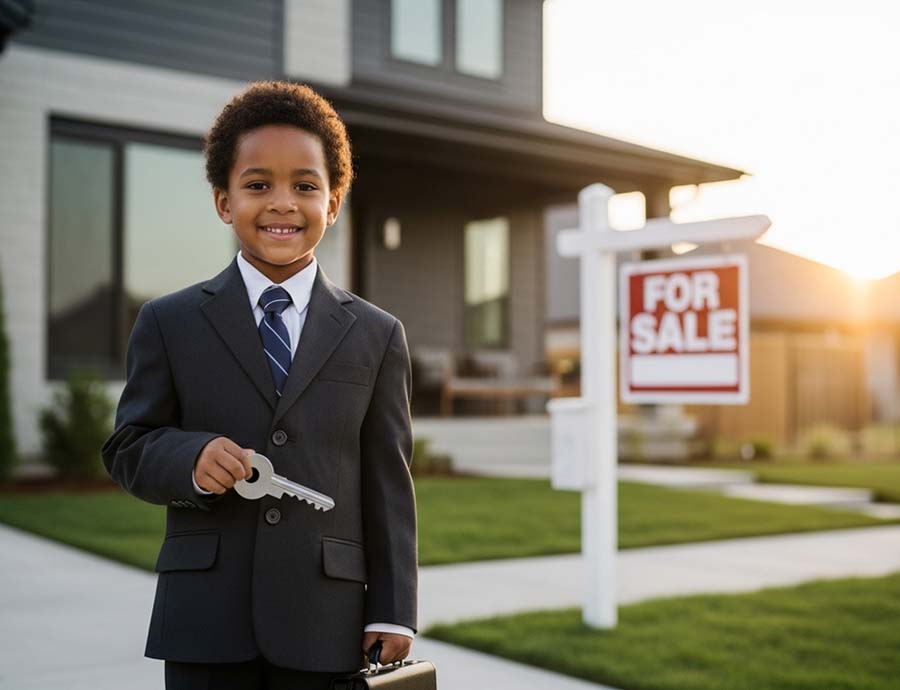
What Real Estate Agents Really Do
Imagine your family decided to purchase a new home. There are so many questions: How much does the house cost? Is the neighborhood safe? Are there good schools nearby? How do you even make an offer? That is where a real estate agent comes in. A real estate agent is like a guide who helps people buy, sell, or rent homes and buildings. They know their communities inside and out, from which streets have the best parks to how much a house with a big backyard usually costs.
Real estate agents spend a lot of time talking to people and listening carefully to what they need. One family might need a big yard for their dog. Another person might want to live close to work. A good agent takes all of those wishes and helps match people with the right home. When everyone signs the paperwork and the keys finally change hands, the agent has helped make one of the biggest moments in a family's life happen.
You Might Love This If...

Skills That Follow You Everywhere
Real estate agents develop skills that go far beyond showing homes and closing deals. They learn to communicate with clarity and empathy, think critically when deals become complicated, and manage their time in a career where no one sets their schedule for them. These abilities transfer into virtually any profession that depends on trust, strategy, and strong people skills.
Time Management
Real estate agents are their own bosses in many ways, which means no one else is managing their schedule. Successful agents juggle multiple clients, overlapping transaction timelines, weekend showings, and constant communication, all while prospecting for new business at the same time. Strong time management is what separates agents who thrive from those who get overwhelmed. Learning to prioritize, block time effectively, and protect space for both client work and business development is one of the most important skills in this profession.
Adaptability
No two transactions follow the same path. A deal that looks clean on paper can suddenly hit a problem when the inspection reveals a leaky roof, or when a competing offer comes in the night before closing. Real estate agents have to pivot quickly, recalibrate their advice, and keep their clients calm when the unexpected happens. Agents who can shift strategies without losing focus are the ones who close deals that others give up on, and who clients call again the next time they need to move.
Empathy
Buying or selling a home is rarely just a financial decision. It is often tied to a major life change: a new job, a growing family, a divorce, a death, or a fresh start in a new city. Real estate agents who lead with empathy understand that their clients are not just making a transaction. They are navigating something deeply personal. Listening carefully, reading what a client is feeling even when they cannot fully articulate it, and responding with patience rather than pressure builds the kind of trust that leads to lasting relationships and referrals for years to come.
Explore more resources for a future Real Estate Agent

"Little landlords: Real Estate 101 For Kids!"
MCMILLIAN, TRAS G.
Why We Picked It
Career Connection
Real estate agents help clients evaluate properties as both financial assets and community investments, and understanding property's role in individual wealth-building and neighborhood development gives young readers the foundational perspective the profession depends on.