Did You Know?
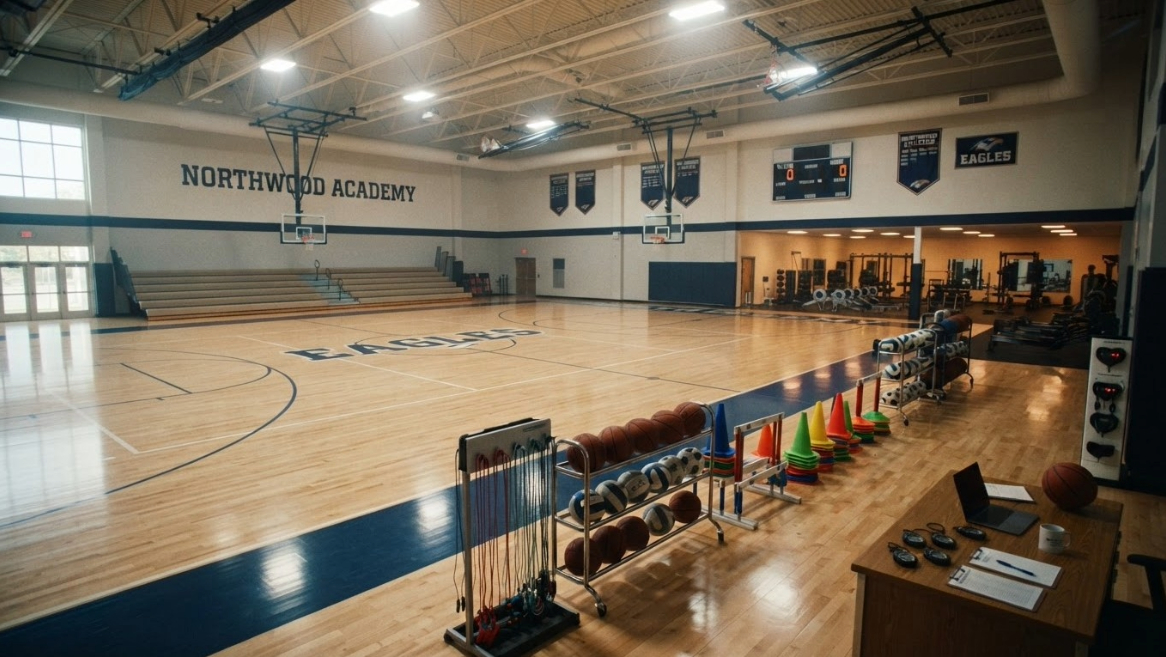
A YMCA physical education director in Holyoke, Massachusetts, invented volleyball in 1895 because he thought basketball was too tiring for older men. Its first name was “Mintonette.”
The Numbers Behind the Career
The median annual salary for high school teachers in the U.S. as of 2025 was $72,040.
About 63,500 high school teacher job openings are projected each year over the next decade.
There were about 1,087,500 high school teacher jobs in the U.S. in 2025. The Bureau of Labor Statistics does not have an occupational category for PE Teachers.
Where This Career Is Headed
Over the next decade, hotter weather, fewer students, and new technology may shape PE. Extreme heat is already leading some schools to cancel outdoor activities, keep students inside, or move gym class indoors, and a 2020 federal report found that about 41 percent of school districts needed to update or replace the heating, ventilation, and air conditioning systems in at least half of their schools. Public school enrollment is projected to fall from 49.6 million students in 2022 to 46.9 million in 2031, and some large districts are already considering closing or merging schools. In the gym, some PE classes use heart rate monitors so students can see how hard they are working, and the national PE standards, updated in 2024, give social skills their own standard alongside motor skills, knowledge of movement and fitness, and personal skills.

Teachers who can run strong lessons in small indoor spaces, like dance, yoga, and movement games, can keep students active when heat keeps classes inside.
Heart rate monitors and fitness apps can help teachers give each student personal feedback, even in a full class.
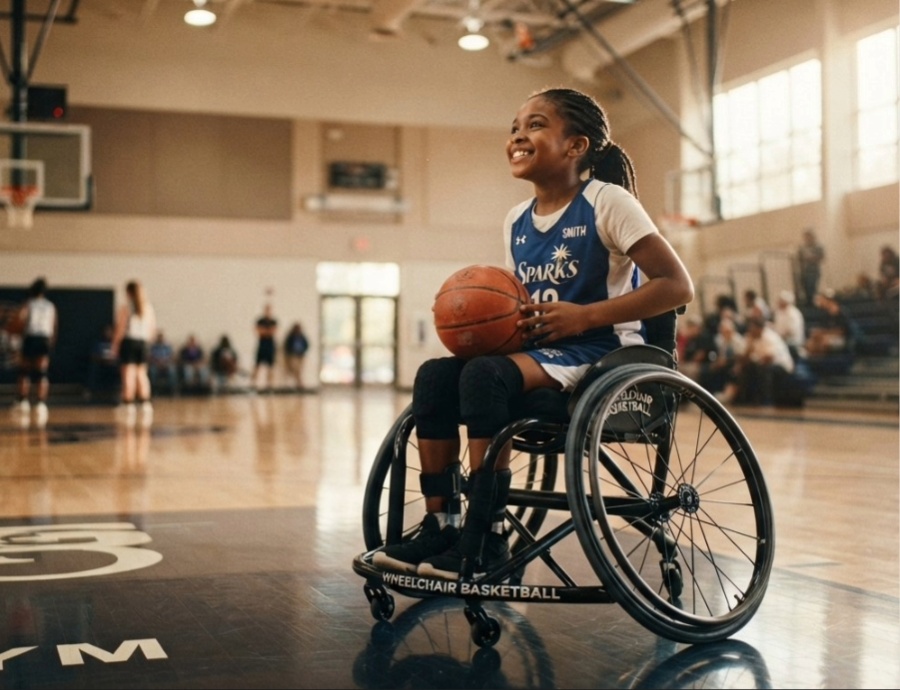
Training in adapted physical education, such as the Certified Adapted Physical Educator credential, can help teachers serve students with disabilities and every other student in the gym.
Education & Certification
Public school PE teachers need at least a bachelor’s degree, often earned through a physical education teacher program within a kinesiology or exercise science department. Coursework covers how the body moves, how kids build movement skills, teaching methods, and adapted physical education for students with disabilities, along with student teaching in a real school. Some universities offer a five-year path that pairs a bachelor’s degree in kinesiology with a master’s degree in teaching, and some states require teachers to earn a master’s degree after they are hired. Public school PE teachers must also hold a state teaching license, and while the steps vary by state, they generally include student teaching, a background check, and tests of general teaching skills and physical education knowledge, such as the Praxis exams in states that use them. Teachers who want to specialize in working with students with disabilities can earn the Certified Adapted Physical Educator (CAPE) credential, which requires special coursework, at least 200 hours of experience teaching PE to students with disabilities, and a passing score on the Adapted Physical Education National Standards (APENS) exam. Most teachers must also complete professional development classes to keep their license, so learning continues throughout a PE teacher’s career.
To Prepare...
Take health, biology, and any PE or fitness electives to build knowledge of how the body works and moves.
Get First Aid and CPR certified through a local class when you are old enough, since some PE teacher programs require it.
Join Educators Rising if your school has a chapter. It is a national student organization with middle and high school chapters that gives students hands-on teaching experience.