
Did You Know?
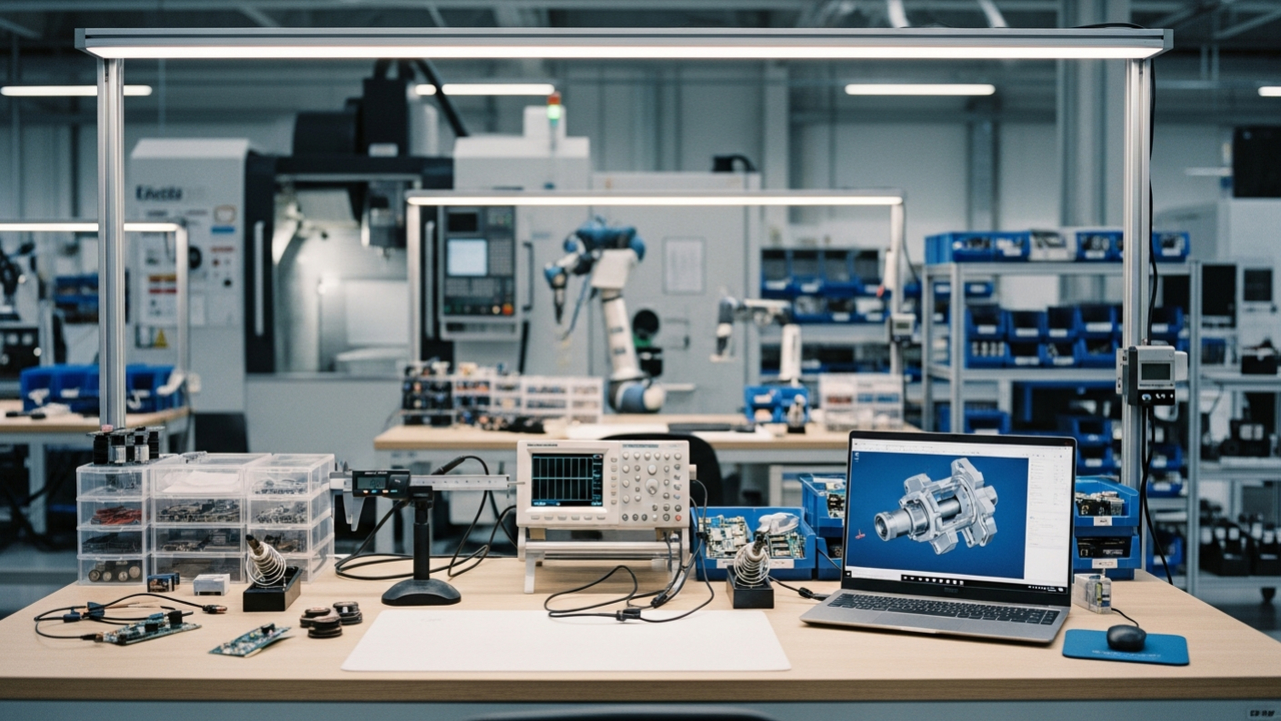
A modern automobile contains roughly 30,000 individual parts. Manufacturing engineers figure out how to source, shape, assemble, and inspect every single one of them so that the finished car rolls off the line safely, reliably, and affordably.
How to Get Started
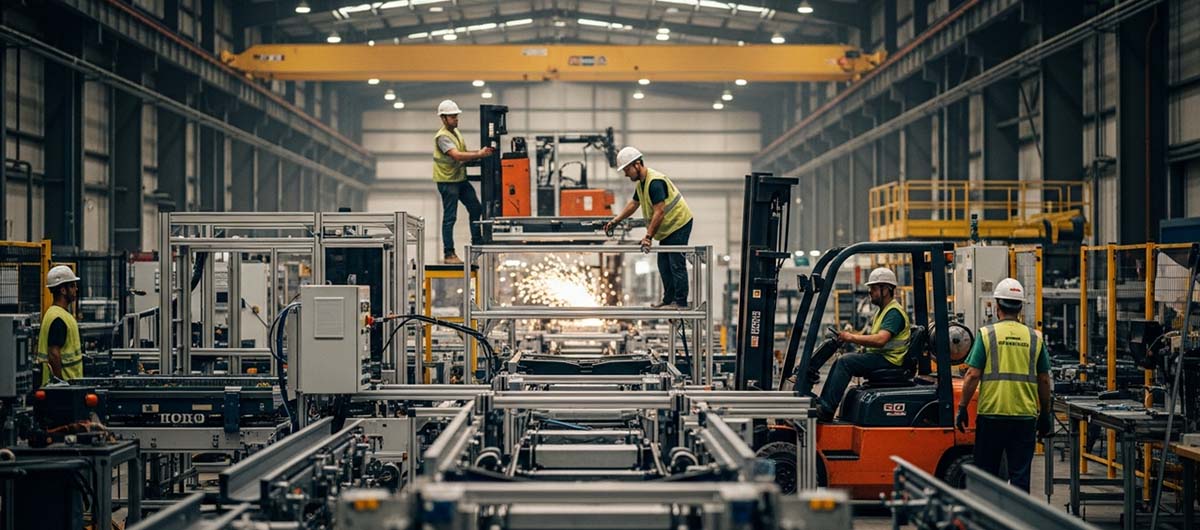
Getting started toward a career in manufacturing engineering begins with building things, understanding how products are made, and developing the math, science, and problem-solving skills that manufacturing engineers use every day.
Explore the Basics
Pick any object in your home, a pencil, a cereal box, a shoe, or a toy, and try to figure out how it was made. What materials is it made from? How were the pieces shaped? How were they connected? Could you take it apart and put it back together? With a parent, watch a "How It's Made" video on YouTube for an item you use every day. Notice how many steps, machines, and workers are involved in producing something that seems simple.
Try It Out
Try a simple assembly-line experiment with your family or friends. Choose something to "manufacture" in quantity, like paper airplanes, origami cranes, or decorated cards. First, have one person make ten of the item from start to finish, timing how long it takes. Then divide the process into steps and assign each step to a different person, creating your own mini assembly line. Time how long it takes to produce ten items this way and compare. You will almost certainly find that the assembly line is faster, and you will understand why Henry Ford's idea was so powerful.
Join the Community
Visit a local factory, maker space, or manufacturing facility with a parent if tours are available. Many manufacturing companies, especially those involved in community programs, offer open house events or school group tours. If no tours are available near you, explore virtual factory tours online. Companies like Tesla, Boeing, and John Deere have published video tours showing how their products are made. Ask your parent to help you find "How It's Made" or "Factory Tours" video series, which show real manufacturing processes in action.
How to Become a Manufacturing Engineer
Explore more resources for a future Manufacturing Engineer

3D Printing and Maker Lab for Kids: Create Amazing Projects with CAD Design and STEAM Ideas (Volume 22)
Sequeira, Eldrid
Why We Picked It
Career Connection
Manufacturing engineers increasingly use 3D printing for rapid prototyping and custom part production, and learning to design and print physical objects gives young students a hands-on introduction to the additive manufacturing process the industry is adopting at growing speed.

Henry Ford Book for Curious Kids: Exploring the Ingenious Mind Behind the Automobile Revolution (Great Minds for Curious Kids)
Lylani, Eric
Why We Picked It
Career Connection
Manufacturing engineers design production systems that build things efficiently at scale, and Ford's invention of the moving assembly line is the field's most famous example of what systematic process innovation can achieve.
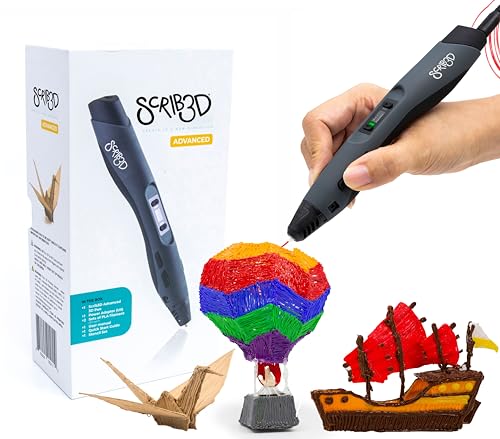
SCRIB3D Advanced 3D Printing Pen with 20 Feet of Filament, Stencil Book, and Project Guide
Why We Picked It
Career Connection
Manufacturing engineers design physical objects before committing them to production, and building structures by hand with a 3D pen develops the spatial reasoning and material thinking that make someone effective at designing parts for real manufacture.