
Did You Know?
A "freelance" journalist doesn't work for one company. They pitch stories to newspapers, websites, radio stations, and magazines, choosing what they cover and who they work with.

What Journalists Really Do
A journalist is someone who finds true stories and shares them with the world. They ask questions, talk to people, dig up facts, and then write or tell those stories so everyone can understand what's happening. Journalists might report on a big storm heading toward your town, a local kid who did something amazing, or what's happening at the school board meeting. They work for newspapers, TV stations, websites, and radio shows, and their job is to make sure people know the truth about what's going on around them.
Imagine being the person who gets to visit the scene of a breaking news story, interview a firefighter about a rescue, or ask the mayor tough questions at a press conference. Journalists use notebooks, cameras, microphones, and computers to collect and share information. Every day is different because the news is always changing. If you're the kind of person who's always asking "why?" and "what happened?" and you love telling other people what you found out, you might love being a journalist!
You Might Love This If...

Skills That Follow You Everywhere
Being a journalist helps you develop important skills that are useful in many careers, such as communication, critical thinking, and teamwork. Journalists learn how to ask strong questions, evaluate information carefully, and explain ideas clearly to different audiences. These skills work together every day as journalists collaborate with others to report accurate, meaningful stories.
Critical Thinking
Critical thinking is essential for journalists because it helps them report accurate information. Journalists carefully examine sources, ask smart questions, and verify details to ensure the information is accurate. By thinking like a detective and reviewing all the clues, they can avoid mistakes and share reliable news that people can trust.
Time Management
A journalist uses time management to juggle researching, interviewing, writing, and meeting deadlines. They prioritize the most important tasks first, such as gathering facts or finishing a story on time. Creating a schedule helps journalists stay organized, avoid procrastination, and publish news when it matters most.
Communication
A journalist uses communication skills to clearly share information through writing, speaking, or reporting so others can understand important stories. They also practice active listening by paying close attention during interviews and asking follow-up questions to fully understand what people are saying. These skills help journalists build trust, speak confidently, and connect with people from different backgrounds.
Explore more resources for a future Journalist

Ida B. the Queen: The Extraordinary Life and Legacy of Ida B. Wells
Michelle Duster
Why We Picked It
Career Connection
Investigative journalists expose wrongdoing and hold powerful institutions accountable, and Wells pioneered that same fearless, evidence-based reporting that defines the profession's highest purpose.
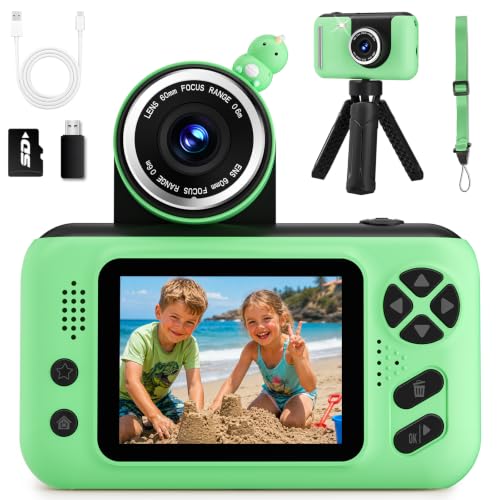
Makolle Kids Camera, Birthday Gifts for Boys and Girls Age 3-8, Green
Why We Picked It
Career Connection
Photojournalists and multimedia reporters document stories through images and video, and this camera lets kids build the same visual storytelling habit that drives modern digital journalism.

The Writer's Toolbox: Creative Games and Exercises for Inspiring the 'Write' Side of Your Brain (Writing Prompts, Writer Gifts, Writing Kit Gifts)
Callan, Jamie Cat
Why We Picked It
Career Connection
Journalists overcome writer's block and generate fresh angles under deadline pressure, and this toolbox builds the same creative flexibility and rapid-ideation skills that working writers rely on daily.