

Did You Know?
If you had invested $1,000 in Amazon when it first went public in 1997, that investment would be worth more than $2 million today, without ever adding another dollar!

How to Get Started
Getting started in investment analysis begins with curiosity about how money works and a willingness to learn about businesses, markets, and the economy. Tracking companies you find interesting, practicing with stock simulations, and building strong math and reading habits are all early steps. The path into this field rewards people who combine sharp analytical thinking with the discipline to keep learning across a long career.
Explore the Basics
Start by learning what a stock is: a small piece of ownership in a real company. Pick a company whose products you use every day, like a toy brand, a sports team, or a food company, and find out if it is publicly traded. Talk with a parent or caregiver about what it would mean to own a tiny piece of that company and why someone might want to. Books like How to Turn $100 into $1,000,000 make these concepts fun and approachable.
Try It Out
Play a stock market simulation game like "The Stock Market Game" offered through the SIFMA Foundation, which is free for many schools. Pick a few pretend companies to invest in, track their prices over a few weeks, and try to figure out why the prices went up or down. Keep a simple notebook recording your choices, what happened, and what you learned from each decision.
Join the Community
Ask a parent, grandparent, or family friend who works in finance or business if they would be willing to spend 15 minutes explaining what they do with money. Junior Achievement programs, available through many schools and community organizations, also offer free financial literacy workshops designed for elementary-age students that make money concepts hands-on and fun.
How to Become a Investment Analyst
Explore more resources for a future Investment Analyst

Investing for Kids: How to Save, Invest, and Grow Money
Redling, Dylin | Tom, Allison
Why We Picked It
Career Connection
Investment analysts understand that the earlier money is put to work, the harder it grows over time, and introducing kids to compound interest and stock ownership at a young age builds the financial instincts that serious investing depends on.

The Psychology of Money: Timeless lessons on wealth, greed, and happiness
Housel, Morgan
Why We Picked It
Career Connection
Investment analysts need to understand not just financial models but the human psychology that moves markets, and this book's exploration of how fear, greed, and optimism shape investment behavior is one of the most valuable perspectives any analyst can develop.
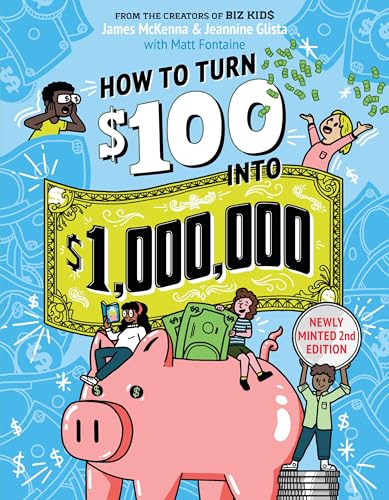
How to Turn $100 into $1,000,000: Newly Minted 2nd Edition
McKenna, James | Glista, Jeannine
Why We Picked It
Career Connection
Investment analysts understand that wealth grows through patient, consistent investing over time, and this guide introduces young readers to the most fundamental ideas behind that process: how money works, how to save it, and how to put it to work growing.