
Did You Know?
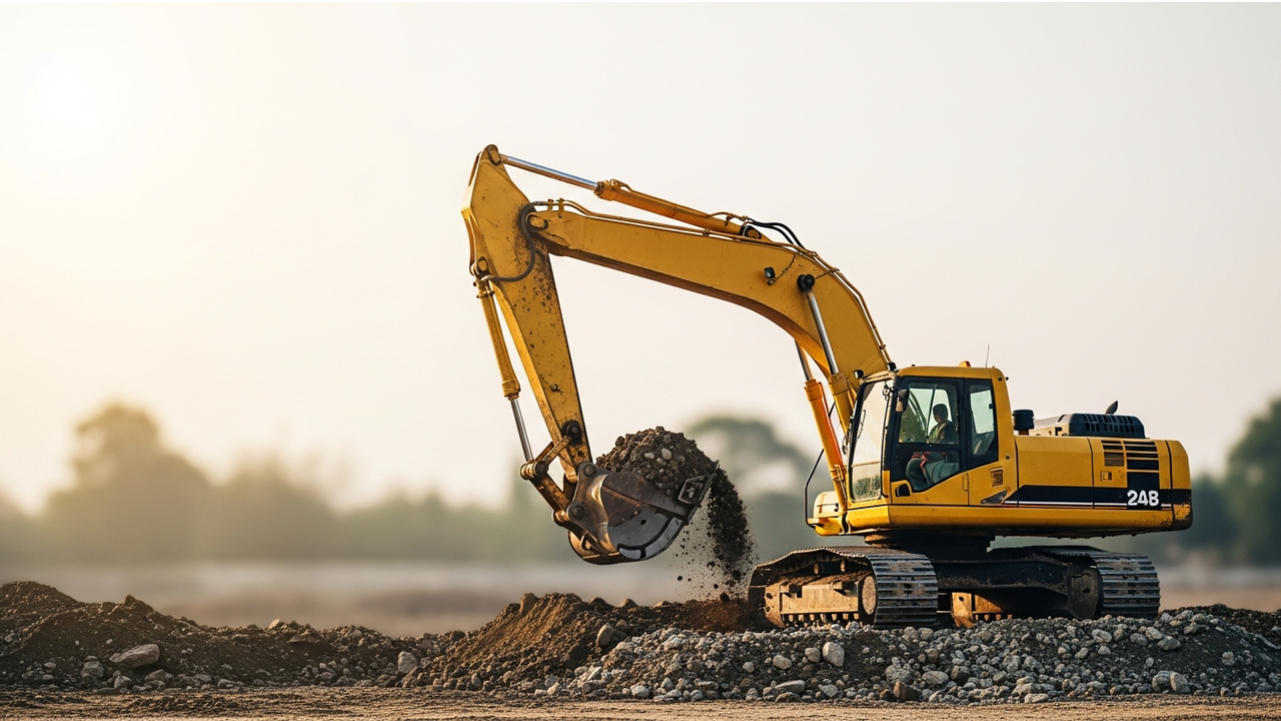
A skid steer loader can spin in a complete circle without moving forward or backward. This zero-radius turning ability makes it one of the most agile machines on a construction site, able to work in tight spaces where larger equipment cannot fit.
How to Get Started
Getting started toward a career as a heavy equipment operator begins with understanding how machines interact with the ground, developing spatial reasoning and mechanical awareness, and building the problem-solving habits that operators rely on every day.
Explore the Basics
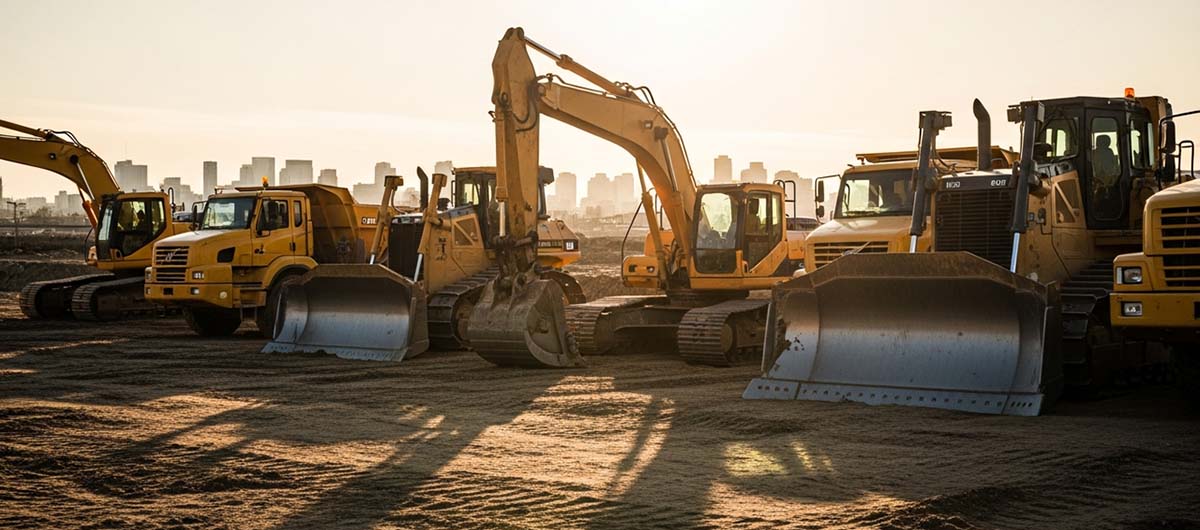
The next time you pass a construction site with a parent, stop safely nearby and watch the machines at work. Try to identify each one: the excavator has a long arm with a bucket at the end, the bulldozer has a wide blade on the front, and the loader has a big scoop. Watch how the operator moves the machine and notice how smoothly they control it. When you get home, draw a picture of the construction site from memory and label each machine you saw. Talk with your parent about what job each machine was doing and why you think the operator chose that particular machine for that task.
Try It Out
Set up a backyard or sandbox construction site. Use toy excavators, bulldozers, and dump trucks (or household items like cups and spoons as substitutes) to plan and build a small project: a road, a building foundation, or a hill. Before you start, make a plan. Decide where the road should go, where you need to dig, and where the extra dirt should be piled. Practice moving material from one spot to another as efficiently as possible, just like a real operator would. This is the same kind of spatial thinking and planning that heavy equipment operators do every day, only they are working with machines that weigh thousands of pounds instead of a toy.
Join the Community
Ask a parent to help you find a “big truck day” or a “touch-a-truck” event in your community. These events are often held by local fire departments, parks departments, or community organizations and allow kids to climb on real machines, including construction equipment, fire trucks, and utility vehicles. If you know anyone who operates heavy equipment, ask your parent if you can talk to them about what they do. Good questions include what their favorite machine is to operate, what surprised them about the job, and what they built that they are most proud of. You can also visit a hardware or equipment rental store and ask to look at small machines like a mini excavator or skid steer.
How to Become a Heavy Equipment Operator
Explore more resources for a future Heavy Equipment Operator
Mike Mulligan and His Steam Shovel 75th Anniversary
Burton, Virginia Lee
Why We Picked It
Career Connection
Heavy equipment operators work closely with powerful machines every day, guiding them with skill and instinct, and Mike's proud partnership with Mary Anne captures that same operator spirit: knowing your machine and pushing it to do its best work.

Divided Highways: Building the Interstate Highways, Transforming American Life
Lewis, Tom
Why We Picked It
Career Connection
Heavy equipment operators built and continue to maintain the interstate highways this book chronicles, and understanding the scale and ambition of that construction effort reveals just how consequential the work of the people operating those machines truly was.

Mike Mulligan and More
Burton, Virginia Lee
Why We Picked It
Career Connection
Heavy equipment operators are the people behind the machines that keep communities moving through every season, and Burton's storytelling gives young readers a sense of the purpose and personality behind the work.