Did You Know?
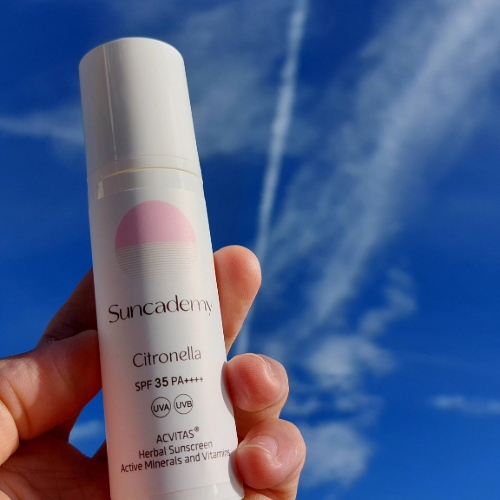
Even on cloudy days, up to 80 percent of the sun’s harmful UV rays can get through the clouds. That is why you can still get sunburned on a gray day.
The Numbers Behind the Career
There were about 104,200 skincare specialist jobs in the U.S. in 2025.
About 14,200 job openings fore skincare specialist are projected annually over then next decade.
The 2025 median annual salary for skincare specialist was $45,330.
Where This Career Is Headed
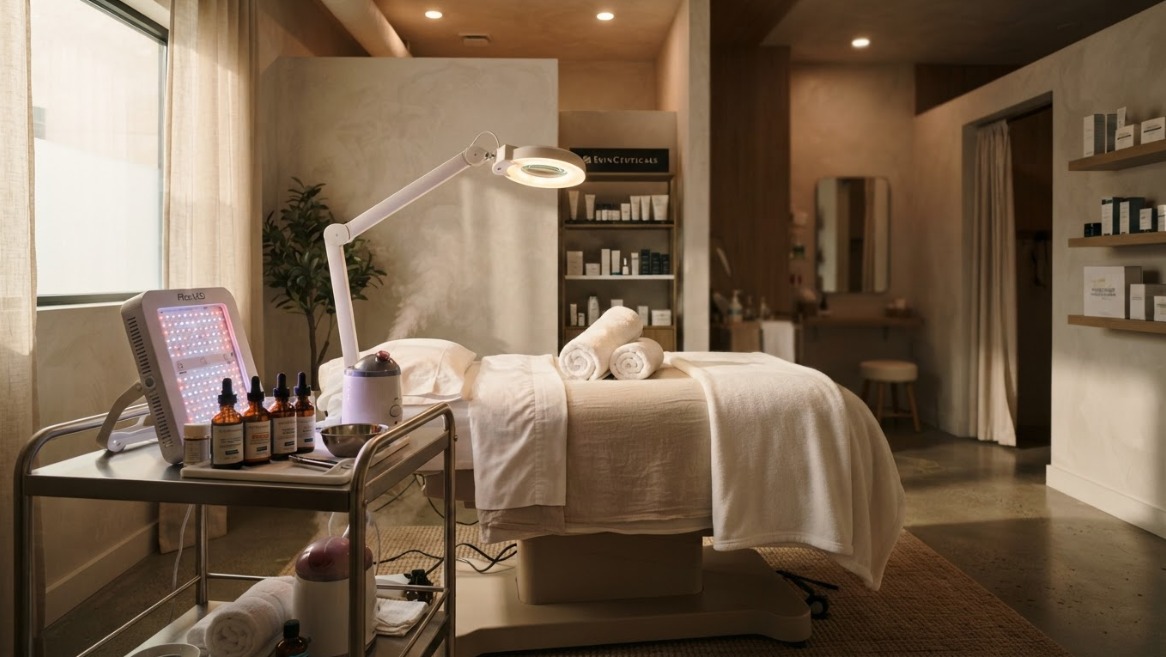
By the mid-2030s, skin care will likely sit closer to health care, with more estheticians working alongside doctors and trained to notice skin changes that should be checked. Skin scanners that photograph the face and measure moisture, oil, and sun damage will likely become standard tools that keep a record for each client, though a person will still decide what the numbers mean. Routines built from a client’s own skin readings, climate, and habits will likely replace one-size-fits-all products. As today’s online skin care trends reach a new generation, estheticians will likely lead more lessons on gentle routines that fit young skin. The estheticians who pair scientific knowledge with kindness and clear explanations will be the ones clients trust.
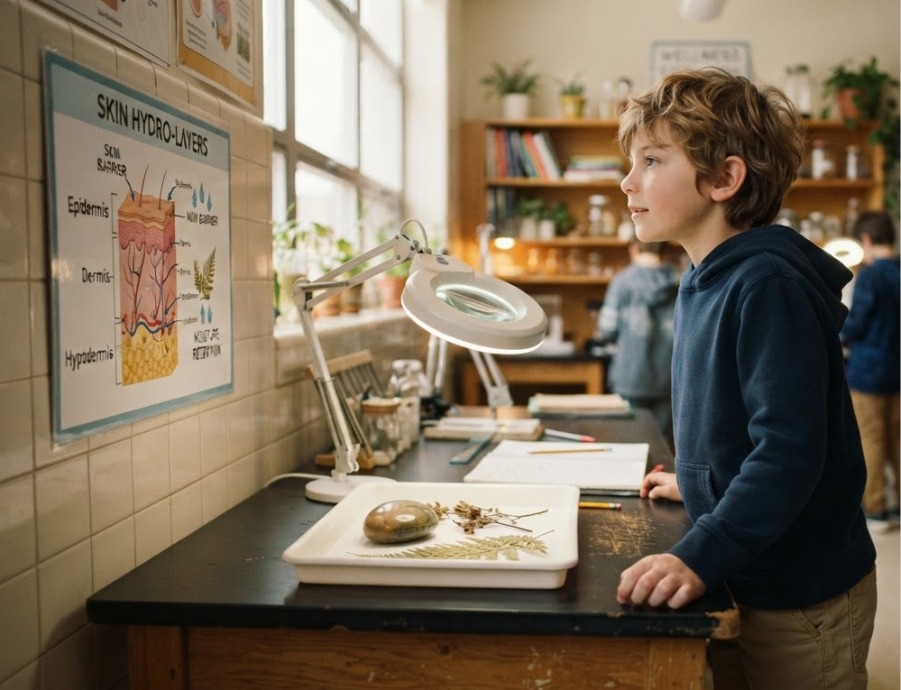
Specialties will likely grow around specific needs, such as teen skin care, older adults, athletes, or people recovering from medical treatments, creating roles for estheticians who focus on one group.
As awareness of sun damage and skin cancer grows, schools, sports programs, and workplaces may bring in estheticians to teach sun safety.
New light-based and device-based treatments will likely require estheticians trained to use them safely and explain them clearly.
Education & Certification
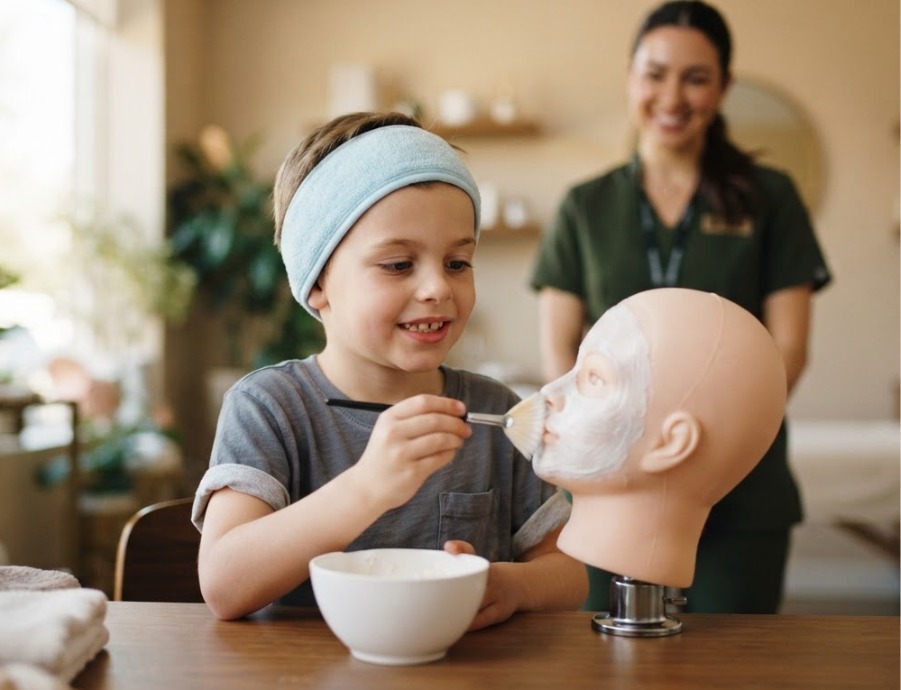
Estheticians typically must complete a state-approved cosmetology or esthetician program and pass a state exam, including a written and a practical test, to become licensed. A college degree isn't required, and most people train at a postsecondary vocational school, though some high schools offer vocational training. Licensing requirements vary by state, so prospective estheticians should check with their state licensing board. Many states offer continuing education to keep estheticians current, and manufacturers, associations, and trade shows provide additional training on new techniques and products. In some states, licensed estheticians may be able to transfer their license to another state through reciprocity agreements, without repeating all formal training or testing.
To Prepare...
Take science courses such as biology, chemistry, and anatomy to build the foundation for understanding skin and how products work.
Check your state's licensing board to learn the training and exam requirements for estheticians, since they vary by state.
Build customer-service and communication skills through clubs, volunteering, or part-time work with the public, and practice careful, tidy habits, since cleanliness is central to the job.