Did You Know?
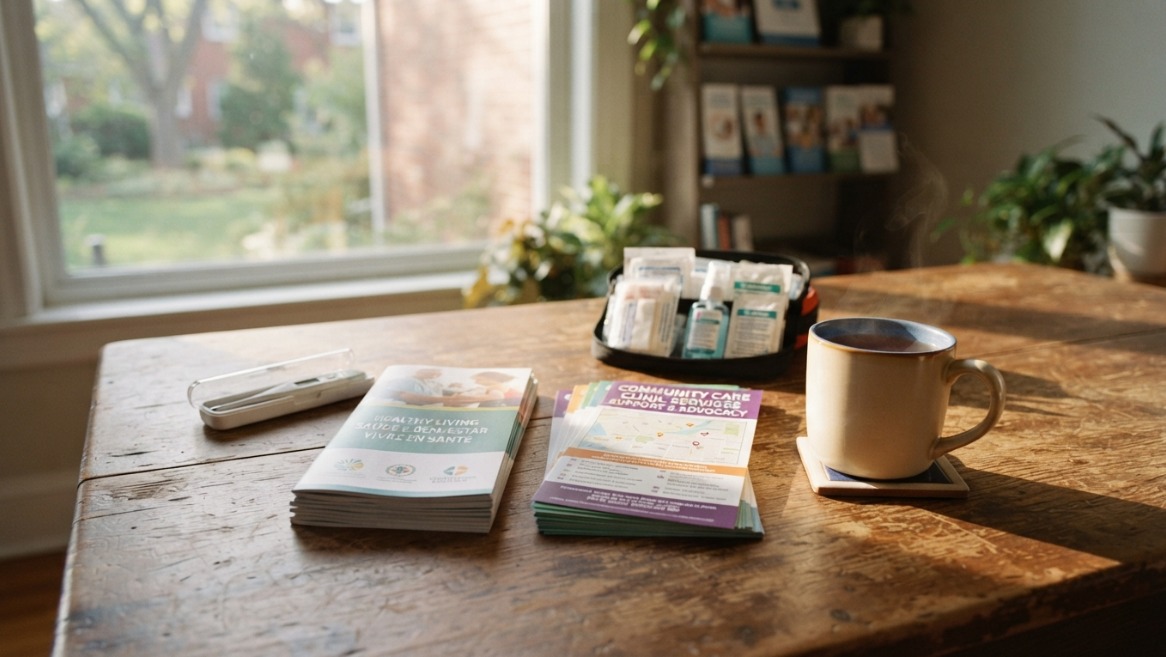
A community health worker's "office" might be a doctor’s office, a kitchen table, a school gym, a church basement, or a front porch, wherever people need care or need to talk about their health.
The Numbers Behind the Career
About 65,100 community health workers are employed across the United States.
The median salary of a community health workers is $51,030.
About 7,800 openings for community health workers are projected each year over the next decade.
Where This Career Is Headed
The community health field is growing quickly as hospitals, insurers, and public health agencies recognize that trusted messengers can improve health outcomes. Telehealth and mobile apps are giving community health workers new tools to check in with families remotely, track health information, and connect people to services without always needing an in-person visit. At the same time, artificial intelligence is starting to help identify which neighborhoods or individuals may need outreach first, spot patterns in community health data, and reduce paperwork so workers can spend more time with people. Even as technology expands, the heart of the job, sitting with someone and earning their trust, is something no algorithm can replace, which means demand for skilled, empathetic community health workers is expected to keep growing over the next decade.

Expanding telehealth and remote monitoring tools will let community health workers reach more families in rural or underserved areas without requiring travel for every visit.
Growing recognition of health equity as a public health priority is creating new, often publicly funded, community health worker positions in hospitals, clinics, and health departments.
Simple data tools and apps are making it easier for community health workers to track outreach and show the impact of their work, which can lead to stronger funding and more advancement opportunities.

Education & Certification
Community health workers usually need a high school diploma or its equivalent, and many enter the field through short certificate programs offered by community colleges, health departments, or community organizations rather than a four-year degree. Some states require or encourage a formal certification, which typically involves a training program covering basic health knowledge, communication skills, and local resources. Because trust and lived experience matter so much in this work, many community health workers come from the same neighborhoods they serve and bring personal or family experience with the health challenges they help others navigate. On-the-job training and mentorship from more experienced community health workers are also a major part of learning the role. Advancement often comes through experience, additional certifications, or further education in public health, nursing, or social work.
To Prepare...
Take classes in health, biology, and communications or speech to build a foundation in both health knowledge and clear communication.
Volunteer with local nonprofits, food pantries, or community organizations to practice listening, helping, and connecting people to resources.
Look into community health worker certificate programs at local community colleges, which often take a few months to a year and can lead directly into the field.