
Did You Know?
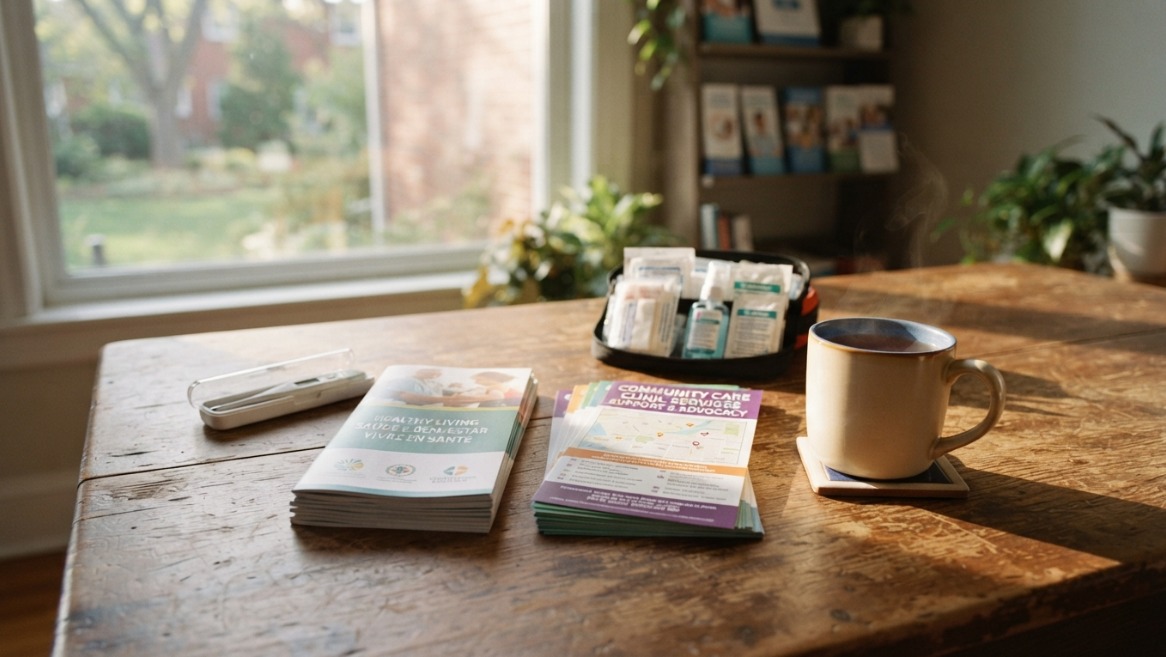
A community health worker's "office" might be a doctor’s office, a kitchen table, a school gym, a church basement, or a front porch, wherever people need care or need to talk about their health.
What Community Health Workers Really Do
Imagine your neighbor is worried because her son has a bad cough, and she doesn't know where to go for help. You could be the person who walks over, sits down at her kitchen table, and helps her figure out what to do next. You help her find a doctor who speaks her language and understands her family. A few weeks later, you check back in to see how her son is feeling. By the end, she feels a lot less alone, and her son gets the treatment he needs to feel better. That is what community health workers do every day: they help neighbors find health care and support.
Thinking as a community health worker starts with caring about the people around you. Why does your friend seem tired all the time? What happens when a family does not have a car to get to the doctor? How can you help someone feel brave enough to ask their doctor the right questions about their health? Community health workers love listening to people's stories and helping them find the right kind of help. If you like checking on a friend who is sick or thinking about ways to stay healthy, you are already thinking like a community health worker.
You Might Love This If...
Skills That Follow You Everywhere
Being a community health worker builds skills that reach far beyond any single conversation or home visit. Every day on the job calls for understanding people deeply, explaining things clearly, and figuring out real solutions to real problems. These abilities serve community health workers well throughout their careers and help people live healthier lives through education and treatment plans.
Problem-Solving
Every family a community health worker meets comes with a different set of circumstances and needs. Problem-solving is what happens after you understand a situation: it is the step where you choose a solution, test it, and adjust until it actually works. A community health worker might need to figure out transportation for a family without a car, find a food pantry that fits someone's dietary needs, or track down a specialist who accepts a patient's insurance. This kind of resourceful, on-the-spot problem-solving, testing ideas and fixing what doesn't work, helps community health workers turn good intentions into real results for the people who count on them.
Communication
Community health workers are professional listeners and clear communicators, often bridging two very different worlds: the complicated medical system and everyday family life. Communication means being able to express yourself clearly and effectively while also listening to others attentively, a skill known as active listening. On the job, this means translating confusing medical instructions into plain language, asking the right follow-up questions, and making sure someone actually understands their medical treatment.
Empathy
Community health workers spend their days tuned in to how people are feeling. Empathy means being able to understand and relate to the emotions of others. This looks like sitting with someone through a hard conversation, noticing when a family feels overwhelmed and needs extra support, and responding to worry with genuine care instead of a rushed checklist. Community health workers understand the needs of the community and can be the voice for those who need a little extra support.