
Did You Know?
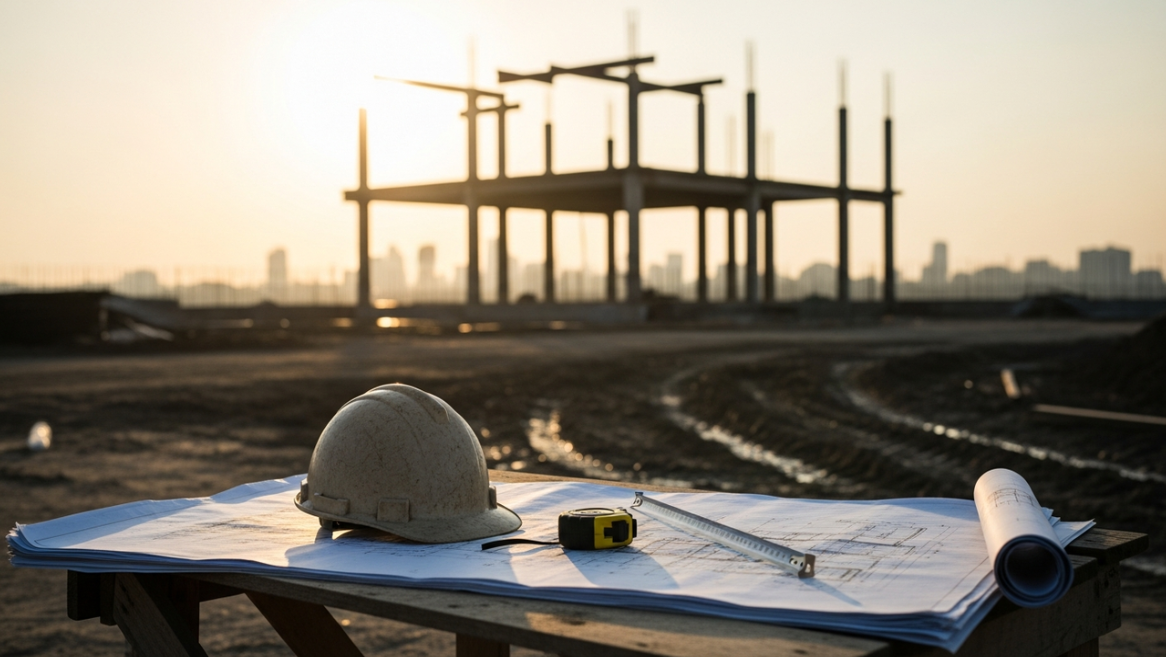
Civil engineers building the Great Wall of China used a mortar made from boiled rice mixed with limestone to hold the stones together, and it hardened so tough that you would need a jackhammer to break it apart today.
What Civil Engineers Really Do
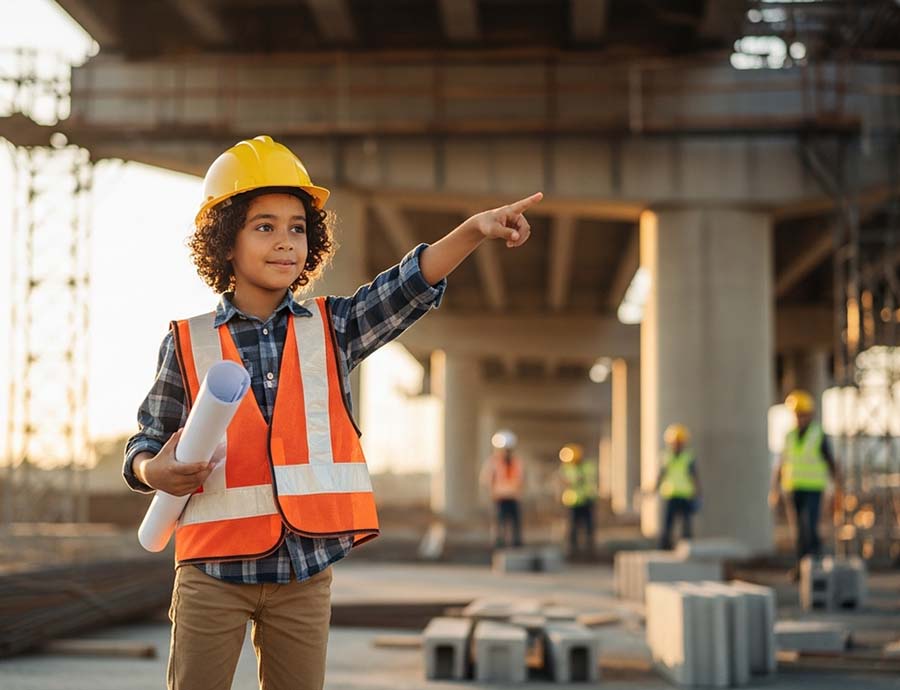
Have you ever crossed a bridge and wondered how something that heavy can just hang in the air? Or walked into a building and thought about what keeps it from falling down? Civil engineers are the people who figure all of that out. They design the roads, bridges, tunnels, schools, water systems, and public spaces that hold our world together. Every time you take a drink of clean water, ride over a bridge, or step inside a building, you are seeing the results of a civil engineer’s efforts.
Civil engineers are like puzzle solvers for the real world. They look at a problem, like how to get people safely across a river or how to make sure a city has clean water, and they figure out the best, safest, smartest way to solve it. They use math, science, and a whole lot of creativity. And when their work is finished, millions of people get to use what they created every single day without even thinking about it!
You Might Love This If...

Skills That Follow You Everywhere
Civil engineers build more than roads and bridges. They build habits that great professionals in any field rely on. Through their training and work, civil engineers develop the ability to think critically under pressure, communicate complex ideas clearly, and organize large, multi-year efforts without losing sight of the details. These skills are useful far beyond the construction site.
Creativity
Civil engineering might seem like a field of formulas and regulations, but some of the most important breakthroughs in the profession came from engineers who were willing to imagine a solution no one had tried before. Designing a structure that is both structurally sound and visually beautiful, finding a way to route a road through a landscape that seemed impossible to cross, or inventing a new material because existing ones were not good enough: these are acts of creativity. Civil engineers who think creatively do not just solve the problem at hand. They find solutions that are smarter, more efficient, and longer lasting than anyone expected.
Problem-Solving
Civil engineers confront high-stakes problems every day that do not come with instruction manuals. A foundation that shifts unexpectedly, a drainage system that backs up during heavy rain, a material that does not perform the way calculations predicted: each challenge requires a methodical and resourceful response. Problem-solving means diagnosing what is actually wrong, weighing options under time and budget pressure, and finding the best answer with the tools and information available. Engineers who solve problems well keep people safe and projects on track.
Organization
A single infrastructure project can involve hundreds of people, thousands of decisions, and timelines that stretch across years. Civil engineers learn to manage it all by setting clear priorities, tracking progress against detailed plans, and keeping every piece of the project moving in the right direction. Strong organizational skills keep projects on schedule, on budget, and above all, safe. The same skills that help an engineer manage a bridge project help any professional manage a team, a business, or a long-term goal.
Explore more resources for a future Civil Engineer

Girls Think of Everything: Stories of Ingenious Inventions by Women
Thimmesh, Catherine
Why We Picked It
Career Connection
Civil engineers design solutions to real-world problems, and these women inventors demonstrate the same creative, problem-solving spirit, identifying a need, imagining a fix, and making it real, that engineering is fundamentally about.