

Did You Know?
Eugène Viollet-le-Duc, a 19th-century French architect, not only restored medieval buildings (like Notre-Dame and Mont Saint-Michel) but also published over 100 works on architectural theory. His writings influenced modern architects, including Le Corbusier and Louis Sullivan.
The Numbers Behind the Career
Over 123,600 architects are active across the United States as of 2024.
About 7,800 openings for architects are expected annually through 2030.
The median salary for architects in the United States as of 2024 was $96,690.
Where This Career Is Headed
Over the next 10 years, architecture will be shaped by technological, environmental, and spatial changes in how people live and use space. Architects will use improved digital tools to plan and test ideas more easily, but human creativity and problem-solving will remain at the center of the work. A growing focus on sustainability will push architects to design buildings that use less energy, handle extreme weather, and support healthier communities. At the same time, architects will be asked to create flexible, inclusive spaces that can adapt as needs continue to change.

AI and digital tools will enable architects to design more efficiently and creatively, allowing them to explore ideas that would have taken much longer in the past.
Growing demand for sustainable design means architects can play a major role in protecting the planet by shaping greener cities and healthier buildings.
New types of spaces, such as mixed-use neighborhoods and adaptable buildings, will give architects more opportunities to design for how people actually live.

Education & Certification
To become an architect, most people start by earning a professional degree in architecture, such as a Bachelor of Architecture or a combination of a bachelor’s plus a master’s degree from a program accredited by the National Architectural Accrediting Board (NAAB). About two-thirds of U.S. states require this accredited degree before you can pursue licensure. After graduating, aspiring architects complete a paid internship (usually lasting about 3 years) to gain real-world experience working under licensed architects. Finally, candidates must pass the Architect Registration Examination and meet any state licensing requirements to become a licensed architect. Many states also require continuing education to maintain your license.
To Prepare...
Take math courses like geometry and algebra alongside art, design, or drafting classes to build both problem-solving skills and the creative visual thinking needed in architecture.
Join or start clubs such as art, robotics, engineering, or STEM, and participate in school competitions or design challenges to build, test, and share your ideas.
Consider a bachelor’s degree from a university with an accredited 5-year architecture program.
Spotlight: Explore the Life of a Architect


Explore more resources for a future Architect

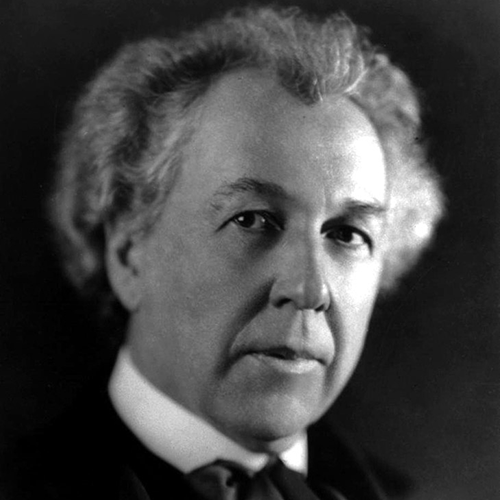
Frank Lloyd Wright for Kids: His Life and Ideas (47) (For Kids series)
Kathleen Thorne-Thomsen
Why We Picked It
Career Connection
Wright studied how nature's patterns inform structure, and these projects teach kids the same site-observation and design-iteration process that working architects follow.

National Geographic Magnetic Marble Run - 75-Piece STEM Building Set for Kids & Adults with Magnetic Track & Trick Pieces & Marbles for Building A Marble Maze, STEM Project
Why We Picked It
Career Connection
Architects design circulation paths — how people and things move through buildings — and this marble run teaches the same flow-and-function thinking on a playful scale.

The Future Architect's Handbook
Barbara Beck
Why We Picked It
Career Connection
Architects create these exact professional drawing types for every building they design, and this handbook teaches kids the visual language of the profession step by step.