
Learning Resources
Architect

Big Plans
A pint-sized dreamer marches around town declaring he’ll build the tallest, boldest skyscraper ever—captured in bold, cartoon art that radiates humor. The repeated refrain “I’ve got big plans, I say!” empowers preschoolers to voice their own grand ideas. Introduces the notion that architects start with imagination and confidence, not just rulers and math. Fun, fast, and perfect for story-time pep talks.

Taksa Toys Ancient Greek Dome Stem Toys Educational Stackable Building Blocks, for Kids Ages 7 8 9 10+ Years Old, Indoor Premium Architectural Kit Construction Games, Montessori Children Toys 54 Pcs
Perfect for aspiring architects and builders, this set teaches the core principles of balance, symmetry, and structure that define classical architecture. As kids recreate ancient Greek designs, they gain a deeper understanding of geometry, spatial reasoning, and cultural history. It’s a creative, brain-building introduction to the world of design and architecture—where timeless ideas meet modern play.
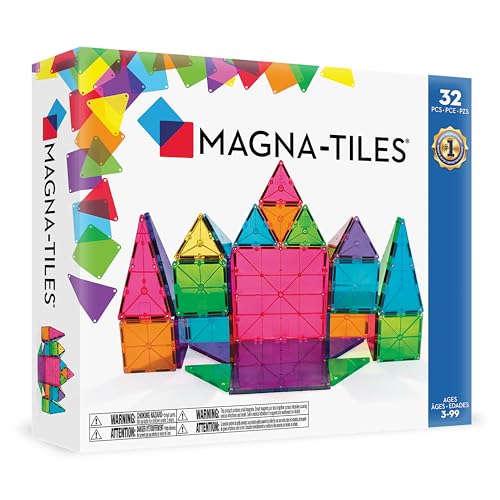
MAGNA-TILES Classic 32-Piece Magnetic Construction Set, The ORIGINAL Magnetic Building Brand
This Classic 32-piece MAGNA-TILES set is the perfect introduction to magnetic building, giving little hands the ideal size and strength to create with confidence. Its vibrant, durable pieces inspire years of imaginative play, from simple shapes to towering structures. Kids can use it for hands-on learning, fun experiments, and endless creative exploration. Built to last and loved by all ages, it’s a toy that grows with your family.

MINDWARE Art-CHITECT 3-D Home Design Architecture KIT
This all-in-one architecture design kit turns creative play into real-world learning, giving kids the tools to dream up, draw, and build their own 3D home models just like professional architects. As they sketch floor plans, trace details, and assemble walls, they naturally strengthen geometry skills, improve fine-motor control, and explore what it’s really like to bring design ideas to life. With endless layout possibilities and high-quality drafting tools included, kids can imagine, build, furnish, and redesign again and again—all while enjoying a fun, screen-free activity that fuels creativity and sparks an early interest in architecture.

Constructing Architecture: Materials, Processes, Structures. A Handbook
This hefty reference demystifies everything from concrete curing to curtain-wall detailing with step-by-step photos and sectional diagrams. Organized by material, it shows how design intent meets on-site realities, bridging studio sketches with construction tech. Case studies of modern European buildings illustrate concepts in action. Ideal for advanced high-schoolers or gap-year interns eager to talk shop with engineers and contractors.

The LEGO Architect
Using the universal appeal of LEGO bricks, this book walks kids (and parents) through seven architectural styles, from Neoclassical to Modernism. Photo-rich chapters pair real-world landmarks with step-by-step mini-builds, helping readers see how columns, arches, and cantilevers translate into brick form. Tips on advanced building techniques grow with the child’s skills, so the book stays relevant for years. A playful gateway to serious design concepts.

Fallingwater: The Building of Frank Lloyd Wright's Masterpiece
This beautifully written and illustrated story introduces children to the power of creativity, problem-solving, and respect for nature in design. It shows how architecture can be both art and science, teaching kids that inspiration can come from the world around them. For young dreamers who love to build, draw, or explore, Wright’s masterpiece offers a perfect example of how bold ideas and persistence can shape something timeless.

Lee & Low Books Dreaming Up: A Celebration of Building
Each spread pairs a child’s block play or sand-castle scene with the real building it inspired—from adobe pueblos to Gaudí’s Sagrada Família—showing that professional architecture begins with play. Bright collage art keeps younger readers engaged, while poetic text introduces basic design vocabulary. A perfect read-aloud that validates kids’ homemade creations and invites them to “dream up” their own structures.

Wright (Basic Art Series 2.0)
This book presents Wright’s work through vivid photography and expert commentary, helping readers understand how he redefined modern architecture. It’s ideal for curious minds who love design, art, or engineering, showing how imagination and structure can coexist in perfect harmony. For children fascinated by building and creativity, it opens the door to seeing architecture as both innovation and art.

Who Was Frank Lloyd Wright?
This engaging biography shows kids that creativity and determination can change the world around them. Frank Lloyd Wright’s story encourages young readers to look at buildings not just as structures, but as living, breathing works of art that connect people and nature. For children interested in design, problem-solving, or inventing new ideas, this book offers a powerful lesson in thinking differently and daring to imagine what’s possible.

Builder Brothers: Big Plans (Builder Brothers)
Star-powered inspiration: HGTV’s Drew and Jonathan Scott turn their real-world building magic into a playful story that shows kids famous role models started as dreamers too.
Big-idea mindset: From castles to catapults, the twins model brainstorming, sketching, and budgeting—teaching readers that every ambitious project begins with planning and perseverance.
Lesson in resilience: When things go sideways, the brothers problem-solve and pivot, giving children a realistic look at how to bounce back when plans meet obstacles.
Hands-on family fun: The included DIY project invites parents and kids to grab tools together, reinforcing skills, teamwork, and the joy of making something tangible.
Laughter meets know-how: Breezy humor and lively illustrations keep pages turning while quietly seeding practical tips about saving money, measuring twice, and dreaming big.

I.M. Pei: A Profile in American Architecture
This detailed portrait of I. M. Pei gives readers a deeper appreciation for how architecture blends creativity, precision, and purpose. It shows how Pei balanced innovation with respect for tradition, creating buildings that both inspire and endure. For young readers interested in art, design, or engineering, his story demonstrates how vision and discipline can come together to shape the spaces where people live, learn, and dream.
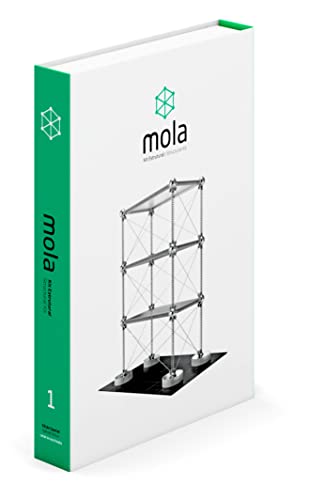
Mola Structural Kit 1 | Magnetic Modular Kit for Engineering and Architecture Education | 122 Pieces + Practical Guide
This kit is a hands-on way to explore how real structural systems work, making it perfect for students, professionals, and anyone curious about engineering. Its components allow users to experiment with beams, columns, connections, and tension members in a clear, intuitive way. With longer span members and diaphragms, the kit even lets you simulate seismic behavior in a three-story building. Whether used alone or combined with other Mola kits, it offers an engaging and realistic approach to learning structural principles.

YPLUS Geometry Set for Students, Math Protractor Compass with Rulers Mechanical Pencil, Box of Protactors Kit for Class Supplies and School Kids Toddler - 12 Pcs, Back to School Supplies for Kids
Perfect for aspiring architects and designers, this set teaches the precision and spatial awareness used in real architectural work. As kids experiment with lines, angles, and measurements, they develop problem-solving skills and an eye for proportion—the building blocks of design and drafting. It’s a practical, confidence-building toolkit that bridges creativity with math, helping young creators think like architects.

Cool Architecture: 50 fantastic facts for kids of all ages
Fast-paced fact boxes, quirky trivia, and eye-catching graphics make this a great “dip-in” reference for tweens who crave bite-sized knowledge. Each spread links a fun fact—like the world’s narrowest house—to a core design principle, turning trivia into teachable moments. It encourages critical thinking with “Try This!” prompts that nudge readers to sketch, measure, or experiment at home. A super choice for older kids who enjoy learning in quick, memorable bursts.

Architecture: Form, Space, and Order
Ching’s crisp line drawings and minimal text break complex theories—proportion, hierarchy, circulation—into instantly graspable visuals. Marginal case studies link abstract ideas to iconic buildings, helping teens relate geometry to real design. Widely assigned in first-year architecture courses, it doubles as head-start reading for college-bound students. A reference they’ll keep on the shelf for decades.

13 Architects Children Should Know
Explores the planet and the past: A globe-trotting timeline carries kids from ancient wonders to tomorrow’s skyline, showing how cultures shaped—and were shaped by—their buildings.
Turns legends into mentors: Concise, kid-friendly bios make icons like Wright, Le Corbusier, and Zaha Hadid feel approachable, sparking dreams of becoming the next great architect.
Lets landmarks speak: Vivid illustrations reveal how St Paul’s rose from the Great Fire, how Monticello forged a new American style, and how the Eiffel Tower, Bilbao’s Guggenheim, and other marvels rewrote the rules.
Connects design with history: A clear chronological flow helps readers see architecture evolve alongside scientific breakthroughs, social change, and artistic movements.
Invites deeper discovery: Extra facts, book suggestions, and online links give curious minds a launchpad for hands-on exploration, classroom projects, or family field trips.
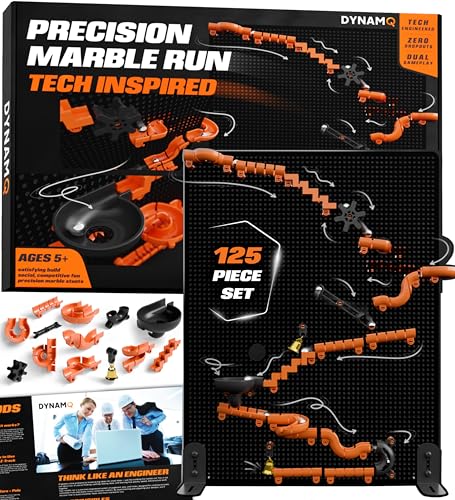
Precision Marble Run - 125 Piece STEM Building Set - Educational Learning Science Toys Kits for Kids Ages 5+ Adults - 3D Marble Maze Construction Game, Christmas Birthday Gifts for Boys, STEM Project
Ideal for aspiring architects and engineers, this marble run combines artistry, logic, and problem-solving in every build. As kids design dual-sided tracks and fine-tune each curve, they develop spatial reasoning, structural thinking, and an understanding of how design choices affect performance—skills central to real-world architecture and engineering. It’s a sleek, exciting way to learn how structure and science work together.
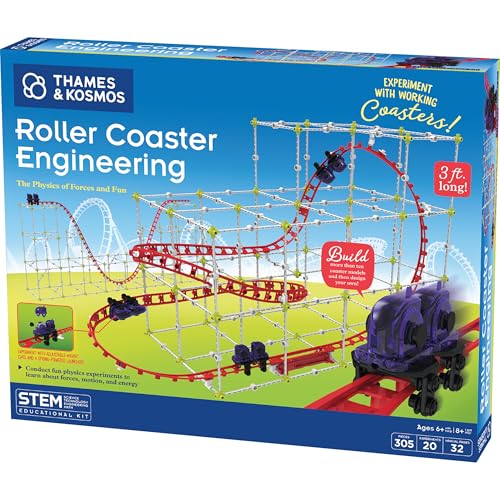
Thames & Kosmos | Roller Coaster Engineering STEM Kit | Design, Build, Experiment w/ Working Models | Explore Physics, Forces, Motion, Energy, Velocity & More | Solve Building Challenges
Perfect for future architects and engineers, this kit teaches how structure, balance, and motion work together in real-world design. As kids build and test their own roller coasters, they develop problem-solving, spatial reasoning, and critical thinking skills—the same skills architects use when bringing complex ideas to life. It’s an exciting, hands-on introduction to how creativity meets physics in the world of design.

The Future Architect's Handbook
Written in a friendly, notebook style, the book walks middle-grade readers through site plans, floor plans, elevations, and sections—the same drawings pros use. Clear examples and quick quizzes turn complex ideas into bite-sized lessons. Tips on measuring rooms and interviewing “clients” (a.k.a. family members) move learning from page to real life. A superb primer for kids who already fill notebooks with house sketches.

If I Built a School (If I Built Series)
Rhyming text and retro-bright art follow young Jack as he imagines classrooms with hover desks, aquarium hallways, and a zip-line recess—a joyful invitation to think beyond the box. The exaggeration makes kids laugh while subtly teaching that architects solve real user needs (comfort, flow, fun). Great for sparking family discussions: “What would your school look like?” A read-aloud that blends creativity with design thinking.

Because I Wanna Be an Architect: Inspiring Tales of Building Big Dreams
Turns wonder into blueprints: Leo’s lively adventures show kids how a sketch in the sand can become a soaring skyline, revealing the limitless possibilities of architecture. Opens fresh eyes on everyday spaces: From backyard forts to dazzling city towers, children learn to spot structure, symmetry, and creative potential all around them.
Sparks hands-on creativity: Each page invites young readers to dream, draw, and build—nurturing problem-solving skills and imaginative play.
Champions perseverance: Leo’s setbacks and triumphs model resilience, teaching kids that big ideas grow tallest when they keep reaching.
Launhes future builders: More than a story, it’s an inspiring springboard that leaves children eager to design their own world.

Architecture for Teens: A Beginner's Book for Aspiring Architects
Written by an architect-educator, this guide balances studio basics (sketching, model-making, software) with career insights and interviews from practicing pros. Step-by-step mini-projects—like designing a tiny house on a challenging site—let teens test-drive real design processes. Includes portfolio tips and college-prep advice, making the path to architecture feel achievable. Ideal for high-schoolers ready to turn curiosity into a concrete plan.

The Poetics of Space
Blending philosophy and psychology, Bachelard explores how attics, nests, and corners shape human imagination, reminding designers that emotion matters as much as structure. Lyrical prose stretches analytical thinkers into more poetic territory—useful for portfolio essays and concept statements. Marginal quotes invite reflection, making it a favorite in architecture theory seminars. An eye-opening read for teens who view design purely as math and models.