

Did You Know?
Eugène Viollet-le-Duc, a 19th-century French architect, not only restored medieval buildings (like Notre-Dame and Mont Saint-Michel) but also published over 100 works on architectural theory. His writings influenced modern architects, including Le Corbusier and Louis Sullivan.

What Architects Really Do
Imagine walking into your school or your home and noticing how big the doors are, where the windows are, or how the room feels when you step inside. You might wonder why the hallway feels long or why the playground has so much open space. A career in architecture can start with simple curiosity like this. It often begins with play, like stacking blocks, drawing houses, or building forts out of boxes. At first, it feels like using your imagination to make places where people can live, learn, and play.
As time goes on, architects learn how to make their ideas stronger and safer so people can really use them. They practice drawing, building models, and learning how different shapes and materials work together. Architects work with others to plan spaces such as homes, schools, parks, and libraries. Some focus on making buildings fun, while others aim to make them comfortable or environmentally friendly. Step by step, architecture becomes a way to turn your ideas into real places, showing that you can help shape the world around you.
You Might Love This If...

Skills That Follow You Everywhere
Being an architect helps you develop important skills that are useful in many careers, including problem-solving, creativity, and time management. Architects learn to turn ideas into workable designs, find solutions when plans do not go as expected, and balance artistic vision with real-world constraints such as space, safety, and budgets. These skills are especially important in an architect’s everyday work, where managing deadlines and making thoughtful design choices help turn concepts into real spaces people can use.
Time Management
Architects use time management to balance many tasks, such as designing, revising plans, meeting with clients, and working with a team. They prioritize the most important steps first, create schedules to meet deadlines, and break big projects into smaller tasks so the work feels manageable. By staying organized and focused, architects avoid falling behind and make sure each part of a building is carefully planned and completed on time.
Creativity
Architects use creativity to imagine new ways spaces can look, feel, and function for the people who use them. They think outside the box by experimenting with shapes, materials, and layouts, often trying ideas that have never been used before. Creativity also means being willing to take risks, test bold designs, and learn from ideas that do not work at first, using those experiences to develop better and more meaningful buildings.
Problem-Solving
Architects use problem-solving after they understand what a building needs to do, such as who will use it, how big it should be, and where it will be built. They test different design ideas, build models or digital plans, and check whether their solutions work for safety, comfort, and cost. When something does not work, like a layout that feels crowded or a structure that is too weak, architects adjust their designs and try new solutions until they find the best way to turn the plan into a real, usable space.
Explore more resources for a future Architect

I.M. Pei: A Profile in American Architecture
Carter Wiseman
Why We Picked It
Career Connection
Architects often design within historic contexts, and Pei's Louvre Pyramid shows how professionals honor the past while introducing bold modern elements.
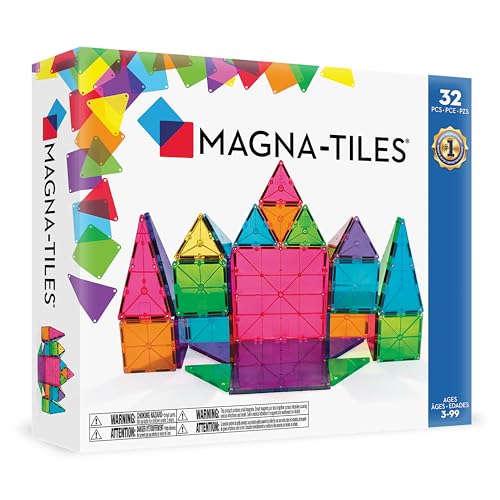
MAGNA-TILES Classic 32-Piece Magnetic Construction Set, The Original Magnetic Building Brand
Why We Picked It
Career Connection
Architects think in three dimensions from day one — rotating and stacking forms in their minds — and magnetic tiles build that same spatial visualization skill through open-ended play.

BIG. Yes is More. An Archicomic on Architectural Evolution (Varia)
Bjarke Ingels
Why We Picked It
Career Connection
Architects must navigate strict building codes and budgets while keeping designs innovative, and Ingels shows how creative thinking thrives within those professional constraints.