Photo: Pete Souza, Public domain, via Wikimedia Commons
Who He Is
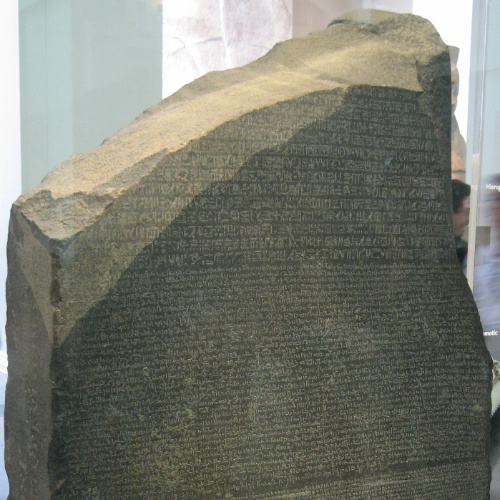
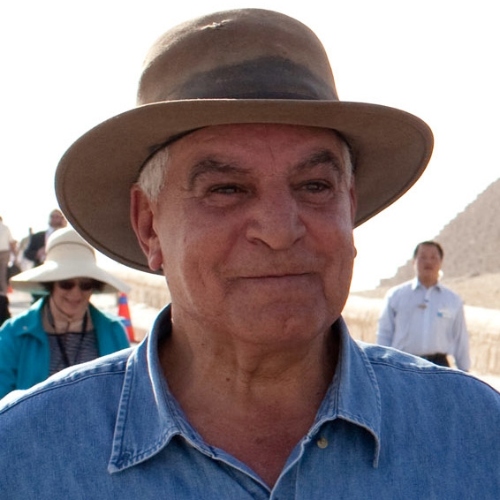
Zahi Hawass grew up in a small village near Damietta, on Egypt's Mediterranean coast, and did not set out to study the pharaohs. He entered university planning to become a lawyer before archaeology pulled him in, and he earned his first degree in Greek and Roman archaeology in 1967. He went on to lead excavations across the Giza Plateau and the Valley of the Kings, uncovering the cemetery of the workers who built the pyramids and directing the CT scanning of royal mummies, including Tutankhamun, to study how ancient Egyptians actually lived and died. As the head of Egypt's antiquities agency, and later as its minister of antiquities, he pushed for the return of Egyptian artifacts held in museums abroad, arguing that objects like the Rosetta Stone belong in the country where they were found. He has spent decades appearing on television and in documentaries, becoming one of the world's best-known archaeologists and pulling millions of people into a field most never think about. His work has been debated as much as celebrated, which is itself part of what makes him worth studying.
Why He Matters
Hawass shows that archaeology is not only about what gets dug up, but about who controls the story afterward. His fight to bring artifacts home turned a scientific question into a political one, forcing museums and governments around the world to reckon with how ancient objects ended up so far from where they were found. He deliberately built his public profile, believing archaeology matters only if people outside the field pay attention. That approach made him a controversial figure among some colleagues, who felt the spotlight overshadowed the science. His career reminds us that archaeologists do not just study the past in private. They argue publicly about who it belongs to, and those arguments shape who gets to hold it.