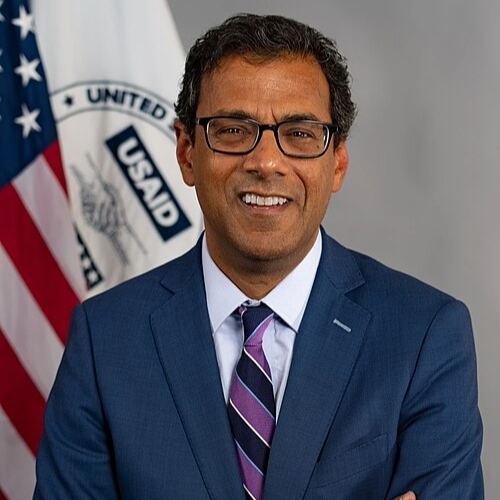
Photo: United States Agency for International Development, Public domain, via Wikimedia Commons
The Checklist Manifesto
What It Is
In 2009, surgeon and writer Atul Gawande published a book called The Checklist Manifesto, which made a simple and surprising argument: that some of the most skilled professionals in the world, surgeons, pilots, engineers, and construction managers, were making avoidable mistakes not because they lacked expertise but because they were trying to hold too much information in their heads at once. The solution Gawande proposed was almost embarrassingly simple: checklists. Not as a substitute for skill, but as a structure that ensures critical steps do not get skipped when complexity, pressure, or distraction makes it easy to overlook something that everyone already knows. The World Health Organization adopted a surgical safety checklist based on his research that has since been shown to reduce surgical complications and deaths significantly in hospitals around the world.
Why It Matters
The book changed how operations professionals think about the relationship between expertise and systems, demonstrating that even the most skilled people benefit from the right structure around them. Operations managers build the checklists, protocols, and processes that organizations run on, and Gawande's research showed that getting those structures right has consequences that go far beyond efficiency. A well-designed operating procedure in a hospital saves lives. A poorly designed one costs them. The same principle applies at every scale of organizational life.