Photo: unknown/uncredited, Public domain, via Wikimedia Commons
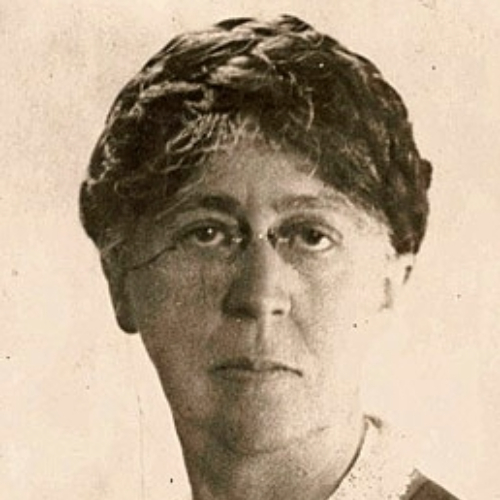
Mary Parker Follett
Who She Was
Mary Parker Follett was a management theorist and social worker whose ideas about leadership, conflict resolution, and organizational dynamics were so far ahead of their time that the business world largely ignored her during her lifetime and then spent decades rediscovering what she had already figured out. Working in the early 20th century, she argued that power in organizations should not flow top-down from managers to workers but should be built through collaboration, shared purpose, and genuine integration of different perspectives. She pioneered the idea that conflict in organizations is not a problem to be suppressed but a source of creative energy that, handled well, produces better outcomes than either side could have reached alone. Her ideas about circular authority, constructive conflict, and the integration of interests are now foundational to fields as different as operations management, organizational psychology, and conflict mediation.
Why She Matters
Follett matters because she named things that most organizations still struggle to do well: share power thoughtfully, resolve conflict productively, and build systems where people feel invested rather than merely managed. Her work predated most of the management frameworks that dominate business education today, and many of those frameworks are essentially catching up to what she articulated a century ago. She also demonstrated that the most important questions in management are not technical but human, about how people relate to each other, how decisions get made, and how organizations create conditions where everyone can contribute their best. For anyone drawn to operations and management as a career, Follett is the intellectual ancestor who proved that how an organization runs is just as important as what it does.