Photo: I Wayan Kerta, CC BY-SA 4.0 <https://creativecommons.org/licenses/by-sa/4.0>, via Wikimedia Commons
Stuart Haber and W. Scott Stornetta
Who They Are
Stuart Haber and W. Scott Stornetta are cryptographers who worked together at Bellcore, a research lab, in the early 1990s. In 1991, they published a paper called “How to Time-Stamp a Digital Document,” which described a way to prove when a digital file was created and that it had not been changed since. Their idea was to create a fingerprint of a file and link each new fingerprint to the previous ones in a chain, so changing an old record would break the chain. A few years later, they started a company called Surety to offer the service, and starting in 1995, it published a fingerprint of its records in the New York Times classifieds every week so anyone could check it. When Bitcoin was first described in 2008, three of the eight papers it cited were written by Haber and Stornetta.
Why They Matter
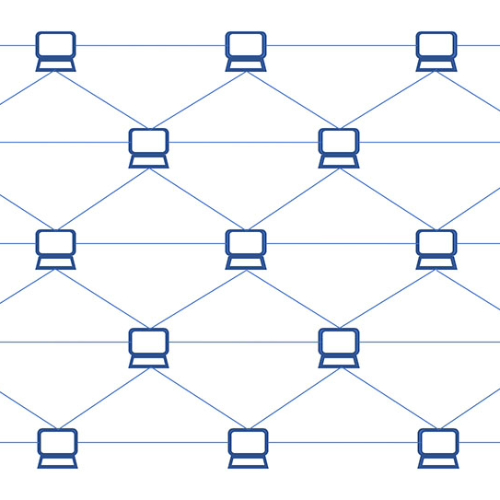
Haber and Stornetta showed that a chain of fingerprints can protect a record from being secretly changed, which is the core idea behind every blockchain. Their company used a newspaper as a public record because they needed many people to agree on the same fingerprint. Later blockchains replaced the newspaper with thousands of computers that check one another’s work, which is the problem engineers still work on today: how strangers can agree on one record without one person in charge. Their story also shows that big ideas often build on earlier work, since they used fingerprint math that already existed and others then built on theirs. For anyone interested in blockchain engineering, they are a reminder that the field began as a practical question about trusting digital records, years before digital money was involved.