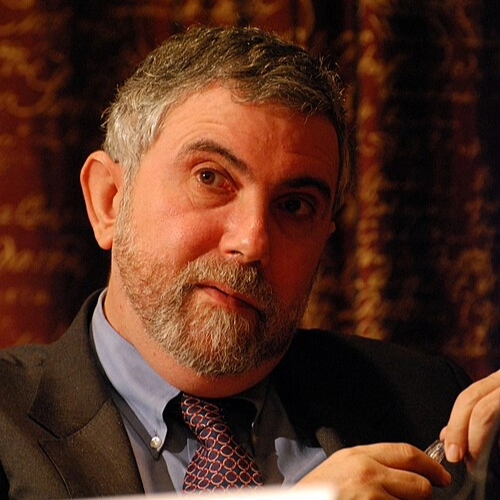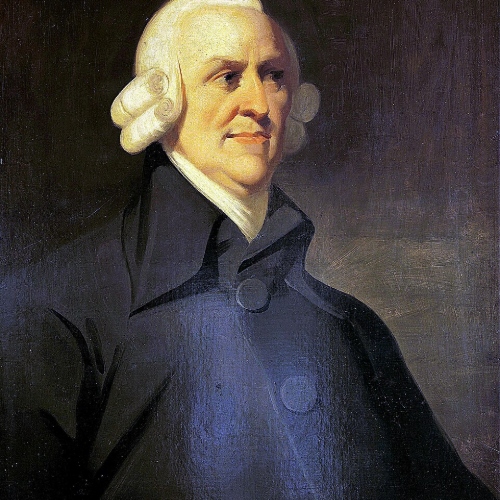
Photo: See page for author, Public domain, via Wikimedia Commons
Overview
Adam Smith was an 18th-century Scottish philosopher and writer who is widely called the father of modern economics. Born in 1723, Smith spent years studying how people, businesses, and nations create and trade wealth. In 1776, he published “The Wealth of Nations,” a groundbreaking book that explained how free markets, competition, and self-interest can work together to benefit society as a whole. Smith introduced the idea of the “invisible hand,” the concept that when people freely pursue their own interests in a market, their choices can end up benefiting everyone else too, without anyone planning it that way. His ideas laid the foundation for how economists still think about markets today.
Why He Matters
Two hundred fifty years after “The Wealth of Nations” was published, Smith's ideas about markets, competition, and specialization still shape how economists, business leaders, and governments think about trade and growth. His insight that individuals making their own choices can create outcomes that help entire communities remains one of the most influential ideas in economic history, even as later economists have built on, tested, and sometimes challenged it. For young people, Smith's story shows that asking big, patient questions about ordinary life, in his case, why some nations grow wealthier than others, can lead to ideas that shape the world for centuries.