

Did You Know?
Modern retail stores generate enormous amounts of data every single day, from sales by hour and product to customer traffic patterns and return rates, and retail managers use that data to make decisions about staffing, inventory, and store layout that affect profitability in real time.
The Numbers Behind the Career
In 2024, the median annual salary for retail store managers in the U.S. was $78,000.
Over 1 million first-line supervisors or retail sales workers are active across the U.S.
Over 150,00 openings for retail store managers are projected each year over the next decade.
Where This Career Is Headed
Over the next decade, retail management will look significantly different as physical stores and digital commerce become more deeply integrated and the expectations placed on store managers expand well beyond traditional retail operations. The growth of buy-online and pick-up-in-store models, same-day delivery, and in-store fulfillment means that many retail managers now oversee what are essentially small logistics and distribution operations alongside their traditional floor management responsibilities. At the same time, the data available to retail managers is becoming more sophisticated and more actionable, with real-time inventory tracking, customer behavior analytics, and AI-assisted forecasting tools changing how decisions get made at the store level. The managers who will be most valuable in this environment are those who can move fluidly between the human side of the job and its increasingly technical dimensions.

The continued growth of omnichannel retail, where customers move seamlessly between physical and digital shopping, is creating demand for store managers who understand both in-person customer experience and the fulfillment and logistics operations that support online orders.
Experiential retail, where stores are designed around activities, events, and services rather than just product display, is expanding in response to online competition, creating new management roles that require skills in programming, hospitality, and community engagement alongside traditional retail operations.
The expansion of retail into non-traditional settings, including pop-up stores, mobile retail units, and retail-within-retail concepts, is creating new management opportunities that require adaptability and entrepreneurial thinking beyond what a standard store management role demands.
Education & Certification
Retail store management is one of the most accessible paths into general management, with many managers entering through entry-level retail positions and advancing based on performance rather than formal credentials. A high school diploma is typically the minimum requirement, and many retail managers hold associate or bachelor's degrees in business, marketing, retail management, or a related field, though the degree is often less important than demonstrated performance on the floor. Some retailers offer internal management training programs that develop promising employees into store managers over one to three years, and these programs can be as rigorous and career-defining as any formal degree. Professional development organizations like the National Retail Federation offer certifications and training resources that signal commitment to the profession and help managers develop skills in areas like loss prevention, customer experience, and retail analytics.
To Prepare...
Take math courses as far as your school offers them, since retail managers work with sales data, budgets, and inventory numbers every day and a strong foundation in applied math makes that work significantly easier.
Seek out business, economics, or marketing electives, since they give you early exposure to how organizations make money and make decisions, which is the context every retail manager operates within.
Take speech, communications, or psychology courses if your school offers them, since they develop the people skills that retail management runs on, from giving clear direction to resolving conflict to coaching someone who is struggling.
Spotlight: Explore the Life of a Retail Store Manager


Explore more resources for a future Retail Store Manager

The New Rules of Retail: Competing in the World's Toughest Marketplace
Lewis, Robin | Dart, Michael
Why We Picked It
Career Connection
Retail store managers operate within the competitive landscape this book maps, and understanding the strategic forces reshaping consumer behavior, distribution channels, and the e-commerce challenge gives aspiring retail leaders the industry perspective they need to make smarter decisions both on the floor and in the planning room.

Build a Brand Like Trader Joe's
Gardiner, Mark E
Why We Picked It
Career Connection
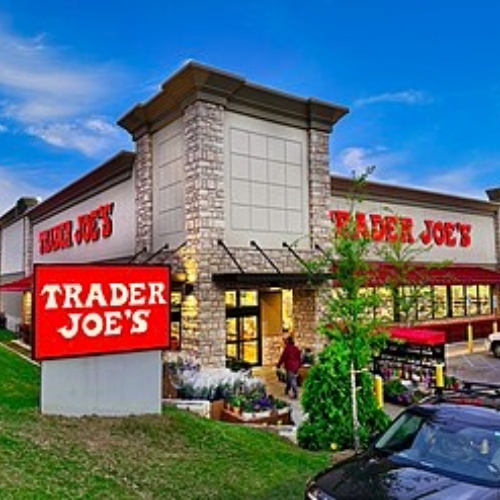
Retail store managers are on the front line of the customer experience that builds brand loyalty, and Gardiner's inside discovery that Trader Joe's brand strength comes from employees, products, and store culture rather than advertising gives aspiring retail leaders a powerful case for why what happens on the floor matters more than anything on a billboard.

Becoming Trader Joe: How I Did Business My Way and Still Beat the Big Guys
Coulombe, Joe
Why We Picked It
Career Connection
Retail store managers shape the customer experience and workplace culture that determine whether a store earns loyalty or just transactions, and Coulombe's blueprint for building a retail business around a distinct personality, genuine values, and products customers actively seek out offers aspiring managers one of the field's most instructive examples of what great retail leadership actually creates.