
Did You Know?
Before the 2009 presidential inauguration, Washington’s largest hotel stocked up with a ton of chocolate, a ton of cheese, and 800 pounds of bison. It expected to serve about 49,000 meals in just four days.

What Caterers Really Do
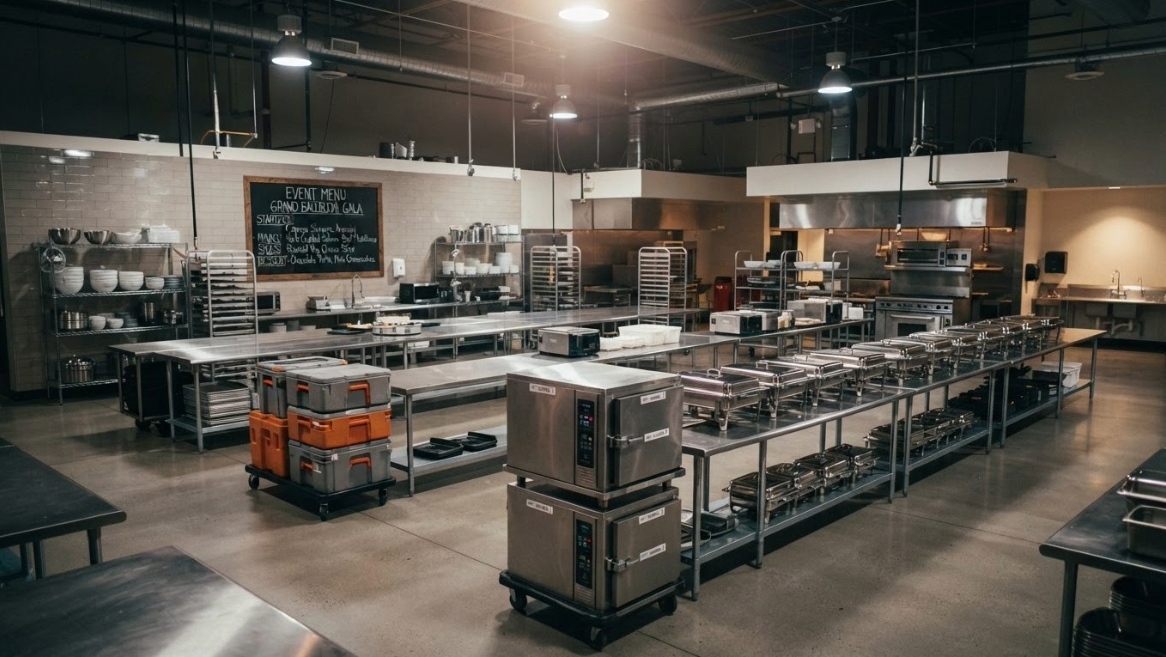
Your van is packed with trays, tablecloths, and a cooler full of fruit salad. You are heading to a wedding where 100 guests will be hungry by noon. The party space has no kitchen, so you bring one. You set up tables, turn on the warmers that keep the food trays hot, and arrange every dish just so. By the time the first guest walks in, the room smells amazing, and everything is ready.
Caterers cook and serve food at weddings, birthday parties, school events, and all kinds of celebrations. Before the party, you ask your customers what they want to eat, count how many guests are coming, and plan a menu that works for everyone, including guests with food allergies. Then you shop, cook, pack, and drive the food to the party. Keeping food safe is a big part of the job, so hot food stays hot and cold food stays cold. When the party ends, and everyone is full and smiling, you clean up and start planning the next one.
You Might Love This If...
Skills That Follow You Everywhere
Caterers develop skills that reach well beyond the kitchen. They learn to work against a clock that won't wait, change a plan without derailing the event, and keep dozens of moving parts in order at once. These abilities matter in any career where others are counting on you to deliver.
Time Management
A caterer’s day runs backward from the moment guests sit down. If dinner is served at 6:00, roasting might start at 2:00, and the van might leave at 4:00. Food that sits out too long is unsafe to serve, so a late tray isn't just awkward, it's a real problem. Caterers build schedules with room for surprises and keep every task moving so the whole meal lands on the table together.
Adaptability
No two venues are alike, and caterers often arrive to find a smaller kitchen, a broken oven, or a guest list that grew overnight. When that happens, they rework the menu, the timeline, or the setup on the spot while the clock keeps running. Guests rarely notice because the caterer has already found another way to make the meal work.
Organization
Feeding a crowd means tracking hundreds of small details, from how many plates and chairs are needed to which tray holds the nut-free meals. Caterers make checklists, label every container, and load the van in the order things will be needed. A well-organized caterer can set up a full meal in an unfamiliar space because every item has a place and every task has an owner.