
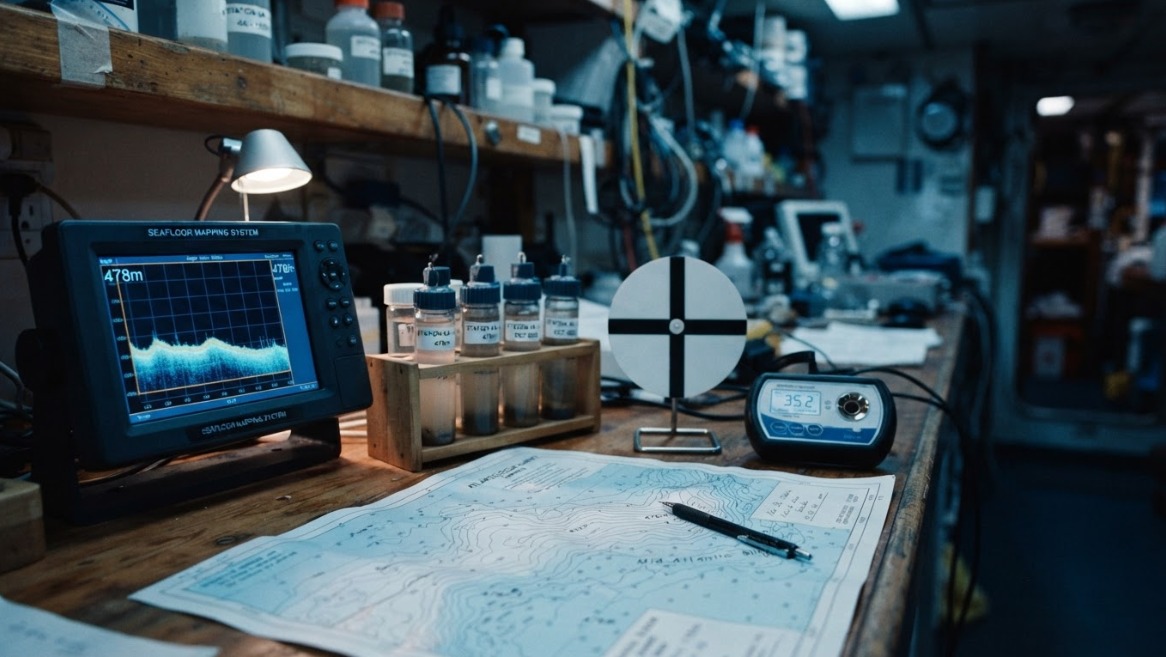
Did You Know?
A tsunami crossing the open ocean is usually less than three feet tall, so ships sail right over one without noticing. The danger comes from its length, since a single wave can stretch for hundreds of miles.
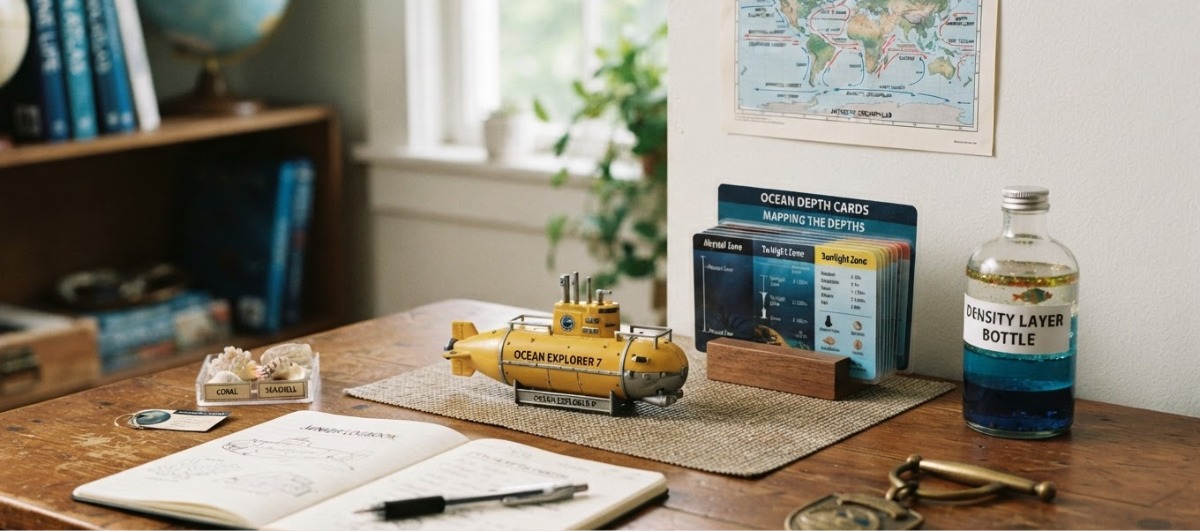
How to Get Started
Oceanography is a career you can start practicing by paying attention to the physical forces behind the ocean, not just what lives in it, things like waves, currents, tides, and temperature. It starts with noticing that the ocean behaves the way it does because of real, understandable physics and chemistry, not magic.
Explore the Basics
With a grown-up nearby, watch how waves move in a bathtub, a sink, or a pool by gently blowing across the surface of the water or making waves with your hand, noticing how they travel and change shape. Try making waves of different sizes and see how they move differently across the water. Notice what happens when two waves run into each other.
Try It Out
Ask a grown-up to help you fill two cups with water, add a lot of salt to one and none to the other, then put both in the freezer and compare how long each takes to freeze. Check on them every hour or so and write down what you notice about each one. Think about why the ocean, which is salty, doesn’t freeze the same way a freshwater lake does.
Join the Community
Visit a local science museum, aquarium, or nature center with an ocean or earth science exhibit, and ask a staff member one question about how the ocean works. Many offer free admission days, and your public library may have ocean books and videos you can borrow for free. Afterward, talk with a family member about the most surprising thing you learned.