Did You Know?
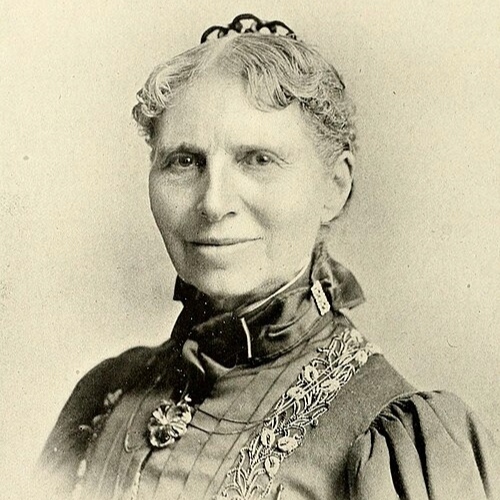
Clara Barton was in her late fifties when she founded the American Red Cross in 1881, proving that some of the biggest impacts happen later in life.
The Numbers Behind the Career
The median annual salary for social and community service managers is $78,240.
About 219,800 social and community service managers work across the United States.
About 18,600 openings for social and community service managers are projected each year over the next decade.
Where This Career Is Headed
The nonprofit sector is evolving quickly as technology reshapes how organizations raise money, measure impact, and reach the communities they serve. Artificial intelligence tools are helping directors analyze donor data, personalize fundraising outreach, and automate routine administrative work, freeing up time for relationship building and strategy. At the same time, donors and grantmakers increasingly expect nonprofits to prove their impact with data, pushing organizations to invest in better measurement and reporting systems. Over the next decade, nonprofit directors will need to blend traditional mission-driven leadership with growing comfort in technology, data analysis, and digital fundraising.

AI-powered donor management tools will let smaller nonprofits run sophisticated fundraising campaigns that once required large teams.
Growing corporate interest in social responsibility is creating new partnership and funding opportunities between businesses and nonprofits.
Remote work and digital tools are making it easier for nonprofits to recruit volunteers, board members, and staff from beyond their local area.

Education & Certification
Most nonprofit directors hold at least a bachelor's degree, often in fields like nonprofit management, public administration, business, social work, or a subject connected to their organization's mission. Many senior directors, especially at larger organizations, go on to earn a master's degree in nonprofit management, public administration, or business administration with a nonprofit focus. Unlike some careers, there is no single required license to lead a nonprofit, but real-world experience, often starting as a volunteer, program coordinator, or development associate, matters just as much as a diploma. Optional certifications, such as the Certified Fund Raising Executive credential, can help directors build credibility in fundraising and demonstrate specialized expertise.
To Prepare...
Volunteer for causes you care about, since firsthand experience is one of the most valued qualifications in nonprofit leadership.
Take courses or join clubs focused on leadership, public speaking, business, or communications, all skills nonprofit directors use daily.
Seek out internships or part-time roles with local nonprofits to learn how fundraising, budgeting, and community programs actually work.