
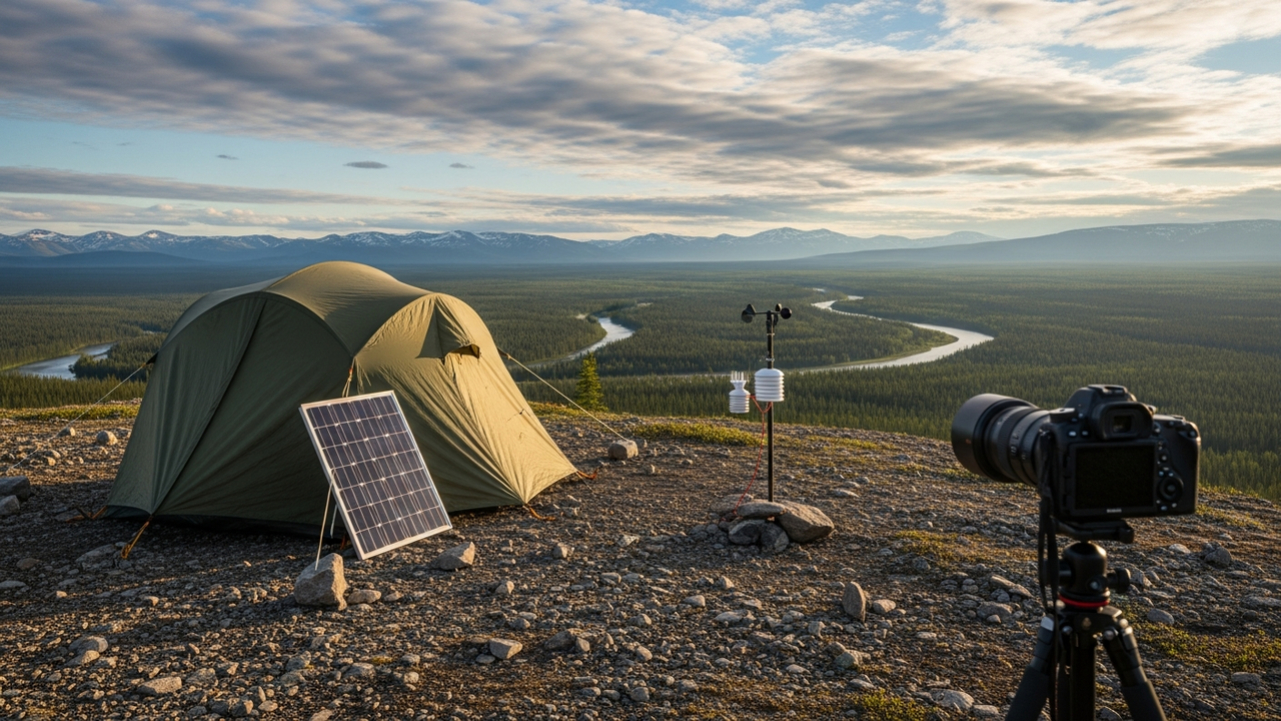
Did You Know?
Environmental scientists have used tree rings to uncover evidence of droughts, floods, and wildfires from hundreds or even thousands of years ago.
The Numbers Behind the Career
The median salary for environmental scientist is $78,980.
7,800 openings for environmental scientists are expected annually through 2030.
Over 83,700 environmental scientists are active across the United States.
Where This Career Is Headed
Environmental science is evolving rapidly as climate change, pollution, and resource management become increasingly urgent global priorities. Growing public awareness and stricter environmental regulations are creating demand for scientists who can assess environmental impacts, develop sustainable practices, and help industries and communities adapt to a changing planet. Advanced technologies, including satellite monitoring, drones, and AI-powered data analysis tools, are expanding what environmental scientists can measure and predict, allowing them to monitor conditions across vast areas and analyze complex datasets with greater speed and accuracy.

Climate change research and adaptation planning will create growing demand for environmental scientists who can help communities prepare for shifting weather patterns, sea-level rise, and ecosystem changes.
Renewable energy development and sustainability consulting will require environmental scientists to assess project impacts, ensure regulatory compliance, and design solutions that balance development with conservation.
Emerging technologies like AI-powered environmental monitoring, biodiversity sensors, and advanced modeling tools will expand what environmental scientists can measure, predict, and protect at scales previously impossible.
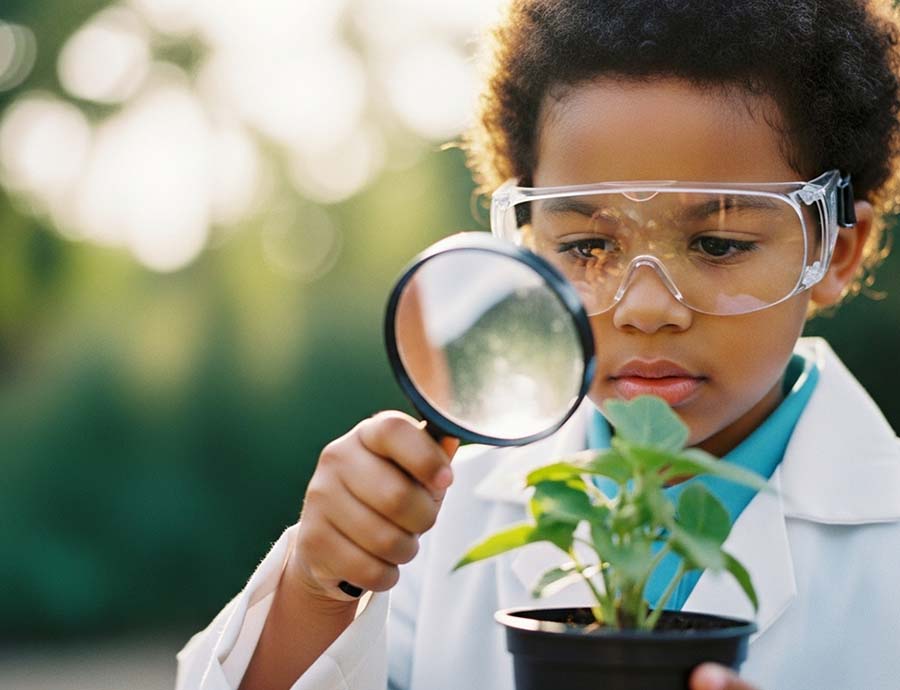
Education & Certification
Most environmental scientists hold at least a bachelor's degree in environmental science, biology, chemistry, geology, or a related field. Coursework typically includes ecology, earth science, data analysis, chemistry, and environmental policy. Many positions, especially in research or government agencies, prefer or require a master's degree, which allows specialization in areas such as water quality, air pollution, toxicology, or climate science. Some environmental scientists pursue doctoral degrees to lead research programs or teach at the university level. While not required, some professionals earn optional certifications in specialized areas like hazardous materials management or wetland delineation as they advance in their careers.
To Prepare…
Take advanced courses in biology, chemistry, earth science, and mathematics (especially statistics) to build the scientific foundation needed for environmental research and analysis.
Participate in science clubs, environmental organizations, outdoor education programs, or volunteer monitoring projects to gain hands-on experience with field methods and ecological observation.
Develop strong writing and data analysis skills through research projects, science competitions, or independent studies that require you to collect evidence, interpret results, and communicate findings clearly.
Spotlight: Explore the Life of a Environmental Scientist



Explore more resources for a future Environmental Scientist

Dimple Garden Wagon & Tools Toy Set, Kids Gardening Set - 15 Pcs Outdoor Toys for Toddlers,Sand Toys - Sturdy & Durable Top Yd, Beach, Sand, Garden Play Set for Kids & Toddler Gardening Tools, Age 3+
Why We Picked It
Career Connection
Environmental scientists conduct soil sampling, plant surveys, and habitat assessments using field tools, and this set introduces the hands-on outdoor work that makes conservation science tangible.

Petit Collage: Rush to Recycle | Teach Kids About Recycling| Sort All the Recyclibles Before the Truck Comes | Made with Recycled Card and Vegetable Inks
Petit Collage
Why We Picked It
Career Connection
Waste management scientists design municipal recycling systems and measure diversion rates, and this game introduces the same material-sorting logic and urgency that drive professional waste-reduction programs.

Coogam Montessori Toys for 3 Year Old, Magnetic Garbage Recycling Sorting Toy - Waste Category Classification and Environmental Awareness Learning Educational Gift Toy Game
Why We Picked It
Career Connection
Environmental scientists classify materials, analyze waste streams, and design sorting systems for municipalities, and this game introduces the same categorization thinking those professionals use daily.