
Did You Know?
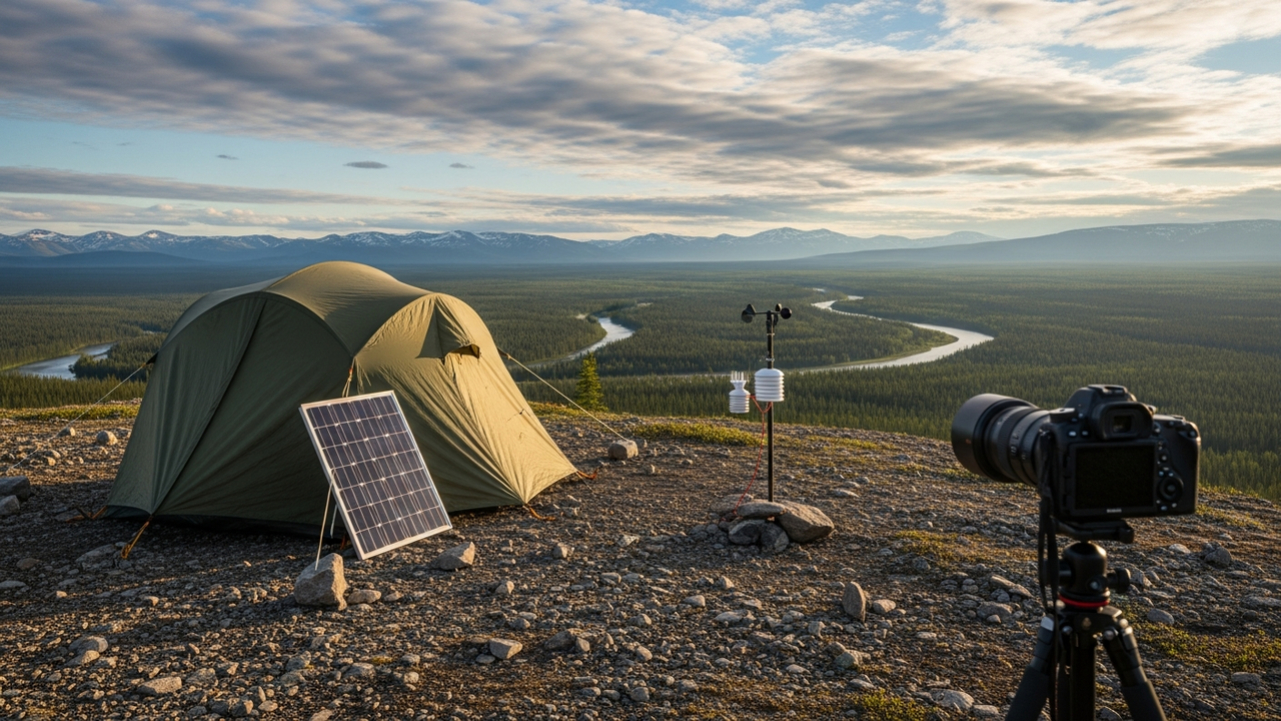
Environmental scientists have used tree rings to uncover evidence of droughts, floods, and wildfires from hundreds or even thousands of years ago.
How to Get Started
Getting started in environmental science begins with paying attention to the natural world and asking questions about how it works. Observing plants and animals, exploring different habitats, and wondering why things change over time are all early steps. Building skills in observation, data collection, and scientific thinking takes practice, curiosity, and a willingness to learn from what you find outdoors and in the lab.
Explore the Basics
Start learning about environmental science by becoming an observer of weather and seasons in your own neighborhood. Each day, look outside and notice what the sky looks like, how the temperature feels, and whether plants and animals are doing anything different than yesterday. Ask questions like "Why are there more bugs on warm days?" or "Where do puddles go when they disappear?" and talk with family members, teachers, or librarians to find answers that help you understand how nature works.
Try It Out
Start a nature journal where you observe and record one small part of your yard or a nearby park every week for a month. Each time, draw or photograph what you see, write down the weather and temperature, and note any changes in plants, animals, or the environment. At the end of the month, look back through your journal to spot patterns—maybe certain insects only appear on warm days, or a particular plant grows taller each week—and write down what you think those patterns might mean.
Join the Community
Visit a local nature center for one of their guided nature walks led by naturalists who teach you how to identify plants, animals, and signs of wildlife in your area. During the walk, ask questions about what you see, listen to stories about how the ecosystem works, and practice observing nature the way environmental scientists do. Many nature centers offer these walks for free or low cost and welcome families with children who want to learn more about the environment.
How to Become a Environmental Scientist
Explore more resources for a future Environmental Scientist

SparkJump Premium Bug Hotel Kit for Kids – Easy Wood Craft Kits for Children, Lady Bug House for Garden with Tools, Paints & Glue, Fun Birthday Gifts for Girls and Boys
Why We Picked It
Career Connection
Conservation biologists create and monitor wildlife habitats to support biodiversity, and this bug hotel gives kids hands-on experience with the same habitat-building work those scientists do.

No One Is Too Small to Make a Difference
Greta Thunberg
Why We Picked It
Career Connection
Environmental scientists present research findings to policymakers and the public to drive change, and Thunberg's speeches show teens how data-backed communication powers real environmental policy.

The Curious Garden
Peter Brown
Why We Picked It
Career Connection
Urban ecologists design green infrastructure — rooftop gardens, park corridors, and living walls — to restore nature in cities, and Liam's project mirrors that same urban greening work.