

Did You Know?
Age doesn’t limit innovation. Some founders launch successful companies while they’re still teenagers, while others begin much later in life.
The Numbers Behind the Career
The average entrepreneur salary is $70,849 but this figure has varies significantly.
About 189,200 new jobs for entrepreneurs are projected over the next decade.
There are over 98,000 entrepreneurs in the United States.
Where This Career Is Headed
Entrepreneurship is evolving faster than ever as technology, creativity, and global needs reshape how businesses are built. Founders are launching companies with smaller teams, fewer resources, and bigger reach than in the past. Digital tools, remote work, and global collaboration allow ideas to scale quickly across borders. At the same time, artificial intelligence is transforming how entrepreneurs create, test, and grow ideas, opening doors to innovation that once seemed impossible.

Artificial intelligence will give entrepreneurs powerful tools to build products faster, analyze data, and personalize user experiences.
Lower barriers to entry will allow more young people to launch startups, side businesses, and digital brands with minimal upfront cost.
Entrepreneurs will create solutions in emerging fields such as climate technology, health innovation, education, and space exploration.
Global connectivity will enable founders to reach customers, collaborators, and investors from anywhere in the world.
Entrepreneurs may play key roles in shaping ethical technology, responsible AI, and socially impactful businesses.

Education & Certification
Becoming an entrepreneur often starts with curiosity, creativity, and a desire to build something meaningful, but learning plays an important role in turning ideas into reality. Many entrepreneurs study fields such as business, economics, technology, engineering, design, marketing, or computer science in college. There is no single path to becoming an entrepreneur! Diving into these areas can help future founders understand how ideas become products, how money flows, and how people make decisions. High school classes in math, technology, communication, economics, and creative subjects can build a strong foundation and spark early interest in entrepreneurship.
Unlike many careers, entrepreneurship does not require a specific license or certification. Entrepreneurs learn through experience by testing ideas, launching projects, and learning from real-world results. Some founders choose to continue learning through startup accelerators, business programs, online courses, or mentorship. As technology and markets evolve, entrepreneurs continue learning new tools, strategies, and skills throughout their careers.
To Prepare…
Take classes in math, technology, business, and communication to build problem-solving, creativity, and decision-making skills.
Look for opportunities to start small projects, clubs, or businesses that let you practice turning ideas into action.
Participate in activities related to leadership, innovation, teamwork, or community problem-solving to gain real-world experience and confidence.
Spotlight: Explore the Life of a Entrepreneur

Explore more resources for a future Entrepreneur

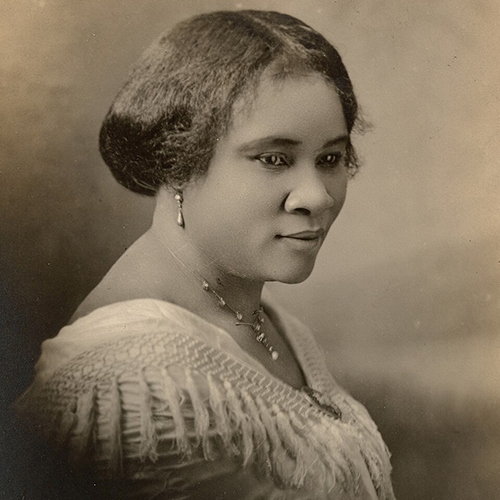
Madam C. J. Walker Builds a Business (Rebel Girls Chapter Books)
Rebel Girls and Denene Millner
Why We Picked It
Career Connection
Entrepreneurs scale businesses by hiring teams, training salespeople, and expanding into new markets, and Walker's growth from solo maker to company founder illustrates that real scaling journey.

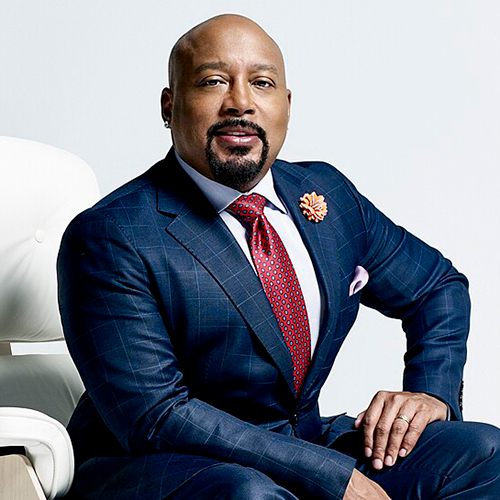
Rise and Grind: Outperform, Outwork, and Outhustle Your Way to a More Successful and Rewarding Life
Daymond John
Why We Picked It
Career Connection
Entrepreneurs succeed through daily routines and disciplined execution, not just big ideas, and this book teaches teens the same morning-to-midnight work habits that top founders follow.
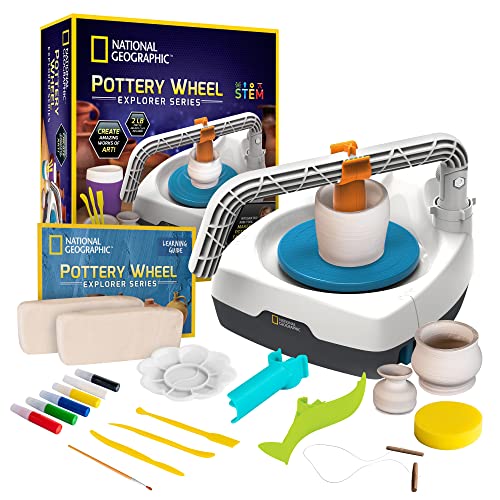
NATIONAL GEOGRAPHIC Pottery Wheel for Kids – Complete Pottery Kit for Beginners, Plug-in Motor, 2 lbs. Air Dry Clay, Sculpting Clay Tools, Apron & More, Patented Design, Craft Kit (Amazon Exclusive)
Why We Picked It
Career Connection
Artisan entrepreneurs turn handmade crafts into businesses by developing products, refining quality, and selling at markets, and this kit introduces the maker-to-seller journey from creation to display.