
Did You Know?
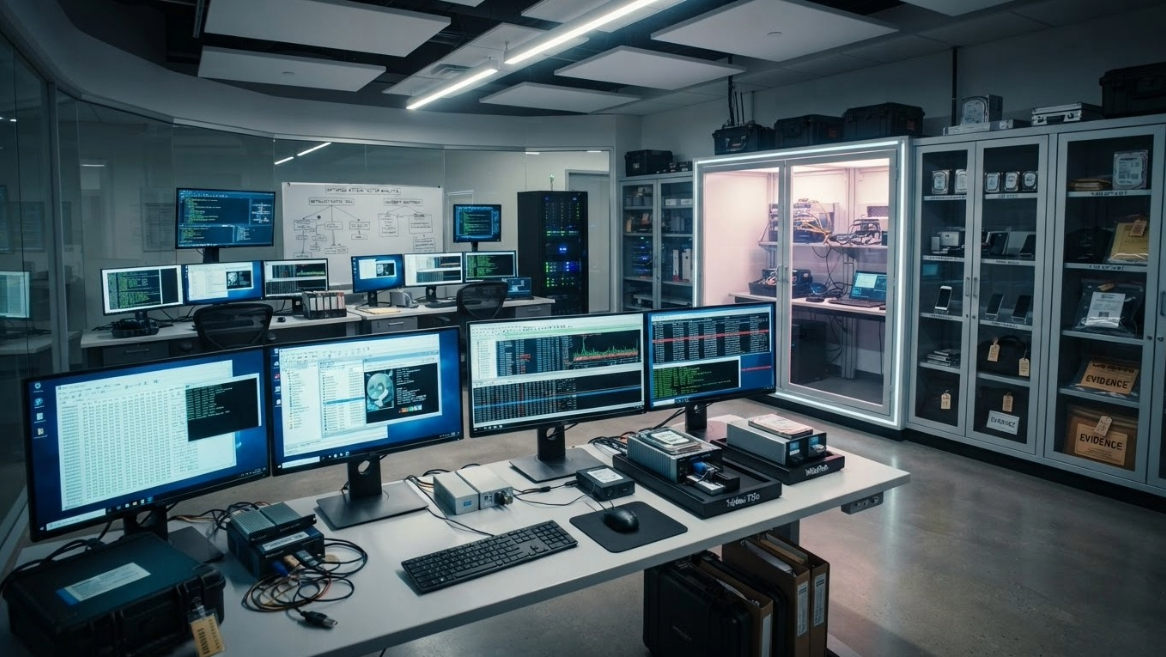
A hard drive found charred in the wreckage of the space shuttle Columbia still gave up about 99 percent of its data. Recovery experts pulled the results of a science experiment off it, and the findings were later published.
How to Get Started
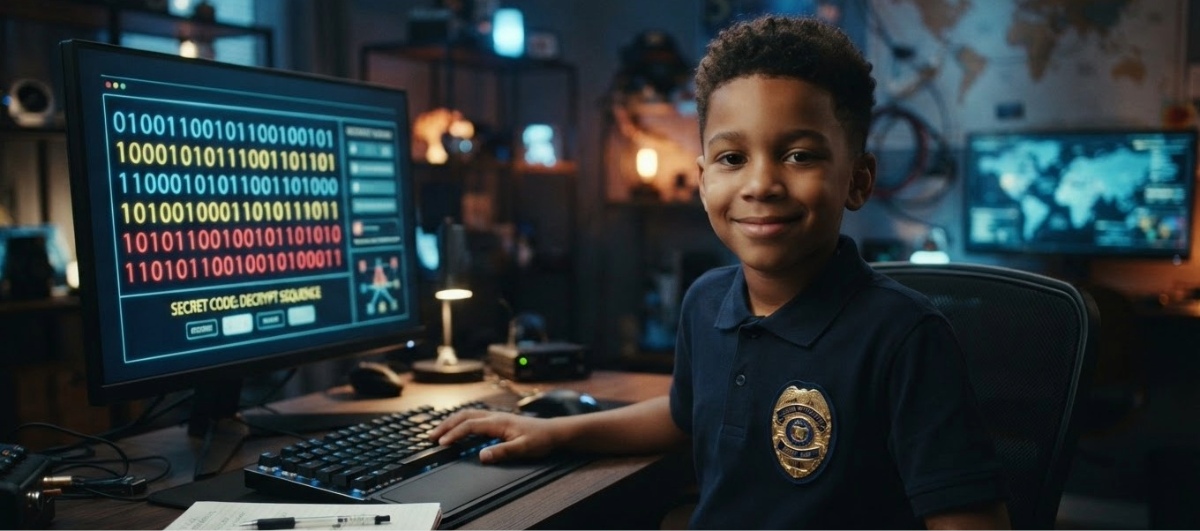
Getting started in digital forensics begins with learning how information is stored, how it can be changed, and how to show that it has not been. Building habits of keeping careful notes, working on copies, and checking claims before you trust them are all early steps. Every analyst started by getting curious about where digital information goes and how to find it again.
Explore the Basics
With a grown-up, open the information for a photo and write down three things it tells you, like the date it was taken, its size, or the kind of camera. Compare what you find with what you remember about when you took it. Digital forensics analysts read these hidden details to help work out when a file was made and whether it was changed.
Try It Out
Make a log card for one object, like a toy or a library book, with columns for who has it, the time, and what they did with it. Pass the object around your family for a day, and have each person fill in a line when they get it and when they hand it off. Analysts keep a record like this for every device they receive, called a chain of custody, so they can show that nobody changed it.
Join the Community
Ask a parent or teacher to introduce you to a school technology helper, and ask how they find a lost file and keep school computers safe. Ask what they do before they touch a device and how they keep track of whose files they are working with. Their answers will show you the careful habits that digital forensics analysts use on a bigger scale.