

Did You Know?
A cyberattack occurs somewhere in the world roughly every 39 seconds. By the time you finish reading these fun facts, several attacks will have already been launched against computer systems around the globe.
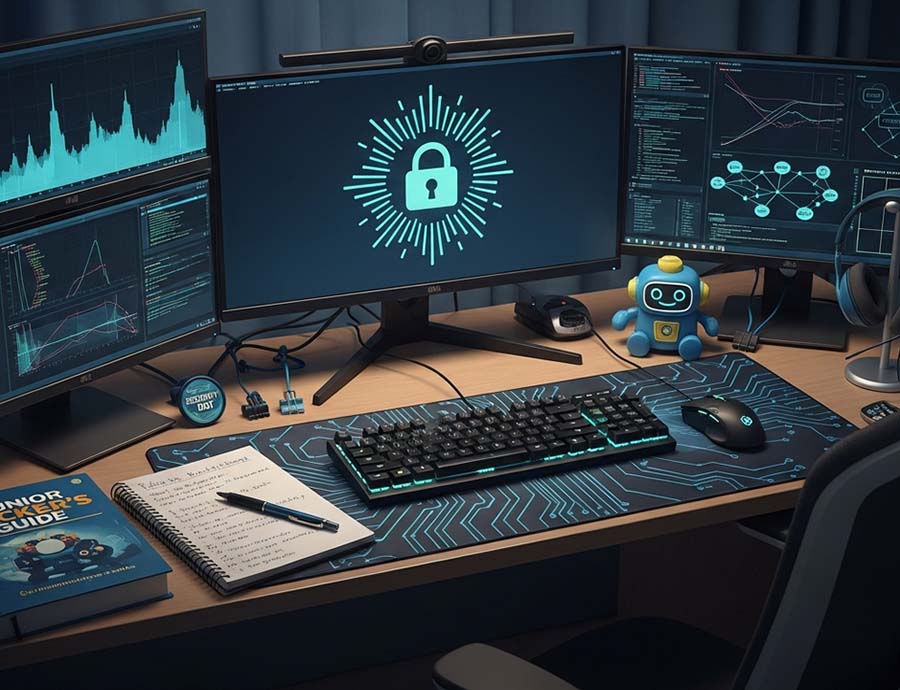
What Cybersecurity Analysts Really Do
Think about a castle with thick stone walls, a moat, a drawbridge, and guards keeping watch from every tower. Now imagine that castle is digital, built from code instead of stone, and the things inside it are people's private information, medical records, bank accounts, and secrets that need protecting. Cybersecurity analysts are the ones who design those digital defenses, patrol the walls, and fight off the attackers trying to break through. Every day, they are outsmarting some of the cleverest intruders in the world.
Cybersecurity analysts are part detective, part inventor, and part guardian. They study how hackers think so they can predict what an attacker might try next. They build systems that catch suspicious activity the way a tripwire catches a trespasser. They investigate break-ins, trace the clues, and figure out exactly how someone got in and how to make sure it never happens again. If you love cracking codes, solving mysteries, and protecting the people around you, you might already be thinking like a cybersecurity analyst.
You Might Love This If...

Skills That Follow You Everywhere
Working in cybersecurity develops skills that reach far beyond protecting computer systems. Cybersecurity analysts learn to think critically under pressure, communicate complex information clearly, and solve problems that are constantly changing shape. These abilities are valuable in any career that demands sharp thinking, calm judgment, and the ability to stay ahead of the unexpected.
Critical Thinking
Cybersecurity analysts cannot take anything at face value. Every alert, every log file, and every piece of network activity must be examined carefully to determine whether it represents a real threat or a harmless false alarm. Analysts learn to question assumptions, weigh evidence, and make decisions based on logic rather than guesswork. This kind of disciplined thinking helps cybersecurity professionals cut through noise and focus on what matters, a skill that strengthens decision-making in any career or area of life.
Problem-Solving
Cyber threats do not come with instruction manuals. When an attacker breaches a system or a new vulnerability is discovered, analysts must figure out what happened, how it happened, and how to stop it, often under intense time pressure. They learn to break complex problems into smaller pieces, test possible solutions, and adapt their approach when the first attempt does not work. This ability to stay calm and think creatively when facing unfamiliar challenges is one of the most transferable skills a person can build.
Communication
Cybersecurity analysts regularly translate highly technical findings into language that non-technical colleagues, executives, and clients can understand and act on. A vulnerability report is only useful if the people who need to respond to it can actually understand what it says. Analysts also collaborate closely with IT teams, legal departments, and leadership during incidents where clear, timely communication can mean the difference between a contained event and a full-scale crisis. Strong communication skills help cybersecurity professionals build trust, drive action, and advance into leadership roles.
Explore more resources for a future Cybersecurity Analyst

Think Fun Hacker Cybersecurity Coding Game and STEM Toy for Boys and Girls Age 10 and Up, Multicolor
Why We Picked It
Career Connection
Cybersecurity analysts write code and think in logical sequences to find and fix vulnerabilities, and this game builds the programming mindset, planning a path, anticipating outcomes, and debugging failures, in a form kids genuinely want to play.

Creative Escape Rooms Wooden Caesar Cipher Secret Decoder Wheel - 4.4" Escape Room Prop, Spy & Detective Kit Puzzle, Educational STEM Game
Why We Picked It
Career Connection
Cybersecurity analysts work with encryption every day to protect data from unauthorized access, and a Caesar cipher wheel gives young learners their first tangible, physical experience with the core idea behind all modern encryption.

Alan Turing: The Enigma: The Book That Inspired the Film The Imitation Game - Updated Edition
Hodges, Andrew
Why We Picked It
Career Connection
Cybersecurity analysts work in the field Turing founded, using the principles of cryptography and logical analysis he pioneered, and this biography reveals the mind and methods behind the profession's deepest roots.